Microsoft reveals that only 25% of teenagers identify deepfakes with the use of AI on the rise

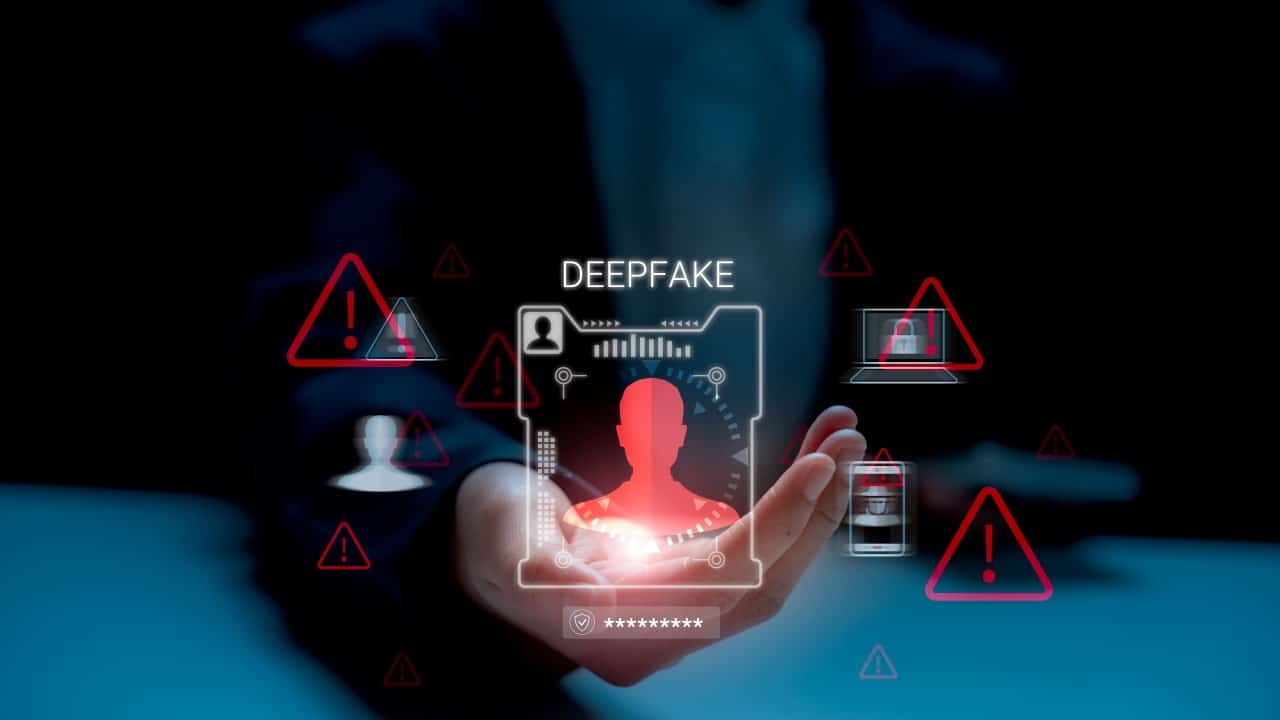
Microsoft released a global report that highlights the growing difficulty of teenagers in identifying fake content generated by artificial intelligence. The study, released on the eve of Dia of Internet Segura, shows that only 25% of young people can correctly detect deepfakes, a significant drop compared to the previous year. Essa reality occurs in parallel with the increase in the use of AI tools among teens.
The survey involved thousands of participants from different countries and reflects the current digital scenario. Young people report feeling more connected through technology, but also exposed to greater risks online. The combination of these factors reinforces the need for actions to promote internet security.
Data indicates that exposure to digital threats has increased in recent years. Adolescentes face challenges such as content manipulation and AI-facilitated fraud.
Drop in the identification of deepfakes
Teenagers are increasingly finding it difficult to distinguish authentic materials from fake materials created by artificial intelligence. The ability to recognize deepfakes fell from 46% to 25% in one year, according to the study results.
This reduction reflects the rapid advancement of content generation technologies. Vídeos, fake images and audio become more realistic, complicating verification by ordinary users.
Young people use AI more frequently, which increases exposure to these materials. Muitos report daily contact with generative tools in school or leisure activities.
Main online risks faced by young people
Teenagers report a higher incidence of digital threats in the last year. Cerca of 64% of them faced at least one online risk, with emphasis on certain specific categories.
- Hate speech, mentioned by 35% of participants;
- Online scams and fraud, cited by 29%;
- Cyberbullying, reported by 23% of young people.
These incidents affect the well-being of teenagers and create insecurity in the digital environment. The frequency of these occurrences has increased compared to previous periods.
Many young people associate part of these problems with the misuse of AI. Scams involving fake content becomes more common and sophisticated.
Significant increase in the use of generative AI
The weekly use of generative artificial intelligence tools has grown significantly among teenagers. The index jumped from low levels to 38% of respondents.
Young people use these technologies for various practical purposes. Elas help with everyday tasks and improve productivity in different contexts.
- Answers to questions, adopted by 42% of users;
- Activity planning, used by 41%;
- Improvement in work efficiency, reported by 37%.
This adoption reflects the perceived benefits of AI. However, it also increases exposure to associated risks.
Teens value interaction with these tools because they offer quick responses. Elas help with studies and personal organization in an accessible way.
Elevated concerns about AI impacts
The vast majority of teenagers express fear about the negative effects of artificial intelligence. Cerca of 91% express some level of concern about potential harm.
The main concerns involve sensitive areas of digital life. Elas include violations that directly affect personal safety.
Risks such as sexual exploitation or abuse lead the mentions, with 78% of young people citing this threat. AI-based Fraudes appear next, worrying 77% of participants. Violações of privacy complete the main group, with 70% adherence.
These concerns demonstrate growing awareness about the limits of technology. Teenagers recognize tradeoffs between benefits and dangers.
Many highlight the need for additional protections. Eles expect measures from companies to restrict illegal or harmful content.
Resilience demonstrated by teenagers
Young people show greater willingness to deal with risky situations online. Setenta and two percent of them talked to someone after facing a digital threat.
These conversations usually occur with parents, friends or teachers. Elas help you process negative experiences and seek guidance.
Reporting rates for inappropriate content also increased for the second year in a row. Aproximadamente 75% took protective actions, such as blocking users or closing accounts.
This posture indicates the development of coping mechanisms. Adolescentes seek support to mitigate incident impacts.
Protective measures requested
Teenagers defend stricter restrictions on technology platforms. Cerca 81% expect companies to limit illegal and harmful content.
The most desired protections include specific filters for certain types of material. Elas aim to create more controlled environments.
- Filtering sexual content;
- Limiting messages to known contacts.
These demands reflect the perception of current vulnerability. Jovens want tools that facilitate control over interactions.
Companies are under pressure to implement safety by design. Essa approach integrates security from product development.
Initiatives to promote digital security
Microsoft reinforces protection mechanisms in response to identified risks. The company develops tools on platforms such as Windows and Xbox for greater parental control.
Educational programs are highlighted in the company’s actions. Eles promote responsible habits among young users.
Future of AI Youth Council brings teens together for direct feedback. Participantes from different regions contribute perspectives on emerging technologies.
Partnerships with specialized organizations expand the reach of initiatives. Elas focus on education about safe use of AI companions.
Materials such as series on Minecraft Education cover topics such as online recruitment. Esses features reach millions of users around the world.
The combination of technology, policies and education forms the basis of strategies. Elas seek to strengthen young people’s digital resilience.
Evolution of risks in the digital environment
The online scenario becomes more complex with the advancement of artificial intelligence. Riscos evolve quickly, requiring constant adaptations to defenses.
Teenagers feel productive thanks to technology, but less secure. Essa duality marks the current experience of the connected generation.
Annual studies track these changes over time. Eles provide a basis for targeted security interventions.
The survey covers multiple countries and thousands of respondents. Seus findings guide global actions to protect users.