Rare infection transmitted by dog saliva results in amputation of woman’s limbs in England
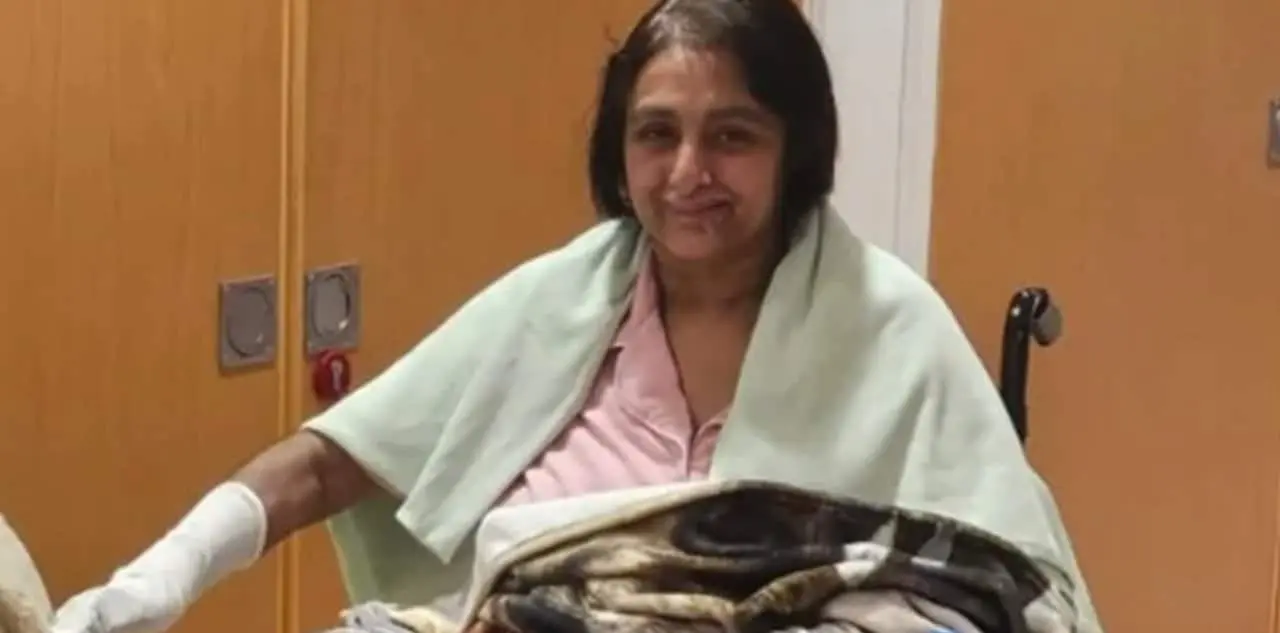
A complex medical case recorded in Birmingham, on Inglaterra, caught the attention of experts and the local community after a 56-year-old woman suffered devastating consequences due to a widespread infection. Manjit Sangha, a former pharmaceutical sector employee, had both legs and both hands amputated after contracting sepsis, a condition that doctors associated with everyday interaction with her pet. The episode, which began in July 2025, highlights the potential risks of bacteria present in animal saliva when in contact with human wounds.
The evolution of the clinical picture was described as abrupt and aggressive. Manjit returned from work feeling unspecific, which quickly progressed to a medical emergency. In a matter of hours, the patient went from a state of full consciousness to a situation of imminent risk of death, requiring immediate intervention from emergency teams.
The victim’s husband, Kam Sangha, aged 60, found his wife unconscious on the sofa at the couple’s residence the day after the first symptoms. Sinais alarming physical appearances were already visible, including the bluish color on the lips and the extreme cooling of the extremities, indicative of severe peripheral circulatory failure.
Rapid evolution of symptoms and hospitalization
After emergency services were called, Manjit was transported to Hospital New Cross, where the medical team noted the accelerated deterioration of her vital signs. The seriousness of the situation forced specialists to induce a coma immediately, aiming to stabilize the body and allow intensive therapy to begin to combat the infectious agent that was spreading through the bloodstream.
During the critical period in Unidade to Terapia Intensiva, the patient faced severe hemodynamic instability, suffering six cardiac arrests. The clinical team maintained cautious prognoses, preparing the family for the worst-case scenario, given the aggressiveness of the body’s inflammatory response and the compromise of multiple vital organs.
Diagnosis of sepsis and bond with domestic animals
The clinical investigation concluded that Manjit developed severe sepsis. Esta condition occurs when the immune system reacts disproportionately to an infection, starting to attack the body’s own tissues and organs. The diagnosis pointed to an external bacterial origin.
Experts identified that the entry point for the bacteria was probably a small cut or scratch on the patient’s skin, which came into contact with her dog’s saliva. Bactérias that make up the natural oral flora of canines may be harmless to animals, but potentially pathogenic to humans when they access the deep bloodstream.
The case serves as an important clinical record on the need for rigorous hygiene of wounds, even superficial ones, especially in environments where there is close contact with domestic animals. Zoonotic transmission, although rare in extreme severity, is a risk factor considered in infectious medicine.
Systemic complications and surgical need
The persistence of the infectious condition triggered a hematological complication known as Coagulação Intravascular Disseminada (DIC). Nesta condition, small blood clots form throughout the vascular network, blocking the flow of blood and oxygen to the extremities and organs. Como direct consequence of prolonged ischemia, the tissues of Manjit’s hands and feet suffered irreversible necrosis. Para To preserve the patient’s life and prevent the progression of gangrene, the surgical team amputated both legs below the knee and both hands. Adicionalmente, it was necessary to remove the spleen, an organ that was also compromised during the fight against infection and secondary complications such as pneumonia.
Rehabilitation and adaptation process
After 32 weeks of hospital stay, Manjit was discharged and began the complex process of reintegration into the home environment. The new physical reality imposed significant mobility and autonomy challenges, requiring structural adaptations to the residence and continuous support from family members for basic daily activities.
The family organized campaigns to raise funds for the purchase of high-tech prosthetics. The objective is to obtain functional robotic hands that allow the patient to regain some of the lost independence, facilitating tasks that were previously automatic and now represent daily barriers.
The recovery plan also includes an intense schedule of physiotherapy and psychological support. Mental health support has been fundamental in helping Manjit deal with the mourning of the loss of limbs and adapting to his new physical and social condition.
Despite severe physical limitations, the patient expressed a desire to return to the job market. Her determination to resume her professional routine is cited by her husband as an example of resilience, contrary to initial expectations of a recovery limited to the home environment.
Search for autonomy and medical alert
Manjit Sangha’s experience became a public health warning about the dangers of sepsis and the importance of early recognition of symptoms. The condition is a medical emergency that requires rapid treatment to avoid permanent sequelae or death. Sinais alert include:
- High fever or sudden hypothermia;
- Mental confusion and speech difficulties;
- Extreme muscle pain and shortness of breath;
- Blemished or discolored skin.
Manjit emphasizes that the severity of sepsis should not be underestimated and that seeking immediate medical attention at the slightest sign of an atypical infection is crucial. Sua trajetória de sobrevivência e adaptação continua sendo monitorada, enquanto ela aguarda a possibilidade de reabilitação com o uso das próteses bicitadas.