Toyota presents RAV4 PHEV equipped to generate domestic energy for up to a week in critical situations
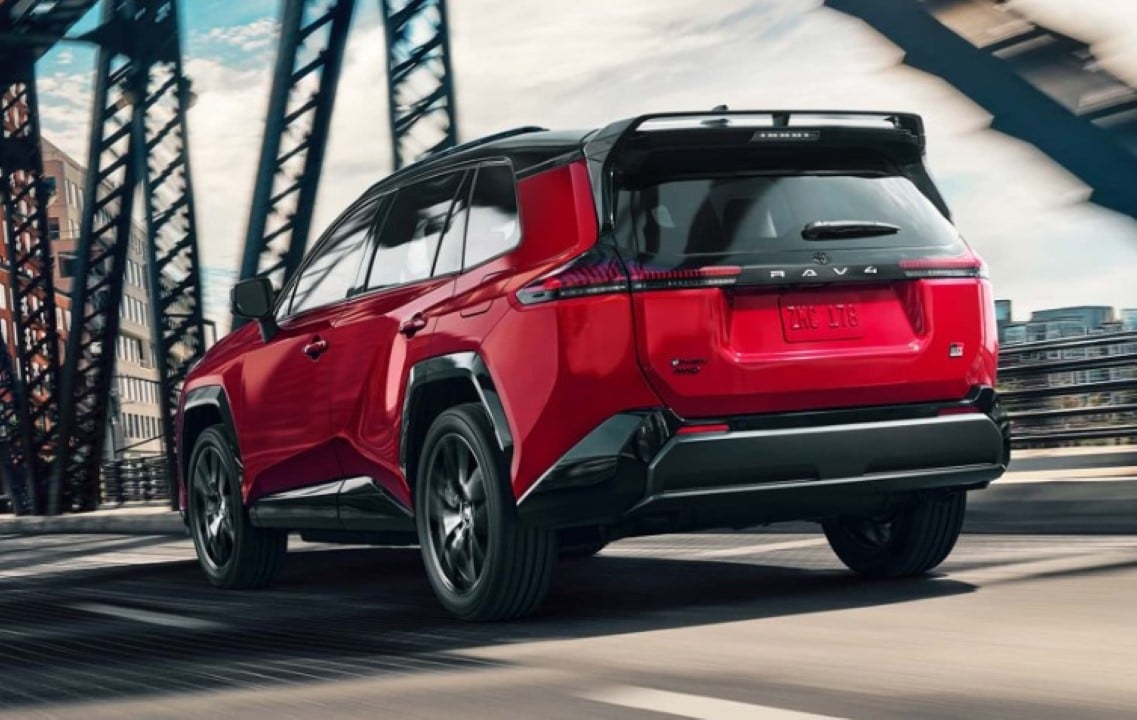
Toyota released details about the new RAV4 PHEV, which includes a power supply mode capable of keeping a home running during periods of interruption in the electricity supply. Esse feature, available on the Japanese market, uses the battery and fuel tank to generate electricity, meeting basic needs in emergency scenarios.
The system operates with a standard 100 volt outlet, common on the Japão, and can deliver up to 1.5 kW of power. With this configuration, the vehicle supplies an average consumption of 400 watts, which corresponds to typical use in Japanese homes for essential appliances.
This innovation positions the RAV4 PHEV as a practical option for regions prone to natural disasters, where power outages are frequent. The automaker emphasizes the usefulness of the mode in real situations, such as earthquakes or typhoons, which affect the electrical supply.
Power system technical details
HV power supply mode allows the RAV4 PHEV to function as a source of vehicular electricity for homes. Ele coordinates the plug-in hybrid battery with the combustion engine to optimize operating time.
With the battery fully charged and the tank full, the vehicle maintains supply for approximately 6.5 days in standard mode. Já in priority supply time mode, this duration extends to seven days, prioritizing energy efficiency.
Comparison with similar technologies
Vehicles with vehicle-to-home or vehicle-to-load functions already exist in other models, but the RAV4 PHEV stands out for its prolonged autonomy at low power. For example, electric pickup trucks offer higher outputs, but with shorter durations under intense use.
Toyota adapted the system to Japanese standards, which limits its direct application in other countries with different voltages. Ainda thus, the approach demonstrates advances in the integration of vehicular energy with home networks.
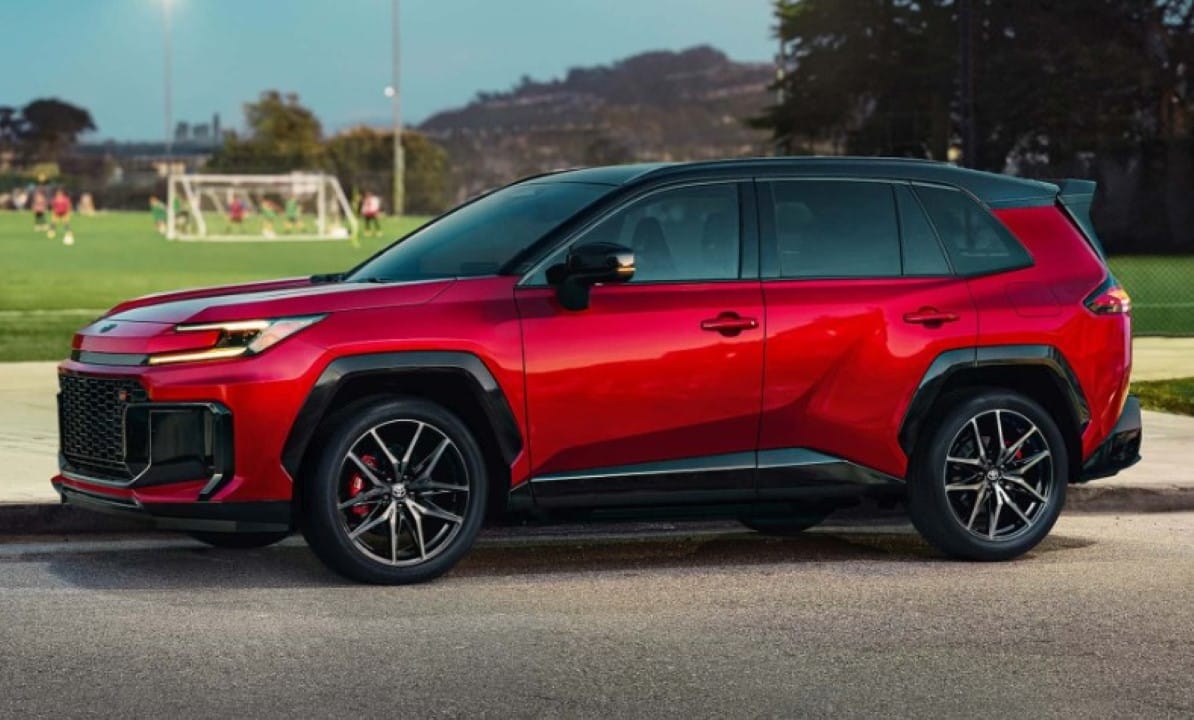
Availability and international markets
The feature is integrated into the Japanese version of the RAV4 PHEV, recently launched with updates in the 2026 line. The automaker has not confirmed plans to export this functionality to markets such as Estados Unidos or Canadá.
In regions like América of Norte, the focus remains on hybrid performance and electric range, with no mention of residential supply capabilities. Essa difference reflects local adaptations to consumer demands and electrical regulations.
Experts indicate that future expansions depend on testing and regulatory approvals. Enquanto Therefore, the Japanese model serves as a reference for innovations in sustainable mobility.
Advantages for users in risk areas
Homeowners in areas subject to electrical outages directly benefit from this technology. The RAV4 PHEV becomes a mobile power reserve, supplying items such as lighting, refrigeration and communications.
Furthermore, integration with the hybrid system ensures silent operation in initial electric mode, reducing noise during night use. Essa feature improves comfort in prolonged power outages.
Vehicle maintenance remains simple, with recharging via conventional sockets or quick stations. Usuários report ease of activating the mode, which only requires standard connections.
Updated RAV4 PHEV Specifications
The 2026 model brings a combined power of up to 320 horsepower, combining combustion and electric engines for efficient performance. The range in purely electric mode reaches around 80 kilometers, higher than the previous generation.
Other updates include trims like GR Sport, with sporty elements and tuned suspension. Esses enhancements aim to attract consumers interested in versatility beyond daily transportation.
The exterior design maintains robust lines, with color and wheel options that emphasize the SUV character. Internamente, the digital dashboard and connected infotainment systems elevate the user experience.
Safety innovations, such as braking assistants and lane monitoring, complement the package. Esses features ensure compliance with global vehicle protection standards.
Integration with domestic infrastructure
To utilize the power supply, users connect the vehicle directly to the home network via compatible adapters. The process is monitored by the Toyota application, which displays battery levels and consumption in real time.
This connectivity allows advance planning for weather alerts, charging the vehicle in advance. Compatibility with residential solar panels expands the possibilities for sustainable use.
Practical applications in emergencies
In the event of a disaster, the RAV4 PHEV meets critical needs, such as charging medical devices or keeping food refrigerated. Autoridades Japanese companies encourage vehicles with these capabilities for community contingency plans.
Studies show that homes equipped with vehicle backups reduce the impacts of prolonged blackouts. Essa trend gains strength with the increase in extreme weather events globally.
Evolution of the RAV4 line
Since its launch, the RAV4 has evolved from a compact SUV to an advanced hybrid, incorporating progressive electrification technologies. The PHEV version represents the culmination of this trajectory, combining efficiency and expanded utility.
Annual updates keep the model competitive against rivals such as the Honda CR-V and Ford Escape. Toyota invests in research to refine these systems, aiming for reductions in emissions and operating costs.
Prospects for global expansion
Although restricted to Japão currently, the power supply feature may influence future developments in other markets. The Toyota evaluates adaptations for voltages of 120 volts, common in Américas and Europa.
Partnerships with energy suppliers accelerate compatibility testing. Consumidores in dense urban areas, where blackouts occur due to overload, show increasing interest in this functionality.
The automaker prioritizes feedback from Japanese users for refinements. Esses data guides decisions about international launches, balancing innovation with economic viability.
Environmental benefits of hybrid use
The RAV4 PHEV reduces dependence on diesel generators in emergencies, reducing local emissions. Seu hybrid system optimizes fuel, promoting more ecological practices in crisis scenarios.
Government incentives in Japão subsidize vehicles with V2H capabilities, encouraging adoption. Essa policy aligns with national energy resilience and sustainability goals.
Settings available in the template
The RAV4 PHEV offers variants such as the XSE and Woodland, each with specific equipment packages. Opções include all-wheel drive and higher capacity batteries for extended range.
Prices on the Japão vary by trim, with power mode accessories sold separately. Revendedores provide training to maximize the use of the resource.
Impact on the automotive market
The introduction of this system positions Toyota as a leader in multifunctional hybrid utility vehicles. Concorrentes accelerate similar developments, pushing the industry towards vehicles that are more integrated into everyday life.
Analysts predict growth in sales of PHEVs with energy features, especially in regions with electrical instability. Essa trend reflects demands for resilient mobility.
The RAV4 PHEV exemplifies how vehicular innovations transcend transportation, contributing to domestic solutions. Sua adoption in Japão tests feasibility for larger scales.