BYD intensifies competition in Japan with new hybrid SUV with 1200 km of range and competitive price
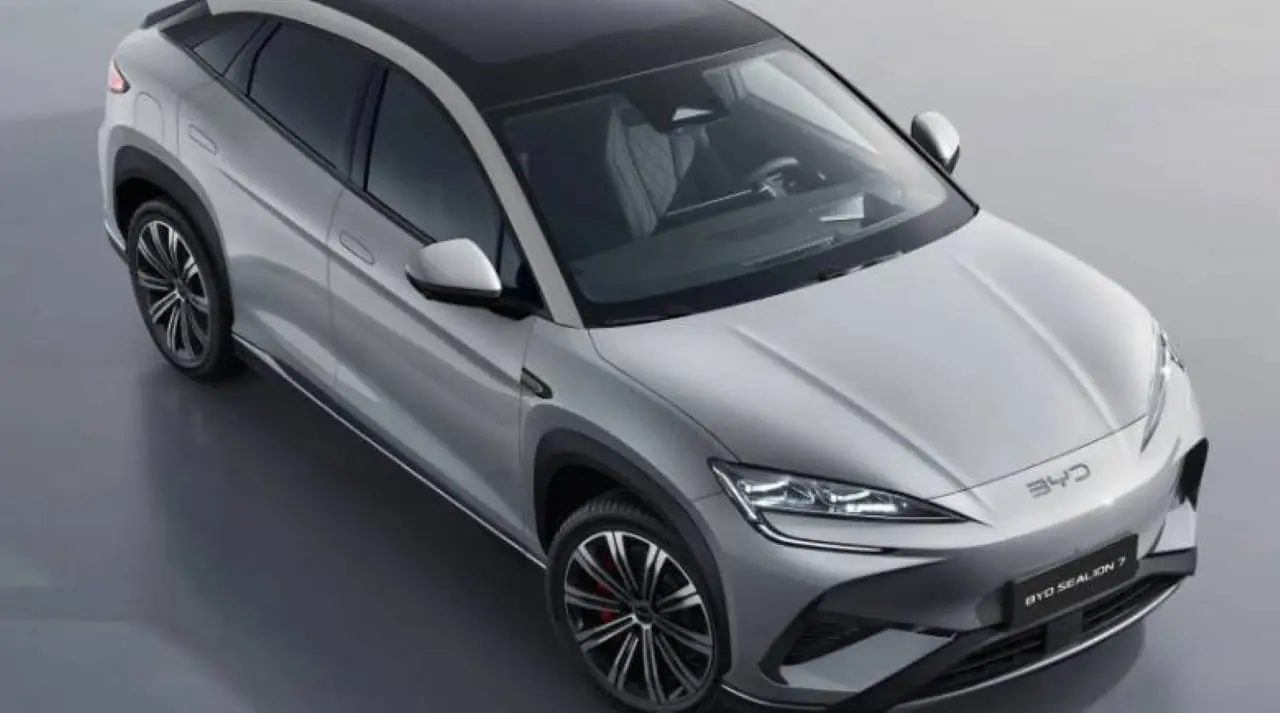
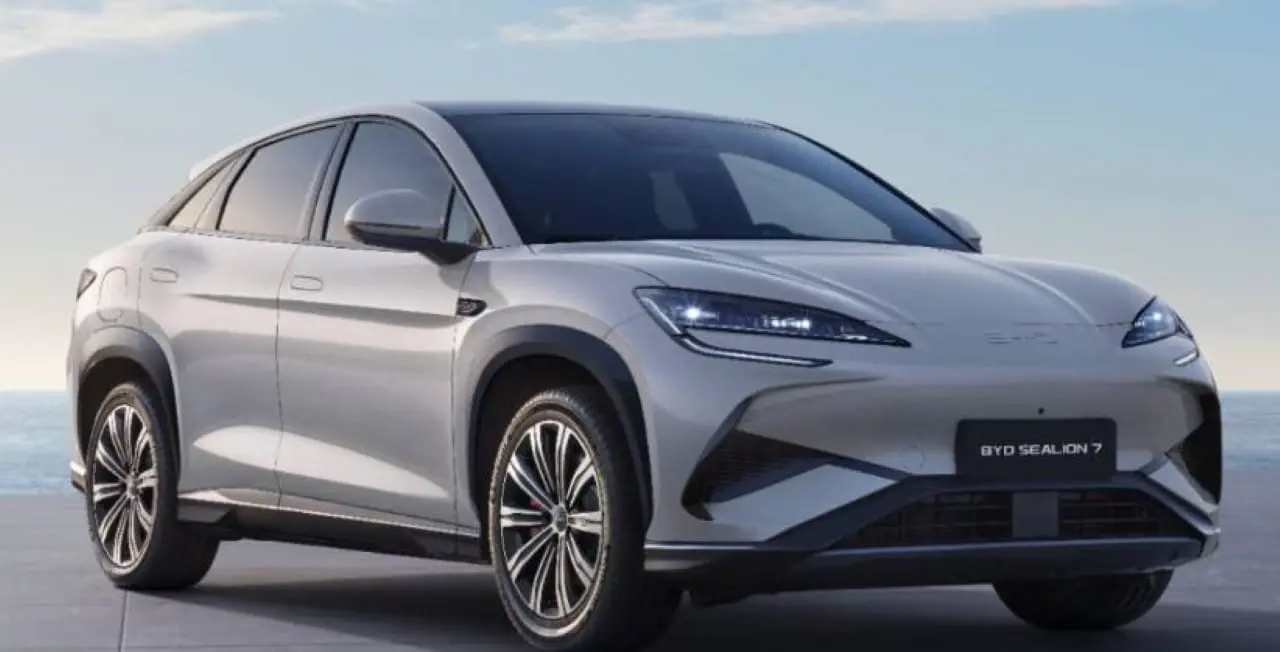
Chinese automaker BYD has significantly expanded its presence in the demanding Japanese market with the introduction of the Sealion 6, a sports utility vehicle that marks the company’s entry into the plug-in hybrid vehicle segment in the region. The model arrives as a strategic alternative to the purely electric vehicles already sold by the brand, such as the Atto 3 and the Dolphin, aiming to attract consumers who still seek the safety of a combustion engine combined with electrical efficiency. The company’s aggressive strategy focuses on offering cutting-edge technology at a considerably lower price than established local rivals.
The highlight of the new SUV lies in its mechanical package, which integrates a 1.5-liter gasoline engine with a powerful electrical system, providing a combined range that can reach 1,200 kilometers with a full tank and charged battery. Essa feature directly addresses range anxiety, one of the main obstacles to mass adoption of electrified vehicles, enabling long-distance travel without the need for frequent stops for recharging or fueling.
In purely electric mode, the vehicle is capable of covering around 100 kilometers, a distance sufficient to cover most daily urban journeys without emitting pollutants. Deliveries of the first units were scheduled for the beginning of January, consolidating the brand’s launch calendar for the current fiscal year and reinforcing the commitment to compete for technological leadership in the Ásia.
DM-i technology and energy efficiency
BYD’s proprietary hybrid system, called DM-i, operates by prioritizing electric traction in most driving situations, using the combustion engine mainly as an energy generator for the 18.3 kWh battery. Essa configuration allows the vehicle to maintain an immediate and linear acceleration response, typical of electric cars, while optimizing fossil fuel consumption. Applied engineering seeks to maximize the engine’s thermal efficiency, ensuring that it operates in ideal speed ranges.
In addition to efficiency, the model offers versatility with the charging system, allowing owners to use battery power to power external devices, a function known as V2L. The front-wheel drive version delivers robust combined power, while an all-wheel drive variant is scheduled to hit the market in March, adding an extra engine to the rear axle to improve performance in difficult terrain and adverse weather conditions, common in several regions of the Japanese archipelago.
Market positioning and competition
The pricing of the Sealion 6 was set to directly challenge Japanese automakers, with the starting value set at 3.98 million yen, which puts it in an extremely advantageous position compared to direct competitors. Similar Modelos from traditional brands, such as the Toyota Harrier PHEV and the Mitsubishi Outlander PHEV, have significantly higher starting prices, often exceeding the 5 million yen barrier, which makes the Chinese option financially attractive for families and fleet managers.
Automotive sector analysts point out that this price difference, combined with a generous standard equipment package, is BYD’s main weapon to break Japanese consumers’ loyalty to domestic brands. The vehicle is equipped with advanced driving assistance features and a spacious interior, comparable to vehicles in higher segments, offering a cost-benefit ratio that is difficult to ignore in the current economic scenario.
The introduction of this plug-in hybrid model signals a pragmatic adaptation by BYD, recognizing that the transition to full electrification occurs at different paces depending on the region. By offering a solution that combines the best of both worlds, the company hopes to capture market share from those who want green technology but are not yet ready to switch 100% to pure electric due to charging infrastructure or driving habits.
Design and internal comfort
The interior of the Sealion 6 is designed to offer a complete digital experience, centered on a large rotating screen that controls most of the vehicle’s functions, from navigation to entertainment. The finish uses soft-touch materials and ergonomic design, seeking to convey a feeling of premium quality that rivals European and Japanese luxury brands. The internal space is optimized by the dedicated platform, ensuring comfort for five occupants and adequate load capacity for family trips.
Externally, the vehicle adopts the brand’s oceanic visual language, with fluid and aerodynamic lines that not only improve aesthetics, but also contribute to reducing drag and, consequently, fuel economy. The LED light signature and alloy wheels complement the modern look, designed to attract a young, connected audience that values both sustainability and style.