FC Tokyo and Sfida Setagaya confirm full integration of women’s teams for the 2027 season
The boards of FC Tokyo and Sfida Setagaya FC formalized, this week, a basic agreement aimed at the complete integration of their women’s football operations. The strategic move’s main objective is to create a sporting powerhouse in the Japanese capital, combining the infrastructure of a J1 League club with the tradition and talent of a consolidated team in the women’s scene. The merger of activities is scheduled to take place from the 2027 season onwards, marking a new chapter for the sport in the region.
The joint statement highlights that the partnership seeks to establish a world-class structure, capable of competing at the highest level of national football. The initiative aims to not only strengthen the main team, but also solidify the youth categories and athlete training, ensuring the long-term sustainability of the project. The union of financial resources and technical knowledge is seen as the most viable way to reach the elite of the sport in Japão.
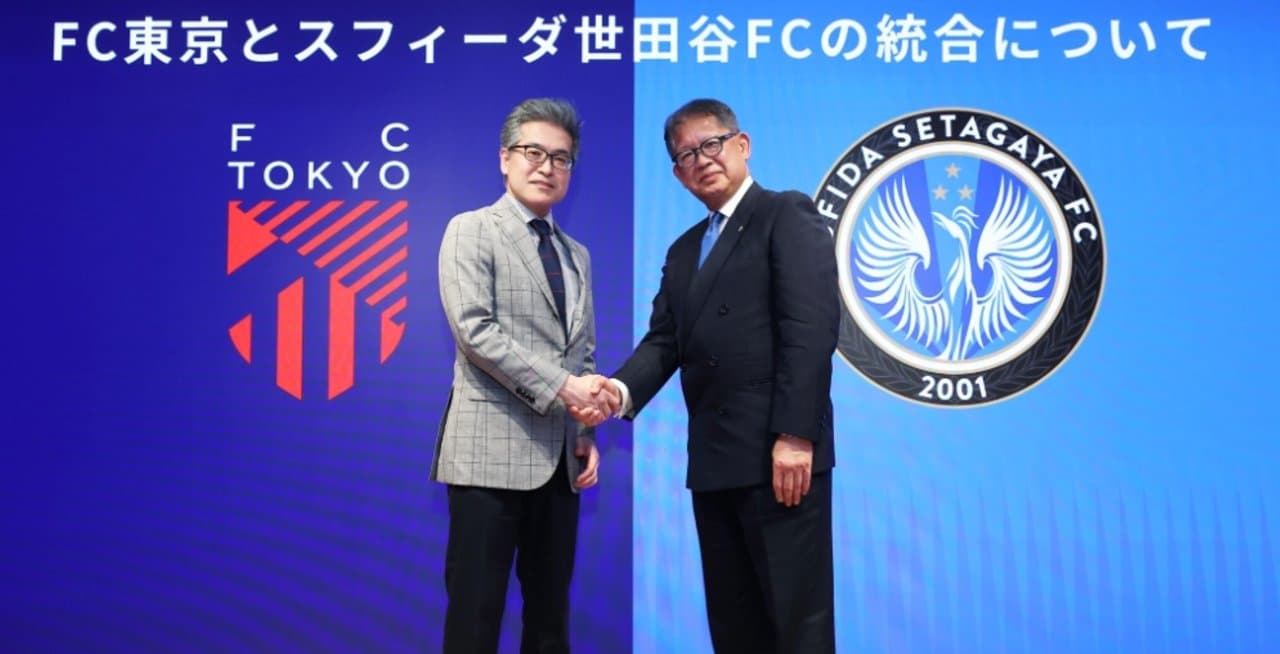
For the managers involved, collaboration represents a unique opportunity to maximize the potential of both organizations. Enquanto FC Tokyo contributes its brand strength and investment capacity, Sfida Setagaya contributes its expertise in player development and its loyal fan base. The expectation is that this symbiosis will result in a competitive team capable of claiming titles and representing Tóquio with prominence.
The decision reflects a global trend of large men’s clubs investing heavily in women’s departments, seeking equity and market expansion. In the Japanese context, the measure is seen as an essential step towards future entry into WE League, the country’s professional women’s football league, which requires strict governance criteria and organizational structure.
Strategies for developing the new team
The integration plan detailed by the associations envisages the unification of the brands under the FC Tokyo identity, aiming to create a comprehensive feeling of belonging in the capital. The goal is to establish the club as an absolute reference, not only in terms of results on the field, but also as a model for sports management. The combination of tangible assets, such as training centers, and intangible assets, such as the fan base, is the central pillar of this strategy.
Within the established schedule, the initial priority will be the harmonization of technical and administrative departments. Isso includes the evaluation of squads, the definition of technical committees and the restructuring of training categories. The objective is to create a talent production line that can supply the first team, reducing the need for external hires and strengthening the club’s local identity.
The management of the new project will also focus on fundraising and exclusive sponsorships for the women’s sport. With the increased visibility of the FC Tokyo brand, it is expected to attract commercial partners interested in associating its image with the growth of sport among women. Esse financial support will be crucial to maintain competitiveness and offer excellent working conditions for athletes.
Impact on WE League and on the national scene
The merger between the two entities is being closely watched by the Japanese sports market, as it signals the emergence of a new major competitor. WE League, created to professionalize women’s football in the Japão, has sought to raise the technical level and commercial attractiveness of the championship. The entry of a club with the support of FC Tokyo perfectly aligns with these objectives, bringing more visibility and rivalry to the competition.
Experts point out that the movement follows successful examples seen in Europa and Estados Unidos, where the integration between men’s and women’s clubs generated exponential growth in audience and revenue. By adopting this model, the project aims to accelerate the development of women’s football in Tóquio, offering a robust platform for players to play their best football.
In addition to the competitive aspect, the initiative has a strong social and cultural bias. The intention is to use sport as a tool for empowerment and inclusion, inspiring a new generation of girls to play football. The creation of local idols and the promotion of community events will be part of the club’s agenda, reinforcing its bond with the city and its inhabitants.
Transition schedule and identity maintenance
Despite the announcement, practical changes will follow a cautious schedule to ensure a smooth transition. Durante the 2026 season, teams will continue to operate with their current identities, fulfilling their commitments in their respective leagues. Esse period will be used for detailed planning of the merger, avoiding sudden ruptures that could harm sporting performance or relationships with fans.
The board assured that the legacy of Sfida Setagaya will be respected and integrated into the new structure. The club’s history and achievements will serve as the foundation for the new phase, ensuring that the tradition built over the years is not lost. Communication with fans will be constant, seeking transparency at each stage of the unification process.
From 2027, the new structure will come into full force. Jogadoras, technical committee and administrative staff will begin to operate under the new guideline, with unified uniforms and symbols. The expectation is that, in the first season after the merger, the team will demonstrate the results of this planning on the field, fighting for the top positions and consolidating its presence in the elite of Japanese football.