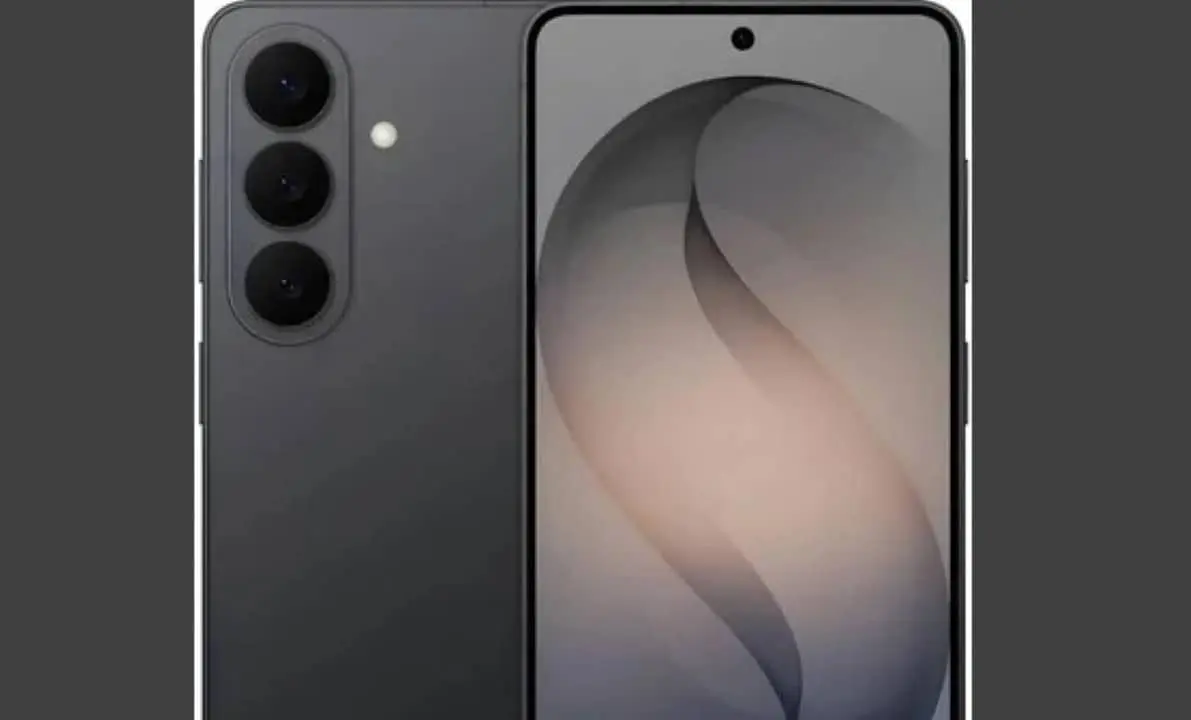
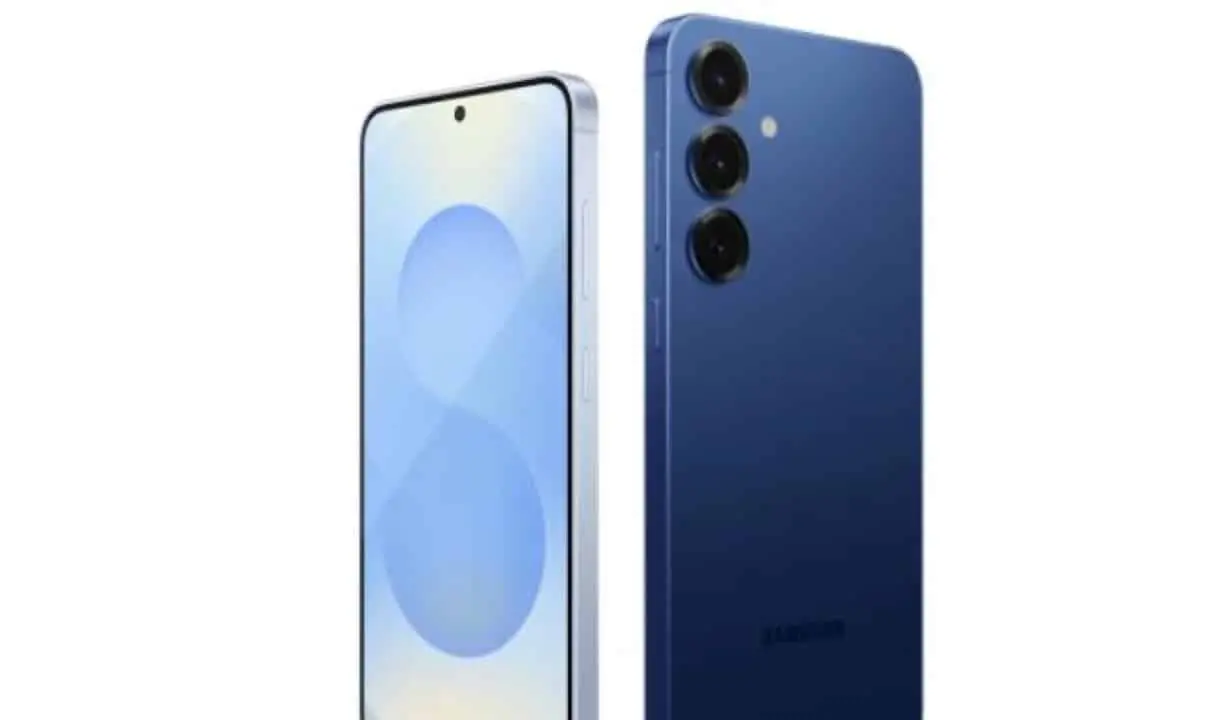
New data from the European Union anticipates Galaxy A57 with water resistance and long battery life
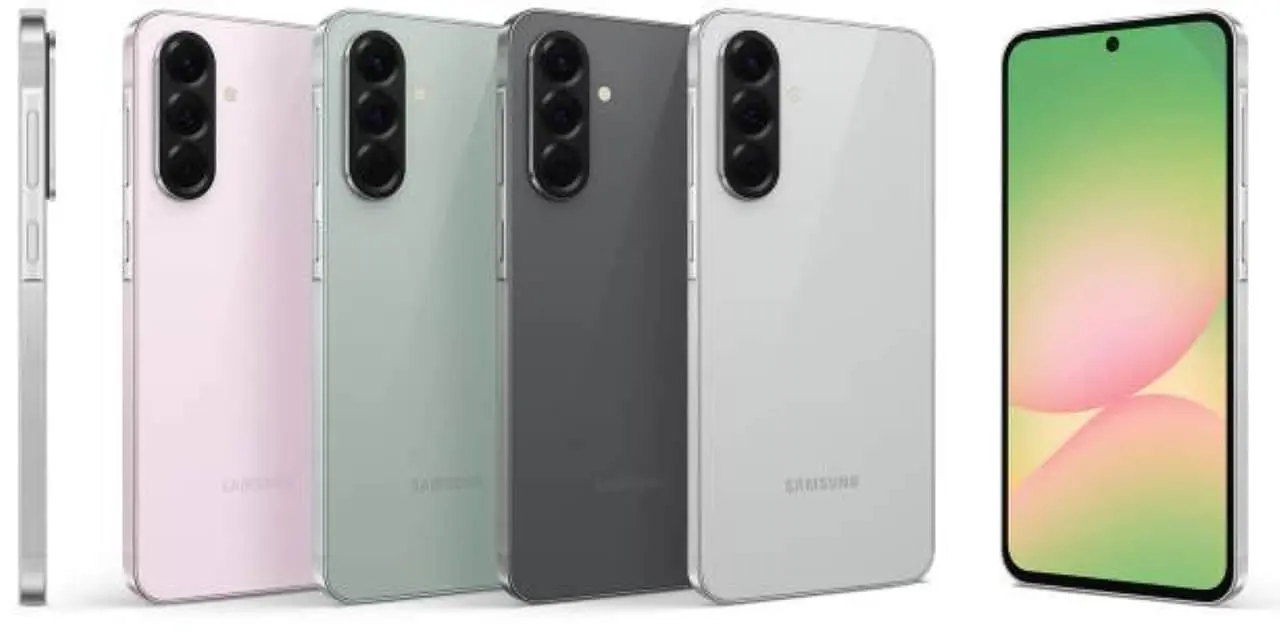
Recent records included in the União Europeia energy labeling database have brought to light detailed technical specifications on the upcoming Samsung launches for the mid-range market. The official documentation exposes new features of the Galaxy A57 and Galaxy A37 models, confirming the South Korean manufacturer’s strategy focused on increasing the durability of its devices in 2026. The information anticipates features that bring the mid-range line closer to the specifications generally found in premium devices.
The validation of this data by European regulatory bodies reinforces the existence of the products and details improvements in construction and energy management. In a scenario where the smartphone market shows signs of saturation, the focus on physical resistance and technical transparency emerges as a competitive differentiator. The documents list crucial points that define the new generation:
Samsung Galaxy A57 & A37 to launch in March:
Galaxy A57:
• 6.6” 120hz FHD+ flat AMOLED
• Exynos 1680 , UFS 3.1
• 5000mAh + 45W
• 50MP OIS main+ 12MP UW+ 5MP macro
• 12MP front
• 6.9mm | 182 grams
• IP68, Android 16Galaxy A37:
• 6.7″ FHD+ 120hz AMOLED
• Exynos 1480…pic.twitter.com/PDiPpcl7GC—Sanju Choudhary (@saaaanjjjuuu)February 19, 2026
– Certificação advanced against external elements;
– Baterias standardized high capacity;
– Protocolos more rigorous drop testing.
Advances in protection and physical structure
The regulatory documentation highlights a significant evolution in protection against external agents for the intermediate segment. The Galaxy A57 will be sold with IP68 certification, surpassing the IP67 standard of previous versions. Esta classification ensures that the device withstands submersion in fresh water at greater depths and for a longer time, in addition to ensuring complete sealing against the ingress of dust, increasing the reliability of the device in adverse situations.
In physical integrity tests, the reports point to clear distinctions between the two models analyzed. The Galaxy A57 achieved an A rating in drop tests, which indicates a reinforced structure prepared to absorb accidental impacts with greater efficiency. On the other hand, the Galaxy A37 obtained a grade of B in the same category, indicating a slightly inferior construction in terms of resistance to mechanical shocks, although it maintains the same IP68 protection against liquids and solid waste.
Energy efficiency and new testing standards
Autonomy continues to be a decisive factor for consumers and the new records confirm 5,000 mAh batteries for both devices. Curiosamente, the Galaxy A37 performed slightly better in duration tests, reaching up to 53 hours of continuous use. The most advanced model, Galaxy A57, recorded 52 hours under the same conditions, a marginal difference that can be justified by the consumption of other more powerful internal components.
A point of attention in the documents refers to the useful life of the energy cells. The União Europeia set durability at 1,200 charge cycles before capacity drops to 80%, a number lower than the 2,000 cycles cited in past generations. Essa change reflects the adoption of more rigorous and realistic testing methodologies by the economic bloc, aiming to provide the consumer with a more accurate estimate of the natural wear of the component over time.
Maintainability and arrival forecast
The repairability index, a fundamental criterion in European right-to-repair standards, classified both smartphones with a grade of C. The score indicates that the internal structure of the devices has moderate to high complexity, often due to the use of adhesives and seals necessary to guarantee IP68 certification. Isso suggests that physical repairs, such as screen or battery replacements, will continue to require specialized labor and specific tools.
With the official release of these technical data, the market awaits the formal announcement of the products, historically scheduled for March 2026. The Samsung should position the The combination of rugged hardware and extended software support aims to meet the demands for sustainability and durability demanded by both regulators and users.