Who was Ayatollah Ali Khamenei: power, extremism and the influence of the Iranian supreme leader
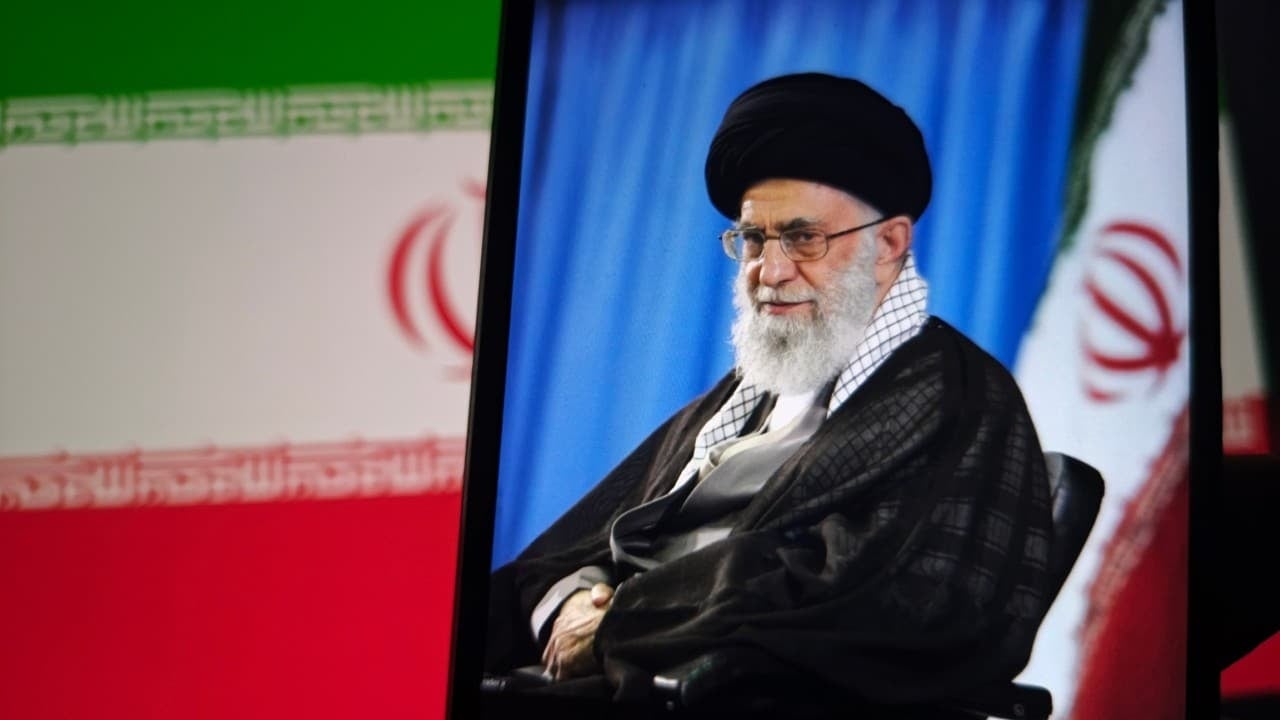
Ayatollah Sua’s rise to power, following the death of Ayatollah The complex web of his trajectory ranges from years of activism against the Xá regime to decades of leadership in a country often under intense international pressure, shaping not only the destiny of Irã, but also the balance of power throughout Oriente Médio, with visible reflections in geopolitical disputes and relations with world powers.
Over more than three decades, Khamenei has been the architect of Iranian politics, navigating internal crises, regional clashes and severe economic sanctions, always with a stance of resilience and defiance to external pressures. The Sua figure is central to understanding the persistence of the Iranian theocratic model and its ability to influence events from the Líbano to the Iêmen, through a network of regional allies and proxies.
Analysis of his path offers insights into the evolution of the post-revolutionary Iranian state and the complexity of a regime that balances religious faith with the demands of modern politics and the aspirations of a diverse and, at times, discontented population.
Trajectory Inicial and Compromisso Revolucionário
Ali Khamenei was born in Mashhad, in the northeast of Irã, in 1939, into a clerical family with Azerbaijani roots. Desde early on, he dedicated himself to religious studies, attending the seminars of Mashhad and, later, the renowned school of Qom, one of the most important centers of Shiism. Foi in Qom that Khamenei became close to Ayatollah
His passion for political activism and his conviction that clergy should play an active role in society led him to fervently engage in the revolutionary movement. Khamenei was a vocal critic of the secular regime of Xá Mohammad Reza Pahlavi, which cost him several arrests and even exile. Ele faced repression from SAVAK, the secret police of Xá, for his preaching and militancy, but he remained firm in his opposition, helping to organize the foundations of the revolution that would overthrow the monarchy.
These formative years of study and struggle not only deepened his religious knowledge, but also forged his political character, preparing him for the challenges he would later face as one of the main leaders of the Irã. The experience of persecution and dedication to the revolutionary cause consolidated his image as a fighter loyal to the ideals of Khomeini and República Islâmica.
Ascension Política: Da Presidência to Liderança Suprema
With the triumph of Revolução Iraniana in 1979 and the establishment of República Islâmica, Ali Khamenei quickly emerged as a central figure in the new government. Sua loyalty to Khomeini and his political intelligence were recognized, and he held several important positions, including vice minister of Defesa and leader of Sua influence grew during the Irã-Iraq war (1980-1988), a period in which he demonstrated leadership and organizational skills.
In 1981, Khamenei was elected Presidente from República Islâmica from Irã, a position he held for two consecutive terms, until 1989. Ele sought to strengthen the institutions of the new regime, always under the guidance of Ayatollah Khomeini, who remained the highest authority.
The most significant transition in his career occurred in 1989, following the death of Khomeini. The succession was a time of great uncertainty for the Irã, and Khamenei, who did not hold the title of “Great Aiatolá” (marja-e taqlid), was named Líder Supremo unexpectedly by an Assembleia of Peritos. Sua choice was a testament to his political skill and his ideological closeness to the founder of the revolution. Para to facilitate his accession, the Iranian constitution was amended to remove the requirement that the Líder Supremo be a marja-e taqlid, allowing a cleric of lesser religious status to assume the position.
Since then, Khamenei has firmly consolidated his power, becoming the final voice on all important issues of the Iranian state, from foreign policy to the appointment of judges and military commanders. Ele has exercised this authority rigorously, ensuring the continuity of the revolutionary vision and the stability of the theocratic system, even in the face of internal and external pressures.
Ideológica Vision: Resistência and Anti-Imperialism
The political and religious philosophy of Ali Khamenei is deeply rooted in the doctrine of the “Velayat-e Sua interpretation of this theory, inherited from Khomeini, emphasizes the primacy of Islamic law in all spheres of governance, establishing a theocratic framework where religious authority overrides civil institutions. Essa vision shapes every aspect of Iranian politics, from lawmaking to the conduct of foreign policy, with the aim of building a society that reflects Islamic values and resists Western influence.
Khamenei has been a tireless defender of the concept of “resistance”, not just as a military strategy, but as an ideological principle guiding the Irã stance on the global stage. Ele preaches resilience against what it describes as “global arrogance”, personified by Estados Unidos and its allies, and the uncompromising defense of Iranian sovereignty and the rights of oppressed peoples. Essa retórica anti-imperialista e antissionista tem sido uma constante em seus discursos, servindo como um pilar fundamental para a mobilização interna e a legitimação do regime perante seus apoiadores, além de justificar o apoio a grupos e movimentos de resistência na região.
His doctrine has shaped the Irã into a state that sees self-reliance and independence as supreme virtues, even if it means bearing the burden of sanctions and isolation. Para Khamenei, the battle against Western powers is not merely political, but an existential and ideological struggle that aims to protect the nation’s Islamic identity and values. Essa vision permeates education, culture and, crucially, Forças Armadas, who are indoctrinated to see external enemies as existential threats to the very nature of República Islâmica.
He considers that Western influence corrupts Islamic values and undermines the independence of nations, and therefore, resistance against this influence is a religious and national duty. Essa stance has been a determining factor in Irã’s foreign policy, leading to confrontations and tensions with several countries and international blocs, but also strengthening nationalist sentiment and unity around the supreme leadership.
Challenges Econômicos and Repressão Interna
The economy of Irã has been a constant battleground under the leadership of Ali Khamenei, facing decades of international sanctions that have profoundly impacted the lives of the population. Dependence on oil and the inability to diversify the economy made the country vulnerable to global market fluctuations and trade restrictions imposed by Western powers. Como result, inflation has been a constant, eroding citizens’ purchasing power and making basic products increasingly expensive.
Unemployment, especially among youth, has reached alarming levels, fueling growing social discontent. The lack of opportunities and economic difficulties have driven several waves of protests across the country, which are often severely repressed by security forces. Popular dissatisfaction is not just limited to the economy, but also extends to civil liberties and the rigidity of the theocratic regime.
The government’s response to these demonstrations and internal dissent has been characterized by repression. Ativistas human rights activists, journalists and critics of the regime are frequently arrested, tried and imprisoned. Freedom of expression and the press are strictly controlled, and internet access is often restricted, especially during periods of social unrest.
This hard-line policy seeks to maintain the stability of the regime at any cost, stifling any form of organized opposition. Apesar of repression, social and economic tensions continue to be a persistent challenge for the Iranian leadership, which struggles to balance demands for change with maintaining its revolutionary principles and power structure. The persistence of these challenges has generated an ongoing debate about the resilience of the system and the ability of Khamenei to deal with increasing internal and external pressures.
Regionais Strategies: The Eixo of Resistência
Under the leadership of Ali Khamenei, the Irã has consolidated an ambitious regional strategy, known as the “Resistência Axis”, which seeks to expand Iranian influence throughout the Oriente Médio and challenge the hegemony of the Estados Unidos and its allies. Essa politics manifests itself through support for various non-state groups, such as the Hezbollah in the Líbano, the Hamas in the Palestina, and Shiite militias in the Iraque and the The Hezbollah, in particular, is a key actor, acting as an ideological and military arm of the Irã on the border of Israel, and
The Iranian intervention in Síria was crucial to the survival of the Bashar al-Assad regime, with Irã sending military advisors and supporting allied militias, solidifying a strategic corridor stretching from Irã to Mediterrâneo. No Iêmen, support for the Houthis turned the local conflict into a proxy war with the Arábia Saudita, exacerbating regional tensions and demonstrating Iran’s ability to destabilize adversaries. Essas’s actions demonstrate Khamenei’s determination to project Iranian power and confront the interests of rivals such as Arábia Saudita and Israel, with whom relations remain extremely hostile.
The creation and maintenance of this network of regional allies and proxies serves multiple purposes: deterring attacks against Irã itself, extending Revolução Islâmica’s ideological influence, and challenging the existing regional order, which Khamenei sees as dominated by Western powers and their partners. Essa politics has generated numerous conflicts and crises in the Oriente Médio, making the Irã a central and often controversial actor in almost all of the region’s major conflicts, from the Iraque to the Líbano.
At Confrontação at Era Trump: Pressão Máxima
The period of Donald Trump’s administration into the Estados Unidos marked a significant escalation in tensions between Washington and Teerã, with Ayatollah Ali Khamenei becoming the main target of a “maximum pressure” campaign. In 2018, Trump withdrew Estados Unidos from Plano from Ação Conjunto Global (JCPOA), the Iranian nuclear deal, a decision that Khamenei denounced as a “breach of promises” and an act of “economic terrorism.” The reintroduction of severe sanctions was aimed at strangling the Iranian economy and forcing the regime to renegotiate a more comprehensive agreement that would include its ballistic missile program and regional influence.
The Trump government’s maximum pressure campaign sought to isolate the Irã diplomatically and economically, seeking to reduce Iranian oil exports to zero and imposing sweeping restrictions on key sectors of the economy. Essa politics led to a sharp deterioration in relations, culminating in high-risk events such as the shooting down of an American drone by the Irã and attacks on tankers in the Golfo Pérsico. Khamenei responded with strong rhetoric, calling the US the “Great Satã” and promising unwavering resistance.
The most critical point of the confrontation occurred in January 2020, with the assassination of General Qasem Soleimani, commander of Força Quds of Guarda Revolucionária Islâmica, in a US drone attack on Iraque. Khamenei promised “harsh revenge”, and Irã launched ballistic missiles at American bases in Iraque, resulting in injuries to dozens of US military personnel. Esse episode brought the two nations to the brink of an armed conflict, highlighting the extreme fragility of regional security and Khamenei’s determination to retaliate against what it considered acts of war.
Khamenei’s inflammatory rhetoric against the Estados Unidos and Israel, often reiterating the need for “resistance” and “independence”, intensified during this period. Ele used external pressure to strengthen the regime’s internal cohesion, presenting the USA as an implacable enemy that seeks the overthrow of República Islâmica, thus justifying the continuity of its policies and the defensive nature of its actions. Khamenei’s strategy of openly defying American pressure despite the economic cost and risk of escalation demonstrated the depth of his ideological conviction and his unquestioned leadership within the Iranian regime.
The Cenário Pós-Trump and the Continuidade
Following Donald Trump’s departure from Casa Branca, the global political landscape and Irã’s relations with Ocidente entered a new phase, marked by uncertainty and intermittent attempts at re-engagement. The Joe Biden administration expressed a desire to return to the 2015 nuclear agreement, but imposed conditions that Teerã found unacceptable, such as the need to first lift sanctions before any return to JCPOA commitments. Isso resulted in a prolonged impasse, where negotiations dragged on with little concrete progress until early 2026.
Under the leadership of Ali Khamenei, the Irã has maintained a firm stance, demanding the complete lifting of all sanctions imposed by Trump as a precondition for any meaningful dialogue. The lack of a breakthrough in the negotiations led the Irã to continue expanding its nuclear program, enriching uranium to higher levels than allowed under the original agreement and limiting access for international inspectors, which increased the concern of Western powers. Khamenei, in his speeches, reiterated that the Irã would not give in to pressure and would continue its path of self-sufficiency and resistance.
Domestically, the regime continued to face significant challenges, including the repression of protests and maintaining strict control over society. The election of Ebrahim Raisi to the presidency, an ultraconservative close to Khamenei, further solidified the hard line in power, signaling a continuity in domestic and foreign policies. The regional influence of the Irã also remained strong, with the country continuing to support its allies and intervene in regional conflicts despite pressure.
Despite changes in US leadership, Khamenei’s stance remained consistent: uncompromising defense of revolutionary principles and refusal to give in to external pressure. Talks about the possibility of a new nuclear agreement continued to be a central topic in international diplomacy, but without a definitive solution being reached until February 2026. The continuity of Khamenei in power, with its experience and ideological firmness, ensured that the Irã maintained its political trajectory, resisting any attempts to impose a new regional or global order.
The Questão Nuclear and the Diplomacia Global
The Iranian nuclear program, since its inception, has been a cornerstone of Ali Khamenei’s strategy to ensure the security and sovereignty of Irã. Após the departure of the Estados Unidos from the Plano from the Ação Conjunto Global (JCPOA) in 2018, under the Trump administration, the Essa decision led the country to significantly expand its uranium enrichment capabilities, reaching levels that exceed established limits and that generated deep concern in the international community.
Negotiations to revive the JCPOA have become a focal point of global diplomacy. Diversas rounds of talks were held in Viena and other locations, with the participation of European mediators, China and Rússia, in an attempt to bring both the Estados Unidos and Irã back into full compliance with the agreement. However, the process was marked by impasses, with the Irã demanding the full and verifiable lifting of all American sanctions, while the US called on the Irã to first return to its nuclear commitments and also discuss other issues such as its missile program and its regional influence. Intransigence on both sides, combined with mutual distrust, has prevented significant progress, keeping Iran’s nuclear program a persistent source of tension and a proliferation risk.
Legacy and Perspectivas to Sucessão
Ali Khamenei’s long tenure, spanning more than three decades, indelibly shaped República Islâmica’s Irã, consolidating the theocratic system and its vision of a strong and independent Islamic state. Seu legacy includes maintaining the regime’s internal cohesion in the face of external challenges and the repression of internal opposition movements, in addition to expanding the regional influence of Irã through a network of allies. Contudo, this longevity also raised persistent questions about the country’s future after its eventual departure from the political scene.
The discussion about the succession of Khamenei is one of the most sensitive and speculated topics in Iranian political and religious circles, as well as among international analysts. With his advanced age, the supreme leader’s health is constantly monitored, and names of possible successors, generally high-ranking clerics with strong links to the conservative establishment, are discreetly discussed. The choice of the next supreme leader will be a decisive moment, which will determine the continuity or potential direction of Iranian politics, with the power to influence regional stability and international relations for decades.
Keywords: Ali Khamenei, Líder Supremo Irã, Política Iraniana, Revolução Islâmica
Political and religious trajectory of Ali Khamenei in Irã