California receives total lunar eclipse and Blood Moon phenomenon in the early hours of March 3
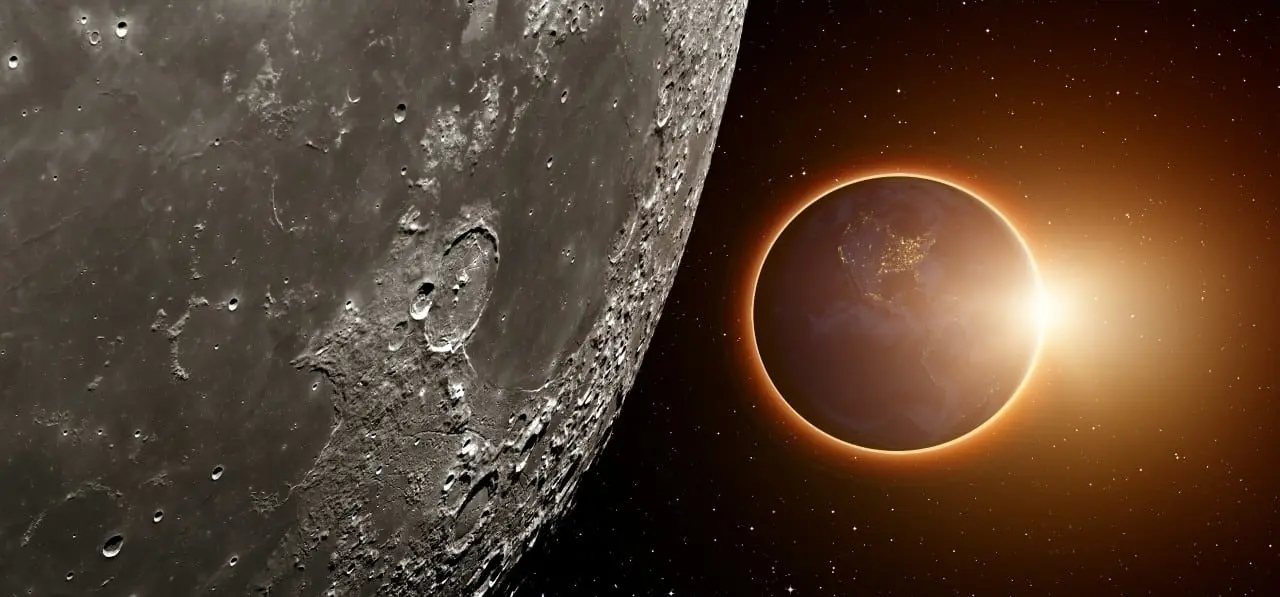
Residents and tourists in Vale of Coachella, in Califórnia, will have a unique opportunity to observe the sky in the early hours of March 3rd. The astronomical alignment will result in a total lunar eclipse, when the natural satellite crosses the shadow of Terra and takes on a characteristic reddish color.
The phenomenon, popularly known as Lua of Sangue, occurs due to the filtering of sunlight by the Earth’s atmosphere, which projects shades of red and orange onto the lunar surface. Esta will be the last chance to view a total eclipse of this magnitude in the region until 2029, which increases expectations among the local community.
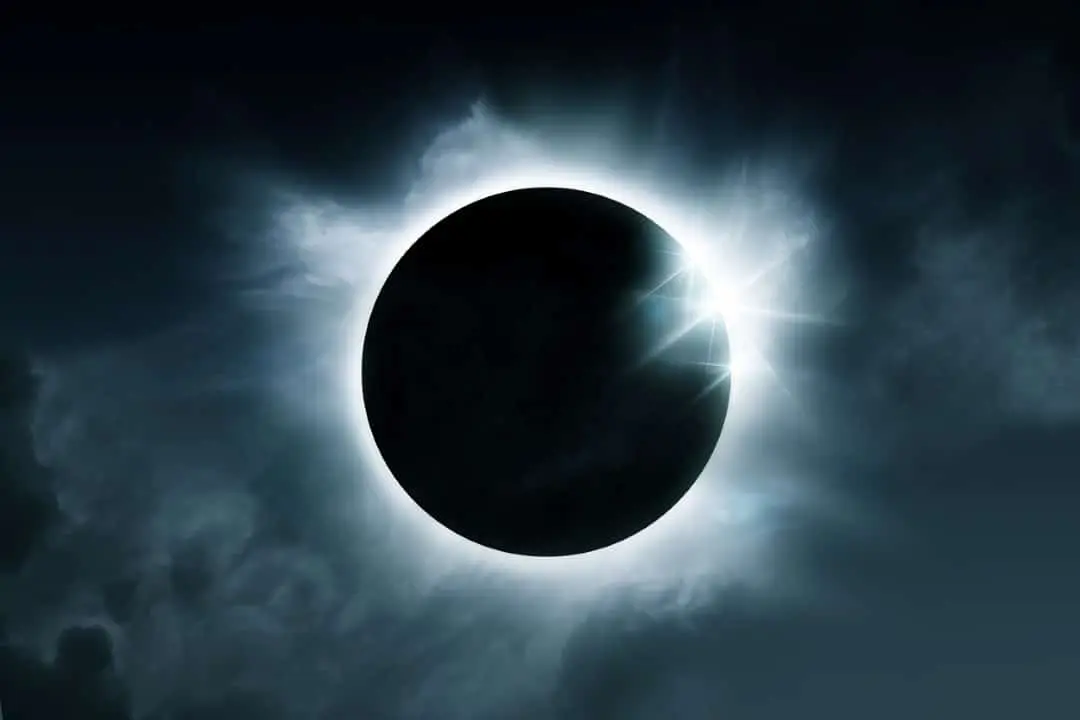
The scheduled times for the main phases of the event follow the local time zone of Pacífico:
- Start of the penumbral phase around 00:44.
- Partial coverage begins at 01:50.
- Totality of the eclipse reached at 03:04.
- Maximum peak of the phenomenon at 03:33.
- Closing of the total phase at 04:02.
Details of the process and visibility of the phenomenon
The visual transformation begins subtly when Lua enters the penumbra, the outermost part of the earth’s shadow, slightly reducing its usual brightness. The change becomes more noticeable during the partial phase, when a dark shadow progressively advances over the lunar disk, creating a clear contrast in the night sky.
As the umbra completely covers the satellite, the color changes drastically to copper or intense red tones, a result of atmospheric physics that scatters blue light and allows red spectra to pass through. The period of totality will last approximately 58 minutes, enough time for observers and photographers to record the event in detail, and the reduction in lunar luminosity will even facilitate the visualization of nearby stars that are normally overshadowed by the brightness of Lua Cheia.
Recommendations for observation in the desert
Experts indicate that places with low light pollution, such as desert areas far from urban centers, provide the best visual experience. Observatório Rancho Mirage is usually a reference point for these occasions, although confirmation of availability is necessary for guided tours during the early hours of the morning.
Unlike solar eclipses, which require strict eye protection, the lunar eclipse can be observed with the naked eye without any risk to visual health. The use of binoculars or small telescopes is only recommended for those who want to appreciate the craters and textures of the lunar surface with greater definition during dark.
Weather conditions play a crucial role as the sky needs to be clear of clouds for all stages to be visible. Entusiastas of photography must prepare tripods for long exposures, capturing the satellite’s unique hue on the western horizon.
Scientific relevance and astronomical calendar
This event is part of a sequence of important astronomical phenomena and serves as a field of study for scientists to analyze the atmosphere of Terra. The exact color that Lua takes on during totality depends on the amount of dust and clouds in Earth’s atmosphere at the time of the eclipse, providing valuable data on global atmospheric density.
The rarity of the event for the west coast of Estados Unidos mobilizes the scientific and amateur community, given that the next total eclipse visible on América of Norte will only occur in June 2029. The accessibility of the phenomenon, which does not require expensive equipment, encourages public interest in celestial mechanics and space science.