Andrew reacts with shouts to Charles III’s order to vacate mansion and cites birthright
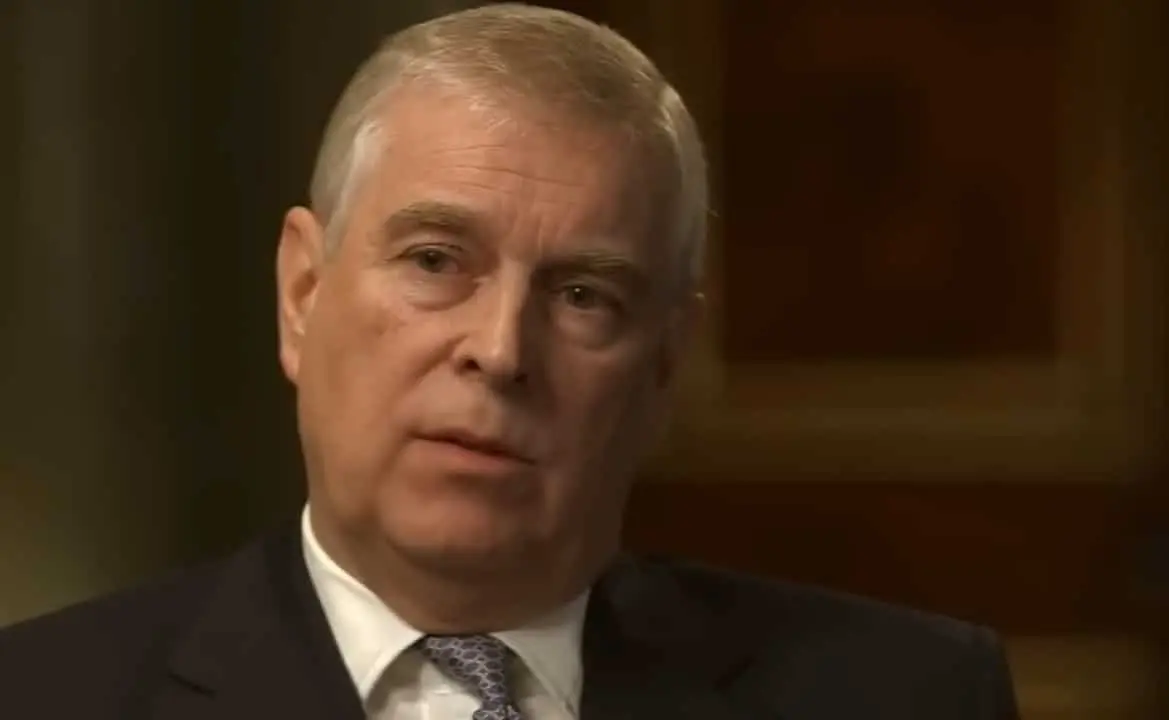
Andrew Mountbatten-Windsor’s departure from Royal Lodge, located at Windsor Great Park, was marked by moments of tension and verbal resistance on the part of the Duke. The eviction of the property, which has 30 rooms and served as his official residence since 2003, took place under direct orders from King Charles III. The transfer process, accelerated in February this year, revealed behavior that close sources described as outside protocol standards, including repeated invocations of the name of the late queen Elizabeth II as an argument for remaining in place.
Verbal resistance and appeal to royal lineage
During the procedures that preceded the definitive change, the monarch’s brother led episodes of explicit refusal to accept the royal determination. Relatos indicate that The defiant stance surprised the team involved in the logistics of the transfer and generated discomfort behind the scenes at the palace.
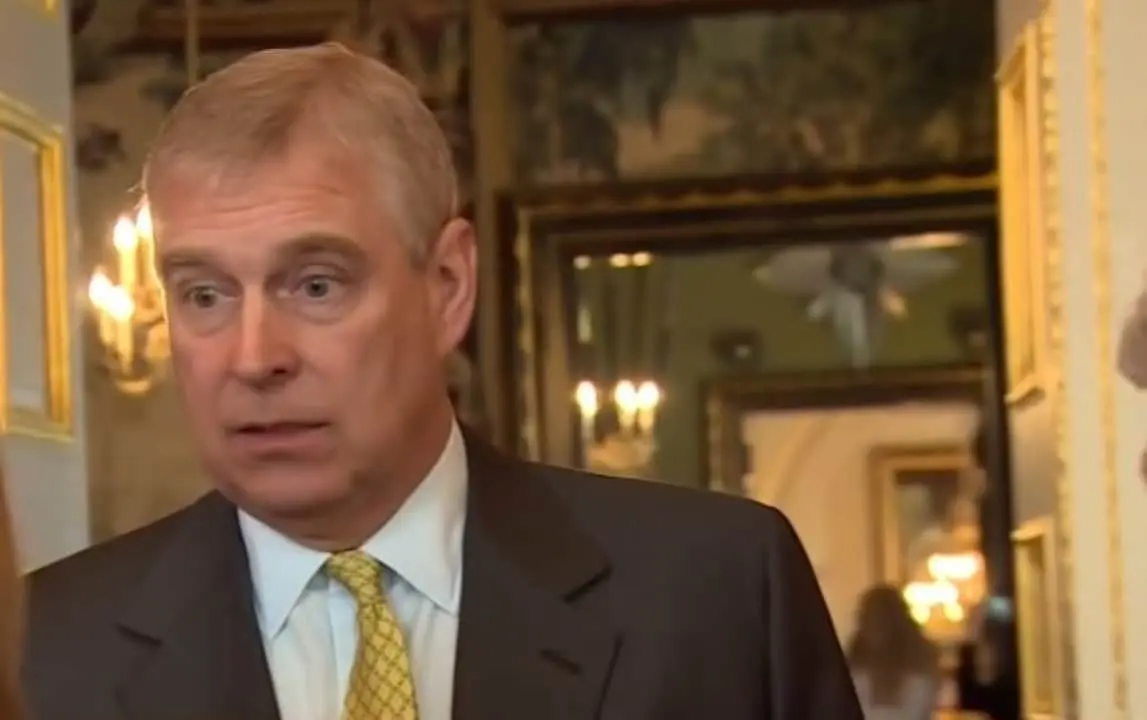
The insistence on birth rights contrasted with the administrative decision taken by the sovereign, which prioritized the removal of the duke from the main facilities of the Coroa. The episode of screams and initial refusal was kept confidential by the royal family, who chose not to publicly comment on the details of Andrew’s emotional reaction. However, the atypical movement and resistance to eviction orders ended up having repercussions internationally, highlighting the internal fractures in the relationship between the brothers.
The former prince’s official representative remained silent in the face of press requests, avoiding confirming or denying the specific details of the dialogues held during the eviction. The monarchy’s communications strategy focused on treating the matter as a resolved administrative issue, despite reports of behind-the-scenes turmoil. The change was completed, but tension remained evident between the parties involved.
Structure of the new residence in Sandringham
After leaving the imposing Georgian mansion in Windsor, Andrew was installed in a residence of significantly smaller proportions in Sandringham Estate. The new villa is a country house with five bedrooms, located in an area that offers privacy and has an exclusive forest. The property is part of the private assets of King Charles III, unlike Royal Lodge, which was part of the assets of Coroa Britânica.
The transition to the new address in The current structure, although comfortable, does not have the same luxury features and space for large teams or private events. The move was carried out discreetly, with the transport of personal belongings taking place without much media exposure.
The Sandringham complex offers geographic isolation, which was considered an important factor in site selection given current public scrutiny. The house has green areas and lakes maintained by the royal staff, but the reduction in infrastructure available to Andrew is seen as a direct reflection of his current position within the family and institutional hierarchy. Adaptation to the new environment occurs amidst continued legal pressures.
Police operations and searches for evidence
The change of residence did not interrupt the work of the British authorities, who maintain active investigations related to the former prince. Policiais carried out searches at Royal Lodge even after Andrew left, and the operations also extended to the new property at Sandringham. The authorities’ focus includes analyzing digital materials and searching for documents that may have been shared confidentially or irregularly.
In a significant development on February 19, Andrew remained in police custody for approximately 11 hours. The detention, which coincided with his birthday, involved interrogations and formal procedures at a police station, before his release under specific conditions. The operation was coordinated between different security forces and aimed to collect evidence for ongoing forensic analysis.
Investigators execute warrants that allow thorough verification of addresses in Berkshire and Norfolk. The persistence of the searches indicates that the case remains open and there is no set deadline for completion. The British police have acted with discretion, but the presence of vehicles and specialized teams on royal properties was recorded during the stages of the operation.
Positioning of Charles III and restrictive measures
King Charles III has maintained a stance of personal distance in relation to his brother’s reactions, publicly reinforcing the principle that the law must follow its natural course. The official statement issued by Palácio of Buckingham expressed deep concern about the allegations and confirmed the royal family’s full cooperation with law enforcement authorities. The monarch avoided direct comments about the shouting episodes or resistance to change.
Measures against Andrew had already been intensified in October 2025, when the king ordered the withdrawal of royal titles and honorary positions. The decision to evict Royal Lodge was a direct consequence of this policy of institutional “cleaning”, aimed at protecting the image of the monarchy in the face of controversies. Fontes palaces reiterate that there is no provision for restoring lost functions or privileges.
The king’s firmness demonstrates an attempt to isolate the institution from the criminal investigations surrounding the Duke of York. The line of succession remains unchanged, but the public presence and benefits associated with the position of senior family member have been drastically cut. Support for official investigations is the central guideline adopted by the Coroa legal team.
Context of investigations and historical connections
The current scenario is worsened by the continued repercussions of Andrew’s connections with financier Jeffrey Epstein. The release of new files and court documents, including those from Estados Unidos, brought to light details that accelerated King Charles III’s decisions. The former prince categorically denies all allegations of misconduct or irregularities, both in relation to sexual crimes and the alleged mishandling of official documents.
The investigation covers periods in which Andrew served as a commercial envoy for Reino Unido, a position he resigned in 2019. Authorities are examining whether there was misconduct or security vulnerabilities while performing these duties. The possibility of severe legal consequences, mentioned by sources linked to the case, keeps the episode under close surveillance by the media and the public.
Andrew’s insistence on his innocence contrasts with the volume of actions taken to restrict his influence and access. The recent police operation, which included physical and digital sweeps of his past and present residences, signals that scrutiny over his past activities is far from over. The monarchy continues to perform its constitutional duties while the case is processed in the competent judicial spheres.