Clinical tests prove that an 82-year-old ultramarathoner maintains the breath of a 20-year-old
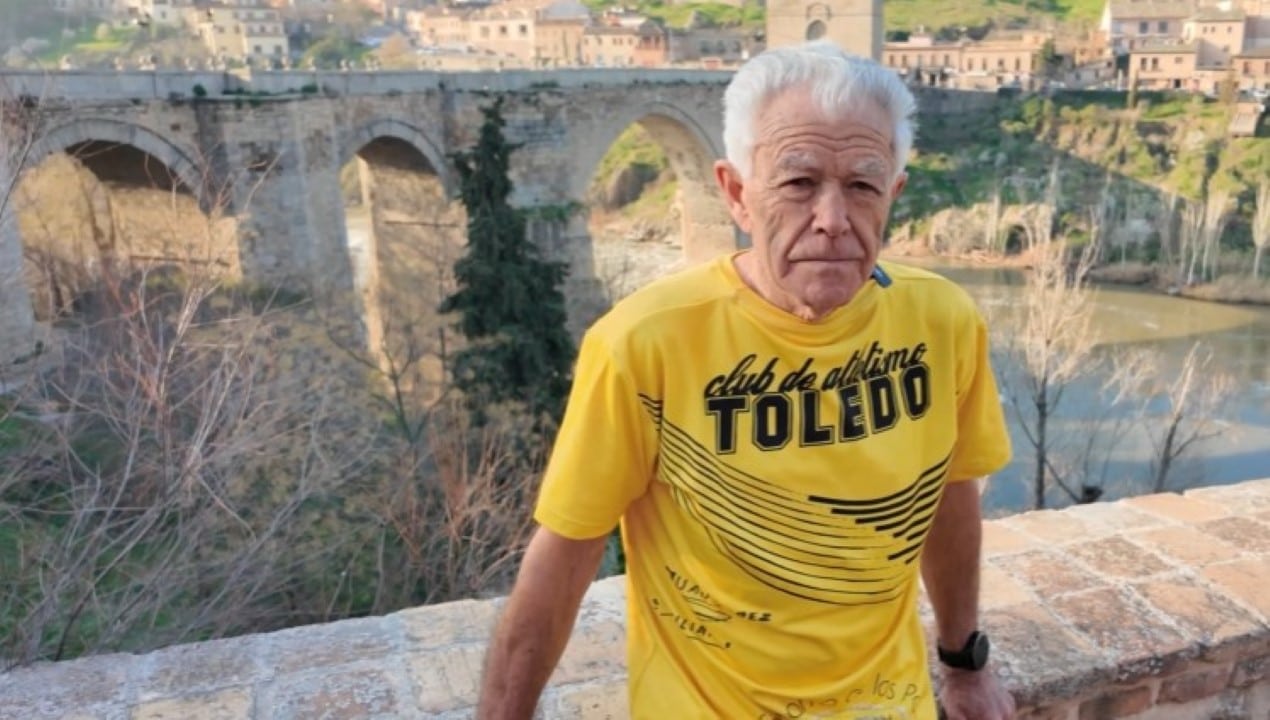
The Spanish athlete Pesquisadores of Universidade of Castilla-La Mancha, in joint academic work with scientists from Detailed physical testing demonstrated exceptional levels of oxygen uptake and metabolic efficiency while performing high-intensity exercise in a controlled laboratory environment.
Medical literature historically points to a natural and progressive decline in bodily functions after the fifth decade of life in the vast majority of human beings. However, the data collected in this specific case reveal an opposite physiological trajectory, marked by increased lung capacity and continuous muscle strengthening throughout the years of training. Maintaining an athlete’s cardiovascular health goes against conventional statistics about the wear and tear on the body.
Genetic mapping and analysis of cellular metabolism place the distance runner in a prominent position in global research on human longevity. Scientists use this information to understand the plasticity of the circulatory system and the body’s adaptation to prolonged physical stress.
Laboratory assessments highlighted fundamental points about the athlete’s physical condition:
– Níveis of maximum oxygen consumption equivalent to that of sedentary young people.
– Renovação cellular acceleration induced by intense training routine.
– Preservação exceptional bone and joint structures.
– Cardiovascular Resiliência higher than the average recorded for the age group.
Late start to sport after retirement
Juan López García’s sporting career began completely unpretentiously, shortly after leaving the job market at the age of 66. Walking initially emerged only as a viable alternative to occupy free time and keep the body active, without any competitive purpose, established performance goal or intention to participate in official athletics events.
The transition from prolonged sedentary lifestyle to high-performance sport occurred extremely gradually, based on a consistent daily routine and respecting biological limits. Essa cautious approach prepared the joints, tendons and muscles to withstand increasing loads of mechanical stress, avoiding orthopedic injuries that are common in beginner practitioners in old age.
Evolution of distances and world records
The first months of physical activity consisted only of quick walks and short jogs through the city streets, always interspersed with adequate rest periods for muscle recovery. With the progressive conditioning of the cardiovascular system, the athlete began to participate in local shorter distance races.
The migration to the demanding universe of ultramarathons took place within a few years, as the body responded positively to the increasing volume of training and energy demand. The body has demonstrated a unique ability to adapt to continuous effort.
Currently, the runner holds several world and European records in the official category for octogenarians, completing extreme races ranging from fifty to one hundred kilometers in distance. The long distance runner’s history proves that the lack of sporting experience in youth does not act as a limiting factor.
Performance of the cardiorespiratory system
Exercise tests and detailed analysis of gas exchange in the laboratory showed that the maximum volume of oxygen consumed by the athlete exceeds the levels recorded in many sedentary young people. Essa metric acts as the main indicator of human aerobic fitness in any age group.
The parameter evaluates the exact amount of oxygen that the body can capture from the external environment, transport through the bloodstream and use to generate energy in the mitochondria during maximum effort. The efficiency of this complex system determines the ability to maintain a strong rhythm for hours at a time.
The cardiovascular excellence observed in clinical examinations explains the runner’s unique ability to sustain fast strides in long-term, uninterrupted competitions. Optimized blood flow ensures adequate oxygenation of peripheral muscle tissues, delaying the accumulation of lactic acid.
Conventional studies indicate that aerobic capacity drops on average by ten percent every decade after the age of thirty. The continuous intervention of the Spaniard’s sporting routine proved capable of drastically mitigating this physiological decline expected by medicine.
Strict weekly mileage routine
The ultramarathoner’s physical preparation is structured based on a high volume of running, reaching sessions of up to sixty-four kilometers per week during periods without competitions in the sports calendar. Quando as official long-distance events approach, this mileage undergoes a substantial increase, reaching the point of doubling the distance covered on roads and trails.
The training prioritizes extensive sessions carried out at moderate intensity, a technical strategy that favors the development of aerobic resistance without causing excessive overload to the central nervous system. Esse method ensures that the body is able to metabolize fats as a primary source of energy during long races.
Muscle strengthening as prevention
In addition to specific work on tracks and roads, the training program includes weekly weight training sessions aimed at hypertrophy and gains in resistive strength. Weight lifting acts directly on maintaining bone density and strengthening the large muscle groups required during running, such as quadriceps, hamstrings and calves, forming a fundamental protective armor against joint injuries.
Nutritional strategy based on the Mediterranean diet
The athlete’s nutritional support is strictly based on the principles of the Mediterranean diet, a dietary model widely recognized by science due to its anti-inflammatory and cardioprotective properties. The basis of the daily menu is made up of a high volume of fresh fruits, dark green vegetables, fiber-rich whole grains and foods with a high concentration of antioxidants, which combat free radicals generated by the oxidative stress of ultramarathons. The almost total exclusion of ultra-processed products, refined sugars and trans fats prevents the development of systemic inflammatory processes that could delay the regeneration of muscle fibers injured during intense training. Regular and controlled consumption of extra virgin olive oil, deep-sea fish rich in omega three and oilseeds, such as walnuts and almonds, provides essential lipids for the health of cell membranes and the proper functioning of the cardiovascular system. Strict control of hydration and millimetric replacement of electrolytes ensure that the body can withstand the extreme energy expenditure required by long-term races.
Medical recommendations for practicing sports
The experience gained on the track guides runners to recommend that elderly people start their sporting journeys with low-intensity walks before risking any continuous running movement. Approval from a multidisciplinary medical team, involving cardiologists and orthopedists, constitutes a non-negotiable step before starting any intense physical training routine in old age.
Scientific research in the field of molecular biology confirms that prolonged and continuous exposure to aerobic activities directly improves aging markers at the cellular level. Esses data provides important practical support for new global public health guidelines that suggest gradually increasing exercise load for the older population.