Donald Trump’s contradictory statements about conflict in the Middle East affect global oil market
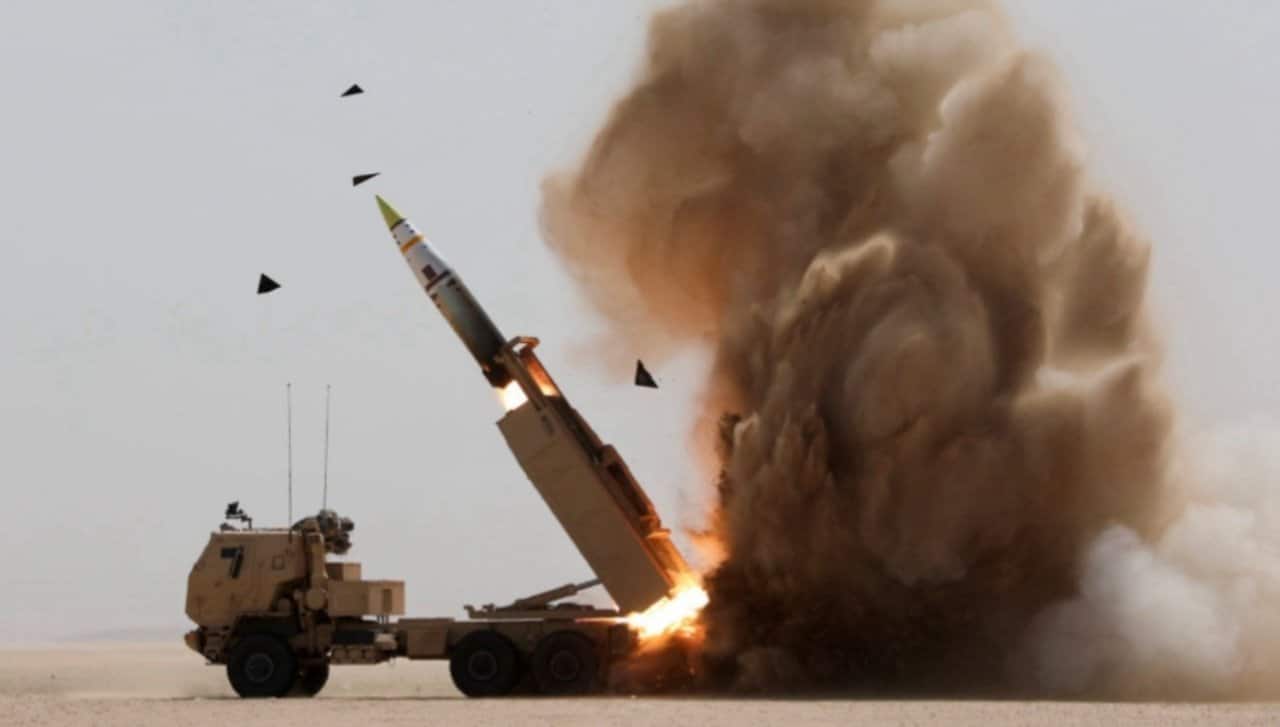
The president of the Estados Unidos issued conflicting statements regarding the progress of military operations involving American, Israeli and Iranian forces. The uncertainty regarding a possible ceasefire occurs during a period of intense military activity, which has already reached its eleventh day of direct and uninterrupted clashes on multiple battle fronts.
Iranian government authorities immediately rejected the possibility of a truce, maintaining a strict stance regarding the continuation of hostilities in the region. The lack of diplomatic alignment between the nations involved aggravates geopolitical tension and removes the prospect of peaceful resolutions in the short term, consolidating a scenario of military stalemate.
The global energy market faces direct consequences due to blockades imposed on oil tankers in strategic maritime routes. The economic impacts are already registered in the international pricing of fossil fuels, generating chain reactions on the world’s main stock exchanges and forcing governments to review their financial projections.
Economic impacts and blockages on maritime traffic
The interruption of maritime traffic in the Estreito of Ormuz represents one of the most critical points of the current geopolitical crisis. Aproximadamente one fifth of all world oil production passes through this specific route, which makes it a vital artery for the energy supply of several continents and for the maintenance of global industrial stability.
Guarda Revolucionária of Irã announced the total blockade of fuel exports from the region to nations allied with opposing forces. Esta measure aims to exert economic pressure on the international community, directly affecting supply chains and distribution logistics of resources essential for the functioning of Western economies.
Financial markets reacted with high volatility to political statements issued by the American government throughout the week. The price of a barrel of oil Brent registered significant fluctuations, briefly approaching the one hundred and twenty dollar mark before presenting a slight stabilization at lower levels, reflecting investor uncertainty.
The Grupo of the Sete scheduled emergency meetings to discuss potential interventions in the energy sector and mitigate economic damage. The objective of these nations is to establish joint mechanisms that can contain the escalation of prices and guarantee the continuous supply of petroleum derivatives to the industry, avoiding a collapse in production lines.
Expansion of hostilities in Oriente Médio
Military clashes went beyond the initial borders of the conflict, reaching neighboring territories and involving new regional actors in the armed dispute. Os Emirados Árabes Unidos, Arábia Saudita and Kuwait recorded security incidents that involved the interception of unmanned aerial vehicles in their respective airspaces, requiring the activation of defense protocols.
In Bahrein, an offensive targeting a residential building in the capital resulted in a fatality confirmed by local authorities, marking the expansion of collateral damage. Simultaneamente, the defense systems in the Iraqi Curdistão neutralized explosive devices that targeted the region of Erbil, highlighting the geographic dispersion of the coordinated attacks.
Military movements and security measures
Lebanese territory became a secondary front for intense fighting, with an increase in artillery exchanges in the southern region of the country. The local population received evacuation orders issued by military forces, which resulted in the mass displacement of civilians who lived in villages close to the border areas, changing the region’s demography.
Turquia authorized the installation of American-made anti-aircraft defense systems within its territorial limits to protect national airspace. The measure comes in response to the detection of projectiles that crossed the region during recent waves of attacks, raising the alert level of the Turkish armed forces and reinforcing international military cooperation.
Departamento of Estado of Estados Unidos determined the mandatory withdrawal of diplomatic staff and their families from specific consulates located in risk zones. The proximity of these diplomatic representations to strategic military bases increased the danger assessment for American citizens, forcing the adoption of maximum security measures.
Direct consequences for the civilian population
The human cost of military operations is continually increasing, with official reports indicating thousands of victims across the different territories involved in the confrontation. The attacks aimed at urban areas and infrastructure facilities have generated a wave of displaced people, who now face severe difficulties in accessing basic resources such as drinking water, food and emergency medical care. The destruction of residential areas forces entire communities to seek shelter in improvised camps, overwhelming the logistical and operational capacity of international humanitarian organizations operating in the region under extreme risk conditions.
Environmental and health damage adds a new layer of complexity to the crisis, especially after the destruction of large fuel depots. The emission of toxic gases and the meteorological phenomenon known as black rain directly affect the respiratory health of the local population, requiring specialized medical interventions in an already collapsed healthcare system. Investigações independent experts analyze visual evidence regarding the impact of projectiles on civilian structures, including educational institutions, which raises international debates about the proportionality of attacks and the urgent need to establish safe corridors for the evacuation of non-combatants.
Diplomatic developments and defense updates
The high command of the American defense sector has scheduled technical conferences to detail the operational progress of the forces deployed in the conflict zone. The international community awaits these updates to understand the strategic direction of the military campaigns, especially after the sequence of contradictory political statements that generated uncertainty in global markets. Paralelamente, diplomatic channels record unusual movements, such as the granting of international asylum to athletes who expressed political opposition to their home government during official competitions. Estes events demonstrate how the geopolitical crisis permeates different spheres of civil society, requiring coordinated responses from ministries of foreign affairs to manage both the macropolitical aspects of the war and the individual cases of citizens seeking refuge in the face of escalating violence and internal repression in their countries of origin.
Perspectives on the control of trade routes
Maintaining the blockade in strategic straits remains the main tool of economic pressure used in the current stage of the international conflict. The absence of a near-term resolution indicates that the global supply chain will need to adapt to alternative shipping routes, which are considerably longer and more costly for transporting commercial cargo.
Government responses and regional stability
Governments of nations not directly involved in the fighting have begun implementing contingency plans to protect their domestic economies and guarantee supplies. The main focus of these public policies is to mitigate the inflationary impact caused by sudden changes in international fuel prices and ensure the maintenance of national strategic reserves.
The stabilization of the region fundamentally depends on the establishment of a channel of dialogue that, at the moment, does not exist between the main military forces in direct confrontation. Até Although diplomatic negotiations are effectively initiated through multilateral organizations, the scenario remains characterized by the continuous mobilization of troops and the strengthening of border defenses.