Chinese automaker Xiaomi updates SU7 electric sedan with 902 km of range and beats Tesla prices
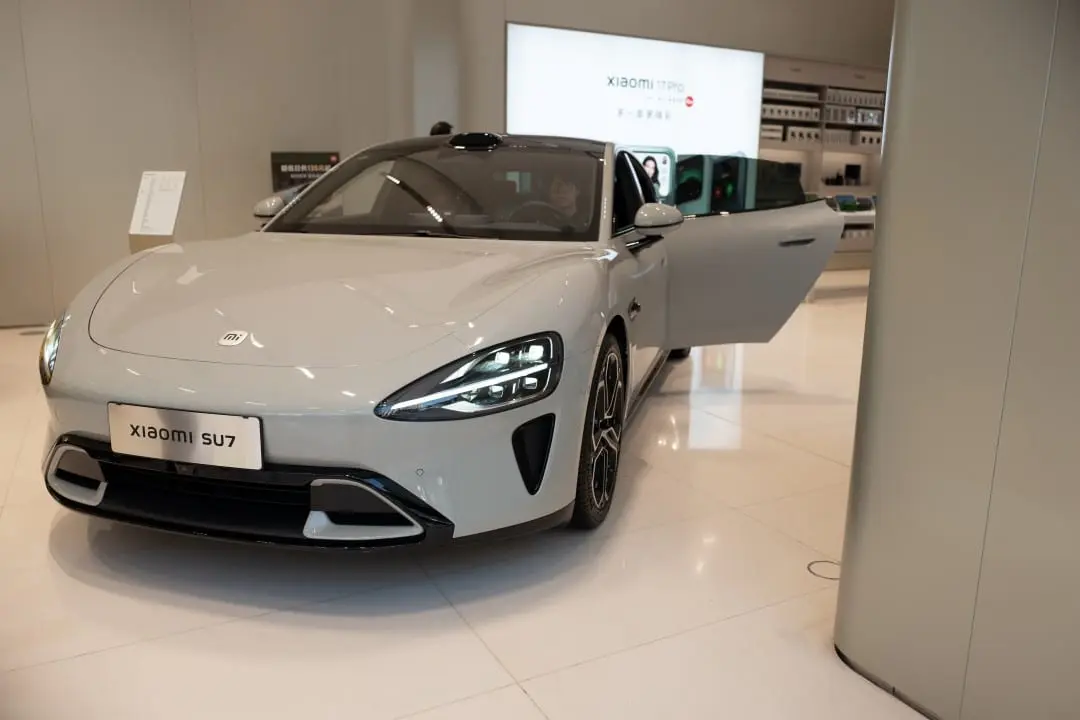
Technology and electronics manufacturer Xiaomi officially presented the new generation of its electric sedan, marking a profound update to the model that consolidated the brand’s entry into the automotive sector. The unveiling event took place in the city of Pequim, where executives detailed the modifications applied to the vehicle, which now achieves a certified range of up to 902 kilometers in the Chinese test cycle. Mass deliveries of the new units are scheduled to begin immediately to meet high demand in the Asian market.
The development of this new phase of the automotive project focused on structural technical improvements, encompassing high-voltage battery systems, ultra-fast charging speeds, passive and active safety reinforcements, as well as a complete package of advanced driver assistance. The automaker’s strategy is to maintain aggressive competitiveness in the largest electric vehicle market in the world, offering premium category specifications at prices lower than those charged by direct competitors of North American and European origin.
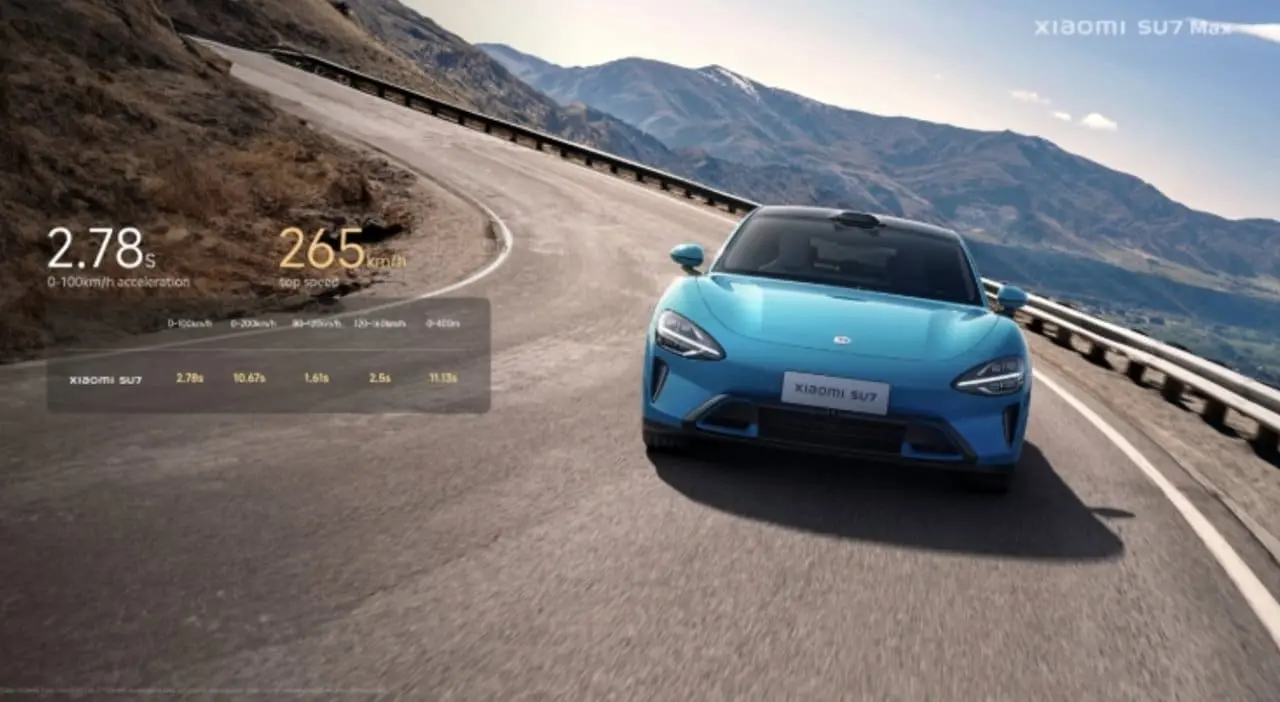
Since its initial launch, the Chinese brand’s electric sedan has registered a significant volume of sales, surpassing the mark of 360 thousand units delivered to consumers in a period of less than two years. Esse commercial performance allowed the manufacturer to surpass the registration numbers of consolidated models in the local market, establishing a new dynamic of competition in the battery-powered medium and large sedan segment.
Market strategy and price positioning
The pricing policy adopted for the new line of electric vehicles reflects the manufacturer’s intention to dominate the entry-premium segment. The basic model arrives at dealerships with a starting price set at 229,900 yuan, which represents aggressive value for money when compared to options available in the same category.
This financial positioning puts the vehicle at a direct advantage against the rear-wheel drive Tesla Model 3, which is sold at China for prices starting at 235,500 yuan. The price difference, combined with a more robust standard equipment package, creates considerable attraction for local consumers looking to transition to electric mobility.
The mid-range version, designed to maximize operational range, has been priced at 259,900 yuan, absorbing the costs of the new battery technologies implemented. Já the top-of-the-line configuration, focused on high performance and all-wheel drive, costs 309,900 yuan in the domestic market.
The automaker structured its supply chain and assembly lines to guarantee a production volume of more than 16 thousand units per month in the short term. Essa production capacity aims to mitigate waiting lines and ensure that the conversion of reservations into effective sales occurs in a fluid and continuous manner.
Electrical architecture and charging systems
The engineering platform that underpins the sedan has undergone a significant technical redesign to support new demands for energy efficiency and fast recharging. The entry and mid-range configurations have been updated to operate with a 752-volt electrical architecture, integrating silicon carbide inverters that reduce thermal losses and optimize power flow between the battery and motors. The high-performance version received an even more advanced system, operating at 897 volts, which puts it at the top of the global industry in terms of vehicle electrical management capabilities.
These structural modifications to the high-voltage network resulted in substantially shorter recharging times at compatible charging stations. The main variant now has the ability to recover up to 670 kilometers of autonomy in just 15 minutes connected to a supercharger. The system achieves charging peaks rated at 5C, allowing the battery level to jump from 10% to 80% in approximately 11 minutes, eliminating one of the main barriers to the adoption of electric vehicles for long-distance travel.
Expanding operational autonomy
Gaining range per full charge is one of the pillars of this new generation, with improvements recorded in all variants in the catalog. The entry-level version had its range extended from 700 to 720 kilometers, while the performance-focused model now delivers 835 kilometers, both measured under the standards of the official Chinese cycle.
The technical highlight lies in the intermediate configuration, which broke the nine hundred kilometer barrier, reaching the exact mark of 902 kilometers of certified range. Esse result was obtained through the combination of battery packs with greater energy density and an aerodynamic refinement that reduced the drag coefficient to 0.21.
Improvements to the chassis and mechanical assembly
The mechanical engineering department standardized the use of the new generation electric motor throughout the production line. The versions equipped with a single propeller on the rear axle received an increase in power, jumping from 299 to 320 horsepower, ensuring more agile responses in urban traffic and on highways.
The four-wheel drive variant maintains its focus on extreme sportiness, delivering a combined power of 690 horsepower. Para to deal with this force, the chassis received structural reinforcements and the double-chamber air suspension, which continuously adjusts the damping, is now also offered in the intermediate version.
The braking system and contact with the ground have been resized to support the new driving dynamics. The vehicles leave the factory with asymmetrically sized tires, which are wider on the rear axle, and have four-piston brake calipers at the front, with the sports version adopting high-performance components with ventilated and perforated discs.
Sensor integration and data processing
The democratization of autonomous driving technology is a hallmark of this update, with the inclusion of the LiDAR sensor as standard equipment in absolutely all versions of the sedan. Esse equipment works in conjunction with four-dimensional millimeter wave radars to map the environment around the vehicle with millimeter precision in real time.
To process the massive volume of information generated by these sensors, the embedded computing platform was replaced by a unified system capable of performing 700 trillion operations per second. Esse processing power ensures the smooth functioning of the autonomous driving system on highways, which is now activated from the factory in the most affordable model.
Structural reinforcements and vehicle safety
The physical integrity of the occupants and the protection of high voltage components led to a complete review of the car’s body structure. Engineers replaced previous materials with ultra-high-strength steel alloys capable of withstanding pressures of up to 2,200 megapascals in critical impact zones, creating an extremely rigid survival cell. The compartment that houses the battery pack in the vehicle’s floor received special attention, gaining 1,500 megapascal steel crossbars and a reinforced lower coating to prevent punctures caused by debris on the roads. Além of structural strength, the passive safety system was expanded with the addition of new side airbags for rear seat passengers, increasing the total number of inflatable bags from seven to nine. Outro emergency-focused technical detail involves the built-in door handles, which have been redesigned with a redundant, triple release mechanism, ensuring that the doors can be opened manually by rescuers even in the event of a total failure of the car’s electrical system.
Aesthetic updates and interior environment
The external visual modifications were applied in a restrained manner, preserving the original identity of the project, with the introduction of a new shade of blue paint, headlights with a redesigned internal arrangement and 20-inch alloy wheels with optimized aerodynamics. In the cabin, the changes focused on ergonomics and user experience, bringing a steering wheel with a two-tone rim, a central console with new physical controls and a dynamic ambient lighting system that reacts to driving modes.
Settings available in the portfolio
The sales catalog was structured into three distinct levels of finish and performance, facilitating consumer choice. Cada variant has been calibrated to suit a specific usage profile, from efficient daily commuting to sporty driving on closed tracks.
The official values released by the automaker for the Asian market establish the following sales standard for the new line:
- Entry configuration with single engine, 752 volt architecture and standard range of 720 kilometers.
- Mid-range configuration focused on maximum efficiency, air suspension and extended range of 902 kilometers.
- High-performance configuration with all-wheel drive, 897-volt architecture and focus on sporty acceleration.