Action movie legend Chuck Norris dies at age 86 due to medical complications in Hawaii
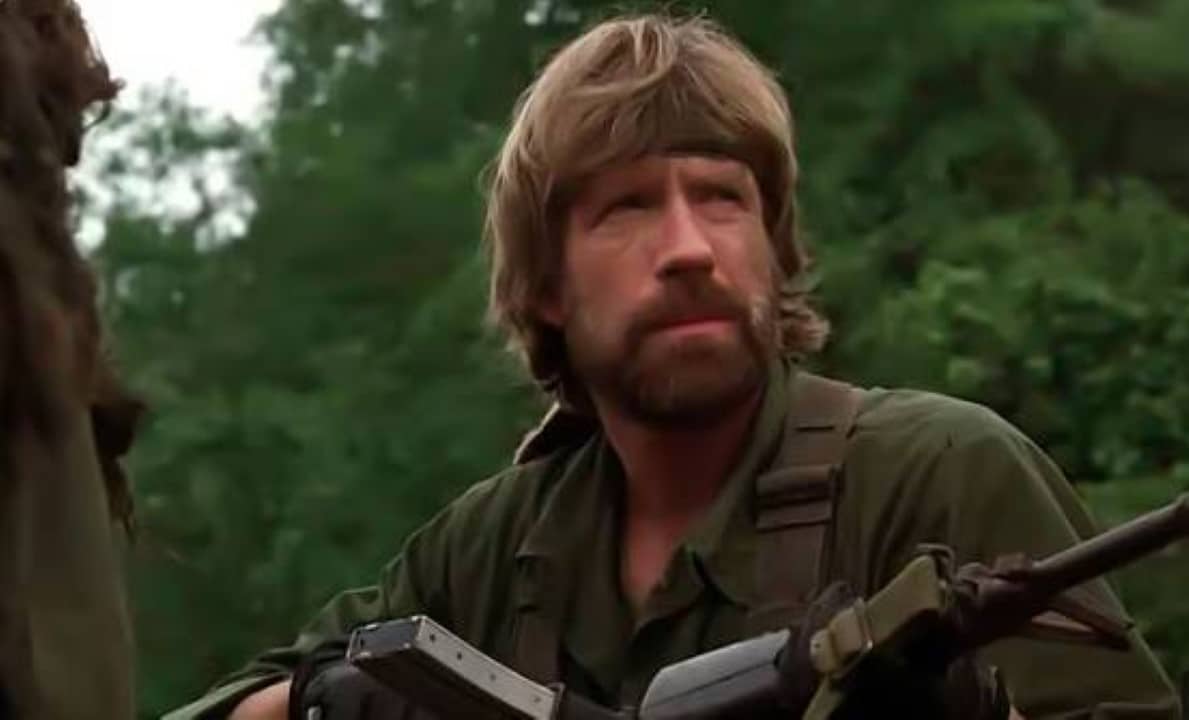
Actor and martial arts master Carlos Ray Norris, widely recognized by the global public for his career in cinema and television, passed away at the age of 86 this Friday. The death was confirmed after an emergency hospitalization due to health complications recorded at the beginning of the week. The artist received medical care on the island of Kauai, located in the Havaí archipelago.
The hospitalization occurred suddenly and interrupted the entertainment industry veteran’s routine in the Hawaiian region. Informações Preliminaries indicate that, days before the clinical event that resulted in his hospitalization, he maintained his normal daily activities. Pessoas neighbors reported that the artist was in good spirits during recent telephone conversations.
To date, the absence of a detailed medical report or an official statement from family members has kept the specific cause of death confidential. Profissionais of the international press and admirers await updates from local health authorities to understand the evolution of the clinical picture at the Kauai hospital unit.
First aid and medical care on the Hawaiian Island
The island of Kauai, the scene of the artist’s last moments, is recognized for its lush geography and peaceful atmosphere. The place often serves as a refuge for public figures in search of privacy and distance from large urban centers. The region’s medical infrastructure was activated immediately after the first signs of instability in the actor’s health.
Local rescue teams provided emergency first aid as soon as they received the call at the residence where he was. Health professionals performed standard clinical stabilization protocols before transferring the patient to the nearest hospital unit. Transport took place under continuous monitoring of vital signs.
Upon admission to the hospital, the patient was taken directly to the intensive care ward, where he received specialized medical support. The medical team on duty carried out a series of diagnostic tests in an attempt to reverse the adverse clinical situation. Todos the resources available at the health unit were mobilized during the hospitalization period.
The confirmation of the medical emergency and the subsequent report of the death generated an immediate mobilization on digital platforms and media outlets around the world. Mensagens of mourning and tributes began to be published by professional colleagues, martial arts students and regular viewers of his cinematographic and television works.
Military trajectory and development of combat techniques
Before achieving stardom in the studios of Hollywood, the artist built a solid foundation of discipline and physical preparation while serving in Força Aérea of Estados Unidos. During his period of military service, he was assigned to work at the Osan air base, located at Coreia of Sul, where he had his first in-depth contact with Asian martial arts. Essa international experience shaped his physical fitness and provided the technical foundations that he would use throughout his life, transforming a young soldier into a dedicated student of personal defense and hand-to-hand combat techniques.
The deepening of combat techniques resulted in the creation of a unique fighting style, later named Chun Kuk Do, which means the universal path. The modality combines elements of several traditional martial arts, such as Tang Soo Do, Taekwondo and judo, with a philosophy of life based on respect, honor and the continuous improvement of the practitioner. The founding of United Fighting Arts Federation consolidated its role as an educator and promoter of sport on a global scale, ensuring that its teaching methodology was passed on to thousands of students and instructors around the world.
Cinematic rise and on-screen partnership
The transition from competition mats to recording studios occurred organically in the early 1970s. His exceptional technical mastery and striking physical presence caught the attention of producers and directors focused on the action genre, who sought real martial arts experts to choreograph and act in combat scenes. The film market at the time was undergoing a reformulation, demanding greater realism in fight sequences.
The biggest milestone in his filmography came in the feature film O Voo do Dragão, released in cinemas in 1972. The iconic fight scene recorded in Coliseu do The combat sequence is still considered one of the most important and well executed in the history of martial arts cinema.
From that moment on, invitations to star in high-budget productions quickly multiplied by American studios. Audiences came to identify the actor as a symbol of relentless strength and justice, characteristics that would define the vast majority of his future roles. The image of a silent and highly lethal hero became his trademark at the global box office.
The peak of action productions and box office dominance
During the 1980s, the global film market was largely dominated by narratives of military action, heroic rescues and espionage plots. The actor found in this scenario the perfect environment to consolidate his position as one of the most profitable and sought-after professionals in the entertainment industry, starring in dozens of films that packed movie theaters. Produções like Braddock and Comando Delta became absolute box office successes, grossing millions of dollars and setting new standards for the genre. Scripts often placed him in the position of an elite soldier, war veteran, or special agent tasked with missions considered impossible for regular government forces. The aesthetics of these films, heavily marked by choreographed explosions, intense gunfights and hand-to-hand combat, defined the visual standard for an entire era of Hollywood. The silent charisma, the protagonist’s unwavering expression and his ability to resolve complex conflicts through physical strength and military tactics became elements copied by several other studios trying to replicate the same formula of financial success and popular appeal.
Success on television with police productions
The peak of the artist’s television popularity occurred with the launch of the series Walker Texas Ranger, which dominated the prime time audience for several consecutive years. His portrayal of patrolman Cordell Walker transformed the actor into a constant presence in homes across different countries, expanding his reach beyond the traditional action cinema audience. The show’s narrative mixed classic police investigations with frequent demonstrations of martial skills.
The main character used physical force only as a last resort to combat crime and maintain order in the state of Texas, always prioritizing moral values and the defense of the most vulnerable. The lasting success of television production generated a legion of admirers of different age groups, resulting in the sale of licensed products and constant reruns. The format set a lasting standard for action police productions on American broadcast television.
Internet phenomenon and adaptation to digital culture
With the advent of the internet and the massive popularization of social networks, the figure of the fighter gained an unexpected and gigantic survival through hyperbolic anecdotes. Internet users began to create and share thousands of jokes that attributed impossible feats, extraordinary strength and absolute invincibility in the face of any obstacle to the actor. Esse digital phenomenon introduced the cinema veteran to an entire generation of young people who had not seen the height of his career on the big screen.
The virality of these jokes transformed the artist’s name into an absolute synonym of resistance and extreme power in global contemporary pop culture. The actor himself often showed good humor in relation to memes, even participating in advertising campaigns and talk shows where he read and commented on absurd inventions. Essa posture demonstrated a unique ability to adapt to the new times of digital communication and viral marketing.
Philanthropy and social projects for youth
In addition to his work in front of the cameras and on the mats, the artist dedicated much of his adult life to philanthropic initiatives, most notably the creation of the Kickstart Kids foundation. The program was developed with the main objective of teaching fundamental values, such as respect, discipline and responsibility, to elementary and secondary school students through the guided practice of martial arts. The social initiative served thousands of young people in vulnerable situations, offering a positive alternative for personal development and avoiding crime, keeping alive its founder’s vision of the transformative power of sport in education.
Main milestones in the artist’s career
The martial arts master’s professional career is full of significant achievements that redefined the action genre and left a lasting legacy. Entre the highlights of his public life, the following historical facts that marked his journey stand out:
– Serviço military service provided at Força Aérea of Estados Unidos working at the base of Osan, at Coreia of Sul.
– Criação of the Chun Kuk Do combat system and foundation of the United Fighting Arts Federation for training athletes.
– Historical Participação in the film O Voo from Dragão in 1972, starring in a legendary scene in Coliseu from Roma.
– Absolute Protagonismo in the television series Walker Texas Ranger, audience leader in prime time.
– Transformação in one of the biggest icons of digital culture through global memes about his invincibility.
– Criação of the social project Kickstart Kids, focused on the development of young people in vulnerable situations through sport.