Rising aviation kerosene prices force Asian companies to increase tickets on global routes
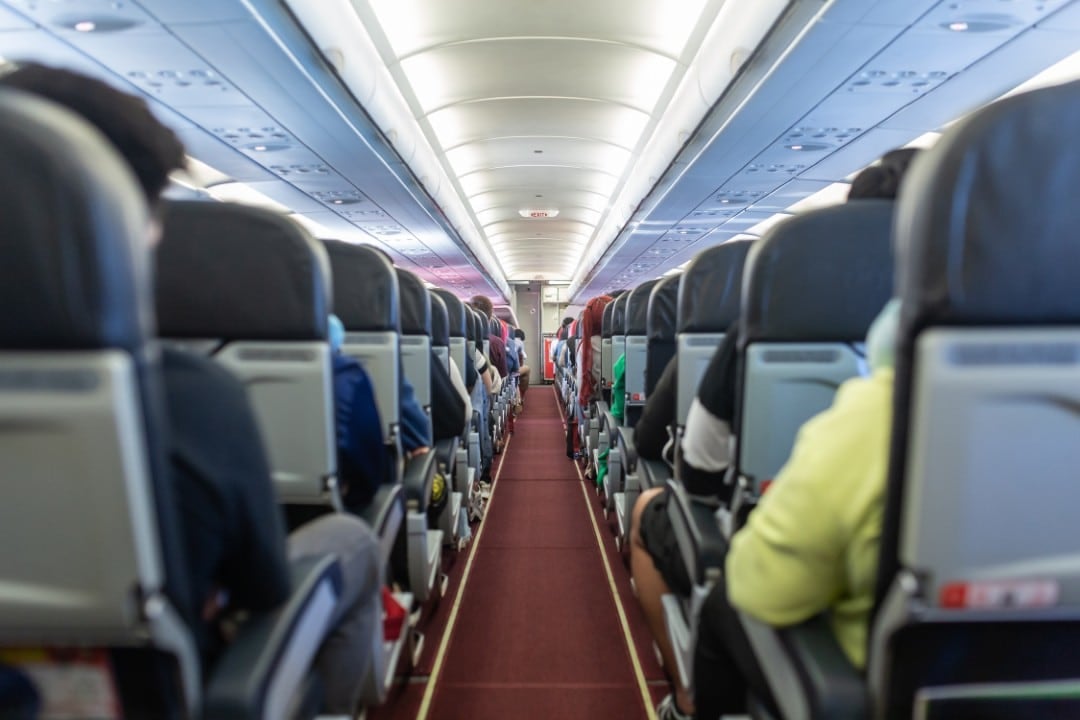
The civil aviation sector on the Asian continent records a widespread movement of passing on costs to end consumers. The main cause of this tariff change is the continuous rise in aviation kerosene prices on the international energy market. The region’s main operators began applying new price lists for domestic and international flights, reflecting the direct pressure from essential operating expenses.
This measure directly affects high-demand routes, encompassing strategic connections in financial centers and tourist hubs across the continent. Travel dynamics in the region are undergoing a structural transformation, requiring rapid adaptations from both airlines and frequent and sporadic travelers who depend on air transport for business or leisure.

The readjustment movement occurs at a time of stabilization in the demand for flights after periods of fluctuation in the global airline network. Companies in the sector are forced to seek a delicate and constant balance between maintaining operational profitability and commercial attractiveness for passengers, preventing increased prices from driving away customers.
Financial pressure on business operations
Volatility in the global energy market immediately affects the financial spreadsheets of airline operators around the world. Aviation kerosene historically represents a share that varies between thirty and forty percent of the total expenses of a company in the sector, making any fluctuation a determining factor for the viability of routes.
When the value of this essential input rises abruptly, companies’ profit margins suffer an almost instantaneous compression. Pricing departments need to formulate quick responses to avoid irreversible losses in daily operations, adjusting sales algorithms on digital platforms.
Geopolitical factors and restrictions in the global supply chain keep the value of a barrel of oil at high and unpredictable levels. The absence of long-term financial protection mechanisms, known as hedge contracts, leaves several Asian companies exposed to daily fluctuations in the commodities market.
Without this financial security lock, companies are forced to purchase fuel at the market value of the day, passing on the difference to the tariffs charged. The current fare composition involves multiple factors that make the final ticket more expensive:
– The international price of a barrel of oil and the local exchange rate in relation to the US dollar in daily transactions.
– A shortage of regional refining capacity specifically aimed at large-scale aviation fuel production.
– The transfer of airport operating costs, landing fees and air navigation fees imposed by local governments.
– The need to adapt fleets to more modern aircraft, which require high investments, but offer greater energy efficiency.
Route optimization strategies
To mitigate total cost absorption, planning departments implement cuts on routes considered less profitable. Flight frequencies between secondary cities are undergoing scheduled reductions, concentrating traffic in large connection hubs to ensure maximum aircraft occupancy and spread the cost of the flight over the largest possible number of occupied seats.
Flight engineering teams adopt strict fuel-saving protocols at every stage of the journey. The procedure includes route optimization with advanced navigation software, which calculates efficient trajectories, takes advantage of favorable wind currents and reduces waiting time in the air before landing at congested airports. Procedimentos on the ground are also undergoing revisions, with the use of external electrical energy at the boarding gates replacing the burning of kerosene by auxiliary engines.
Changes in the structure of passenger services
The financial restructuring of airlines directly affects the provision of on-board services and baggage allowance policies. Itens that were previously offered as amenities on short and medium-haul flights are now sold separately, generating ancillary revenues that have become essential for the daily cash flow of civil aviation companies.
The rules for transporting checked bags and hand luggage become stricter and are subject to detailed inspection at the boarding gate. The technical objective of this measure is to reduce the total weight of the aircraft, since lighter planes require less engine power and, consequently, consume less kerosene during takeoff and cruise flights, resulting in large-scale savings.
Communication with customers about the composition of tariffs takes on new contours, with details of boarding fees and transfers related to fuel. Digital ticket sales platforms display the breakdown of values to justify the final amount charged at the time of issuing the electronic ticket, seeking transparency in the face of consumer complaints. Loyalty programs are also undergoing updates, requiring more points to redeem tickets.
Reconfiguration of the operators’ business model
The current scenario forces a rapprochement in the strategies adopted by traditional airlines and low-cost companies. Conventional carriers reduce their service differentials to compete on price, removing entertainment screens from smaller aircraft and densifying cabin seating configurations. On the other hand, low-cost companies face severe difficulties in maintaining their aggressive rates without compromising the minimum operating profit margin required by shareholders and investors in the financial market, which forces them to rethink their main routes.
Market consolidation appears as a likely path, with smaller companies seeking strategic alliances or mergers to ensure survival in a high-cost environment. Flight sharing, technically known as codeshare, is gaining momentum among Asian operators. Essa practice allows the maintenance of a varied network of destinations without the need to allocate own aircraft and crews to routes that have a passenger density lower than the average necessary to cover fuel and ground operation costs.
Bottlenecks in refining and regional production
Oil refining infrastructure in the Ásia-Pacific region has significant structural limitations in meeting peak demand for jet fuel. Durante periods of low global demand in previous years, several refineries adjusted their production lines to prioritize the manufacture of diesel, gasoline and other petrochemical derivatives, drastically reducing the installed capacity for aviation kerosene. The accelerated resumption of the commercial flight network found an unbalanced industrial park, generating a temporary supply deficit that puts even more pressure on prices in the physical market. Importing the refined product from other geographic regions adds heavy logistical costs, customs fees and sea freight expenses, making the input considerably more expensive before it even reaches the underground storage tanks of the main Asian airports, which makes it impossible to reduce tariffs in the short term.
Financial compensation through cargo transportation
Air cargo logistics acts as a crucial financial compensation factor for commercial passenger flights. The use of aircraft holds to send high-value goods, electronics and express shipments helps to dilute the operational costs of the trip, making the route viable even with a seat occupancy rate lower than the break-even point projected by the companies.
Energy transition and alternative fuels
Current financial pressure is accelerating discussions on the adoption of sustainable aviation fuels by Asian operators. Embora technology promises to reduce dependence on oil and reduce carbon emissions into the atmosphere, commercial-scale production is still incipient and acquisition costs far exceed those of traditional fossil kerosene, preventing immediate replacement in current fleets.
Civil aviation authorities and local governments are beginning to design incentive policies for the construction of specialized biorefineries. The long-term goal of Asian nations is to create a robust regional supply chain that offers price predictability, energy security and external independence for airlines operating routes critical to the economy across the continent.