Inventor of the labradoodle regrets creating the breed and warns of serious genetic problems in dogs
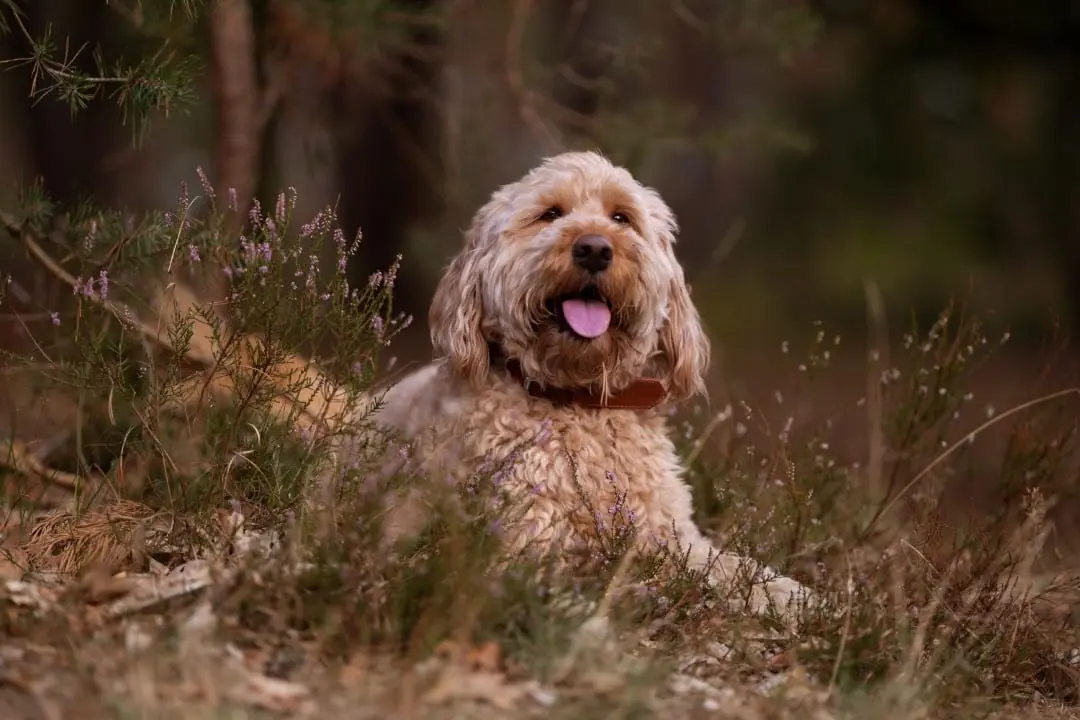
The development of the first line of designer hybrid dogs has transformed the global pet market in recent decades, but it carries significant ethical weight for its creator. Wally Conron, the Australian professional responsible for crossing a standard poodle with a female Labrador, expresses deep dissatisfaction with the direction his initiative has taken. The initial experience sought to solve a strictly functional and medical demand, without any intention of creating a large-scale aesthetic or commercial trend.
The original motivation arose during Conron’s work at Royal Guide Dogs, at Austrália, after receiving a request from a visually impaired woman residing at Havaí. The client’s husband had a severe allergy to dog hair, making it impossible to have a traditional guide dog of the Labrador breed in the house. Previous attempts with purebred poodles have failed due to a lack of the specific temperament required for the complex task of guiding humans in urban environments.
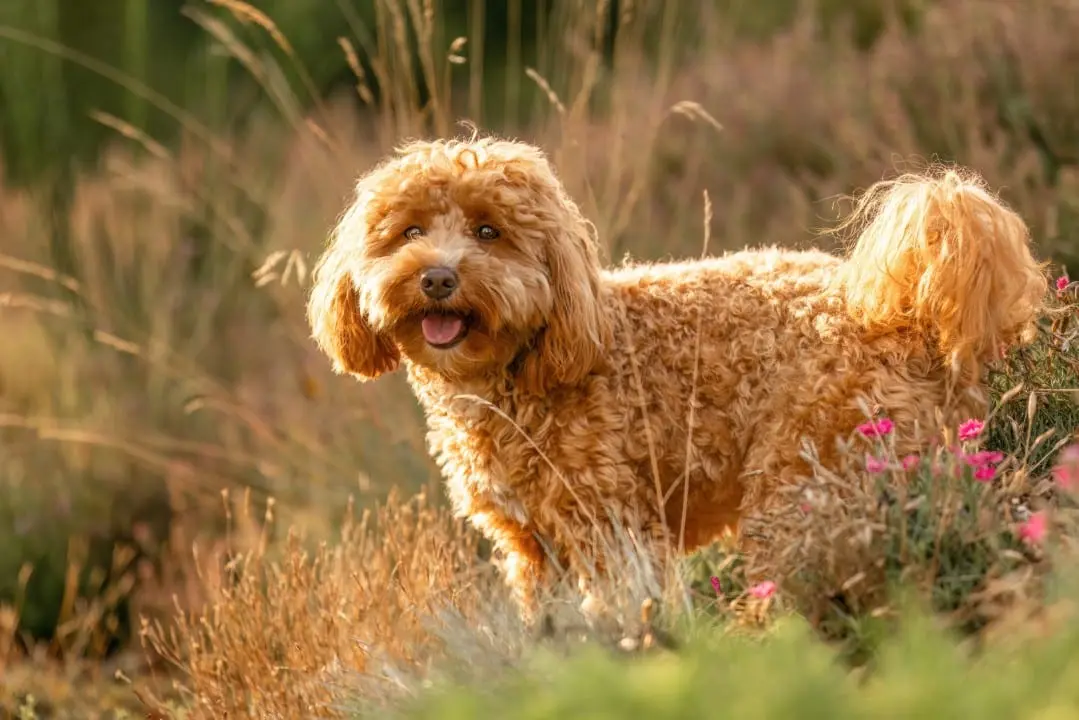
The pioneering cross resulted in a litter of three puppies, laying the foundation for what would become a worldwide phenomenon. The process involved rigorous technical and sanitary validation steps to ensure the safety of those involved.
– Envio of fur samples from puppies for contact testing at Havaí.
– Seleção of the puppy called Sultan, the only one that did not trigger allergic reactions in the client’s husband.
– Treinamento intensive use of the animal to act as a guide dog, a role it performed with excellence for a decade.
Context of innovation and breaking paradigms in reproduction
The decision to mix two distinct breeds represented a break with the standards established by dog breeding associations at the time. The technical objective was to unite the poodle’s intelligence and low-shedding coat with the Labrador’s docility, physical strength and unwavering loyalty. The success of the operation with Sultan resolved the Hawaiian owner’s mobility problem and preserved her family’s respiratory health, marking a milestone in assistance to people with disabilities.
The news about the hypoallergenic guide dog spread quickly, generating an unprecedented global demand for animals with the same characteristics. Control over breeding, which initially belonged to service dog training institutions, was quickly diluted as independent breeders realized the new hybrid’s profitable potential. The bloodline’s popularity paved the way for a billion-dollar industry focused on developing custom pets.
Currently, the market has a multitude of variations known as doodles, which include mixes of poodles with golden retrievers, cocker spaniels and mountain dogs. Essa uncontrolled expansion has completely moved away from the original purpose of providing accessibility, transforming canine genetics into an experiment aimed at meeting the aesthetic preferences of urban consumers.
Ethical dilemmas and the deterioration of the genetic health of animals
The creator of the mix uses the monster analogy of Frankenstein to describe the current scenario of designer dog breeding. The absence of strict regulation allowed individuals without training in veterinary genetics to start breeding dogs indiscriminately, prioritizing sales volume to the detriment of animal welfare. Essa practice resulted in the spread of lineages with serious hereditary flaws.
Veterinary medicine specialists document a significant increase in the incidence of joint pathologies, such as hip dysplasia, in hybrid dogs sold without pedigree certification. Além of physical problems, the lack of careful selection of parents generates animals with temperamental instability, prone to anxiety disorders and aggressive or destructive behaviors.
The promise of a completely hypoallergenic coat also proved to be a failure in mass reproduction. Recessive genetics make the type of hair each puppy will develop unpredictable, resulting in dogs that continue to shed hair and cause allergic attacks in their new owners. Essa frustrated expectations directly contributes to the increase in abandonment rates in animal shelters.
The proliferation of puppy mills worsens the situation, using the famous nomenclature to inflate the prices of dogs kept in poor sanitary conditions. The exclusive focus on profit marginalizes preventive health tests that should be mandatory before any mating, perpetuating a cycle of suffering for the mothers and the litters generated.
Financial impact and the commodification of living beings
The transformation of the animal into a symbol of social status has driven the prices of puppies to exorbitant levels in large urban centers. The marketing strategy adopted by commercial breeders often omits the biological complexities involved in maintaining a large, high-energy dog. The narrative of a perfect, maintenance-free pet attracts impulsive buyers who are unaware of the real needs for physical and mental stimulation required by the genetic heritage of the Labrador and the Poodle.
The public regret of the original creator is based on the perception that animal life has been reduced to a shelf product, where external appearance takes precedence over physical integrity. The lack of patenting or legal restrictions on the name of the mixture allowed the concept to be misappropriated by predatory commercial operations. Aggressive commercialization ignores the fact that the genetic balance achieved in the first specimen was the result of meticulous scientific planning, rarely replicated in backyard breeding.
Clinical challenges and deconstruction of the myth of hybrid vigor
The scientific community and professionals in veterinary clinics face daily challenges in dealing with the consequences generated by unsupervised breeding. The biological concept of hybrid vigor, often used as a selling point to justify the supposed immunological superiority of mixed-breed dogs, does not automatically apply when the parents already carry deleterious genetic mutations. In clinical practice, it is observed that puppies can simultaneously inherit the negative genetic predispositions of both breeds, resulting in complex conditions of severe dermatological allergies, progressive ophthalmic diseases and congenital heart anomalies. The absence of a defined breed standard makes it difficult to establish standardized preventive protocols, requiring highly individualized and costly approaches from veterinarians for owners. Raising awareness about the importance of prior genetic screening becomes the main tool to combat misinformation spread by sellers focused exclusively on the visual appeal of newborn puppies.
Review of protocols in visual assistance institutions
Organizations dedicated to training guide dogs have reevaluated their reproductive strategies in the face of the logistical and financial difficulties imposed by maintaining hybrid strains. Genetic unpredictability made the process of selecting puppies suitable for work excessively onerous, with high disqualification rates during the basic training period.
Currently, technical preference has returned to the genetic improvement of consolidated pure breeds. Service schools focus efforts on selecting Labrador retrievers with a lower natural allergen burden or advanced training of standard poodles that demonstrate exceptional emotional stability, ensuring greater predictability in operational outcomes and the long-term health of service animals.
Changes in consumer behavior and conscious adoption
The repercussion of statements about genetic risks began to influence the behavior of a portion of consumers looking for new pets. Campanhas of awareness promoted by veterinary medicine councils advises the public to demand complete health reports from the parents before purchasing any hybrid puppy.
The movement in favor of conscious adoption is gaining strength as an alternative to financing irresponsible breeders. Organizações rescuers report that transparent information about the real physical and psychological needs of these dogs is essential to reduce the cycle of abandonment and ensure suitable forever homes.
Human responsibility in canine genetic manipulation
The historical legacy of initial breeding remains a watershed in modern dog breeding, highlighting the risks inherent to biological manipulation devoid of ethical regulation. The critical stance adopted by the creator of the mixture serves as a permanent warning to society about the need to prioritize health, temperament compatibility and animal welfare to the detriment of temporary aesthetic trends dictated by the consumer market.