Japanese scientific expedition records intense aurora over the ship Shirase in the Southern Ocean
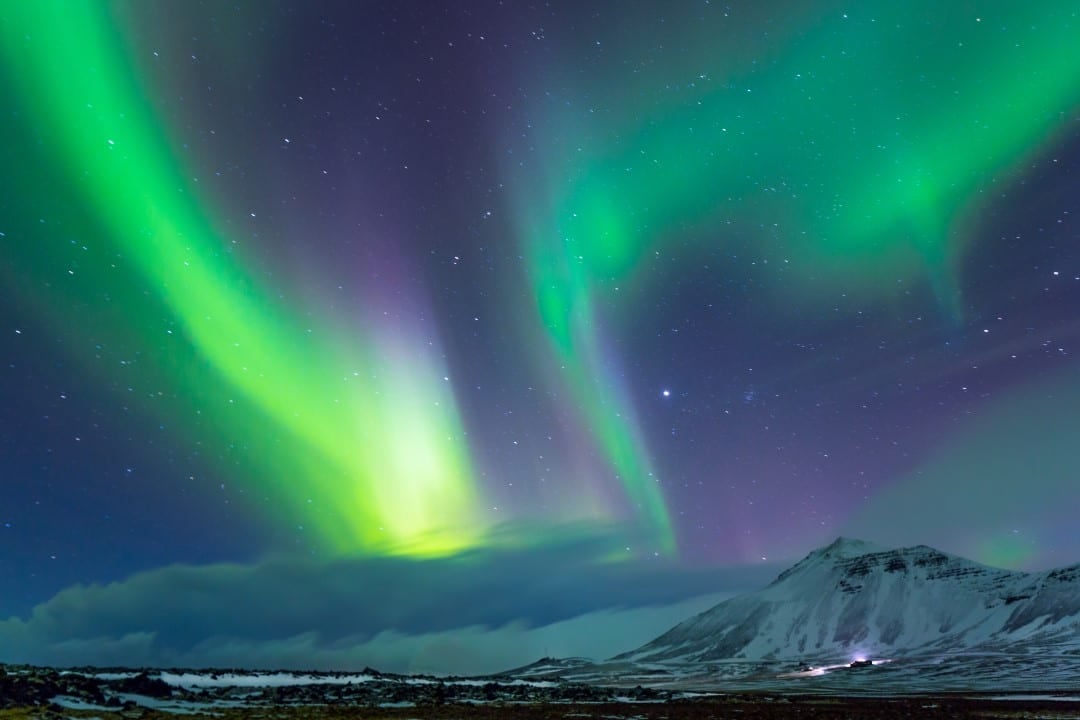
A luminous phenomenon of great intensity took over the night sky above the Japanese research vessel Shirase on the night of March 21, 2026. The atmospheric manifestation formed an extensive milky band that covered the upper area of the ship and reflected directly on the surface of the The event occurred while the crew was sailing off the coast of the Totten glacier, a strategic region for environmental studies. Reporter Nami Sugiura, a member of the mission’s communications team, documented the exact moment the lights reached their peak visibility.
The meteorological and oceanic conditions that night greatly favored observation with the naked eye and the capture of high-resolution images. The sea had a mirrored appearance, without the presence of significant waves, while the vessel remained stabilized in an area of fixed ice. The completely dark and cloud-free sky allowed the contrast of the polar lights to stand out clearly. The vessel’s speaker system had to be activated to alert all researchers and sailors about the magnitude of the event unfolding in the atmosphere.
– The luminous phenomenon gained strength and greater visual definition shortly after 8pm local time.
– The crew and reporting team quickly moved to the vessel’s bridge.
– The stability of the ship in the frozen area guaranteed the necessary sharpness for photographic records.
The presence of the reporting team is part of the sixty-seventh Expedição Japonesa of Pesquisa Antártica, which develops advanced studies on the global climate. The mission operates under a logistical system structured in two round trips between the Australian continent and the polar region. The main objective of the current phase is to monitor physical and chemical changes in the waters close to Antártica Oriental. The ship was carrying out its routine scientific observations when magnetic activity transformed the nighttime scene.
Weather conditions and polar vessel stability
The vessel was practically motionless in the coastal zone, temporarily trapped in an area where the frozen layer does not undergo sudden displacements. Essa immobility occurs due to the absence of strong winds and the lack of rough sea currents on the surface. The silent and static environment created a setting conducive to safe contemplation of the night sky. The technical team took advantage of the calm to carry out internal maintenance before the audible alert.
Shortly after 8pm local time, the voice on the internal communication system interrupted the silence of the corridors to announce the luminous apparition. Muitos members of the scientific team were already expecting the possibility of the event, based on measurements of solar activity carried out hours before. The intensity of the light, however, exceeded the expectations of even meteorologists monitoring the onboard instruments. The warning generated an immediate movement towards the upper decks.
Quickly dressed in a high thermal retention down jumpsuit, the reporter climbed the flights of stairs to the bridge. The darkness at the site was absolute, a safety measure that also prevents artificial light from interfering with astronomical observations. The lack of lighting made it difficult to recognize the faces of expedition colleagues who were already crowded in the space. Mesmo under these conditions, the band of milky light dominated the field of vision of everyone present.
Participants in the scientific mission exchanged technical information and guidance on the best angles while adjusting the parameters of their cameras. The photographic equipment needed to be set up quickly to deal with the low temperature and the need for long exposure. Breath condensed in the cold air mixed with the sound of camera shutters clicking sequentially. Visual recording became a collective priority during the minutes in which the phenomenon reached its peak.
Scientific foundations of light formation at the South Pole
Particles charged with energy from solar storms travel through space and interact directly with the magnetic field of planet Terra. Upon reaching the upper atmosphere, these solar winds collide with gas molecules, resulting in the release of energy in the form of light. In the south polar region, this physical process generates auroras, which appear in different formats and intensities throughout the year. The oxygen and nitrogen present in the atmosphere are mainly responsible for the variations in tone observed with the naked eye.
The altitude at which the collisions occur determines the specific colors that will shine in the polar night sky. Colisões at higher altitudes tends to produce reddish tones, while interactions in lower layers generate the classic greenish and milky bands. The clarity of the Antarctic atmosphere, free from urban pollution and suspended dust, enhances the visual perception of these light emissions. Scientists on board use these visual observations to cross-reference data with the ship’s magnetic sensors.
The calm of the ocean on that particular night added a rare optical element to the atmospheric spectacle. The water’s surface acted like a dark mirror, reflecting the light strip and creating an illusion of infinite depth around the hull. Esse natural mirroring expanded the illuminated area and allowed the photographs to capture the perfect symmetry between the sky and the sea. The double phenomenon provided visual material of high documentary value for the research agency.
Environmental monitoring and ice mass dynamics
The coastal region explored by the expedition represents one of the areas of greatest interest to the international scientific community today. Localizada in the eastern portion of the continent, this immense frozen mass presents melting dynamics that directly influence projections of ocean level rise. Onboard researchers dedicate most of their time to measuring water temperature and analyzing salinity in deep layers. The interaction between warmer sea currents and the base of the ice structure accelerates the process of detachment of blocks. Continuous monitoring of these variables provides essential input for updating global climate models.
The current expedition operates with a logistical system divided into two main navigation stages between Australian territory and the Antarctic coast. Essa strategic division allows for the replacement of crews, the replenishment of vital supplies, and the maintenance of sensitive equipment. The second phase of the mission focuses efforts on collecting samples at specific points in the ocean that present greater thermal vulnerability. The ship acts as a mobile laboratory platform, equipped with high-precision sensors that operate around the clock. The data collected during navigation is transmitted via satellite to processing centers on dry land.
Documentary recording and communication in extreme areas
The presence of communications professionals on board the ship breaks the barrier between raw data collection and civil society understanding. Nami Sugiura, special envoy of the vehicle Asahi Shimbun, works directly in the visual and textual translation of the daily operations carried out by scientists. The photographic record of atmospheric events plays a fundamental role in the historical documentation of human presence on the icy continent. Operar image capture equipment in extreme temperatures requires technical preparation and specific exposure adjustments to avoid freezing the batteries. The almost total darkness of the polar region forces photographers to use long exposure techniques to capture the true essence of the milky strip. The absence of artificial light pollution around the vessel creates the perfect setting for astrophotography and recording magnetic phenomena. The material produced during these nights of observation is part of a vast multimedia database from the Japanese research agency. The images captured on the bridge circulate internationally, illustrating articles about climate dynamics and polar exploration. Essa visual documentation complements the graphs and spreadsheets generated by oceanographic measuring instruments. Journalistic work in inhospitable areas ensures that information about the Antarctic environment reaches the public in a clear and objective way.
Science mission operations schedule
Expedition planning calls for the completion of two complete mapping and data collection routes during the current operational cycle. The first stage of the project was successfully completed at the end of February, ensuring the installation of new underwater sensors. The current phase allows the flow of environmental information to continue, ensuring that there are no gaps in the region’s temperature and salinity records.
Visual impact and reactions from the research team
The vessel’s strategic position created the ideal environment for prolonged and detailed observation of the atmospheric event. Diferente On other occasions when the lights disappear in a matter of seconds, the spectacle maintained its intensity for several consecutive minutes. The extended time allowed professionals to test different lenses and exposure times on their photographic equipment. The team’s patience was rewarded with images of the highest technical quality.
Conversations on the bridge reflected fascination with the scale of the natural phenomenon that covered the horizon. The striking contrast between the dark outline of the ship’s structure and the intense glow in the sky yielded unique photographic compositions. The shared experience strengthened the morale of the crew, who face exhausting work routines in one of the most isolated environments on the planet.
Continuity of research on the ice continent
Daytime water sampling and ice drilling activities returned to normal in the hours following the light event. The scientific team maintains a rigorous focus on research protocols, ensuring that the oceanographic measurement schedule is fully adhered to. Recording natural phenomena serves as a valuable complement to the main technical work carried out throughout the trip.
The vessel follows its scheduled coastal navigation route, advancing through areas mapped for the installation of new telemetry equipment. The information generated daily feeds international databases dedicated to the study of ocean currents and the polar atmosphere. The mission reaffirms the ongoing commitment to producing cutting-edge scientific knowledge in extreme geographic conditions.