Chinese manufacturer Xpeng launches electric SUVs in Mexico and plans to double international sales
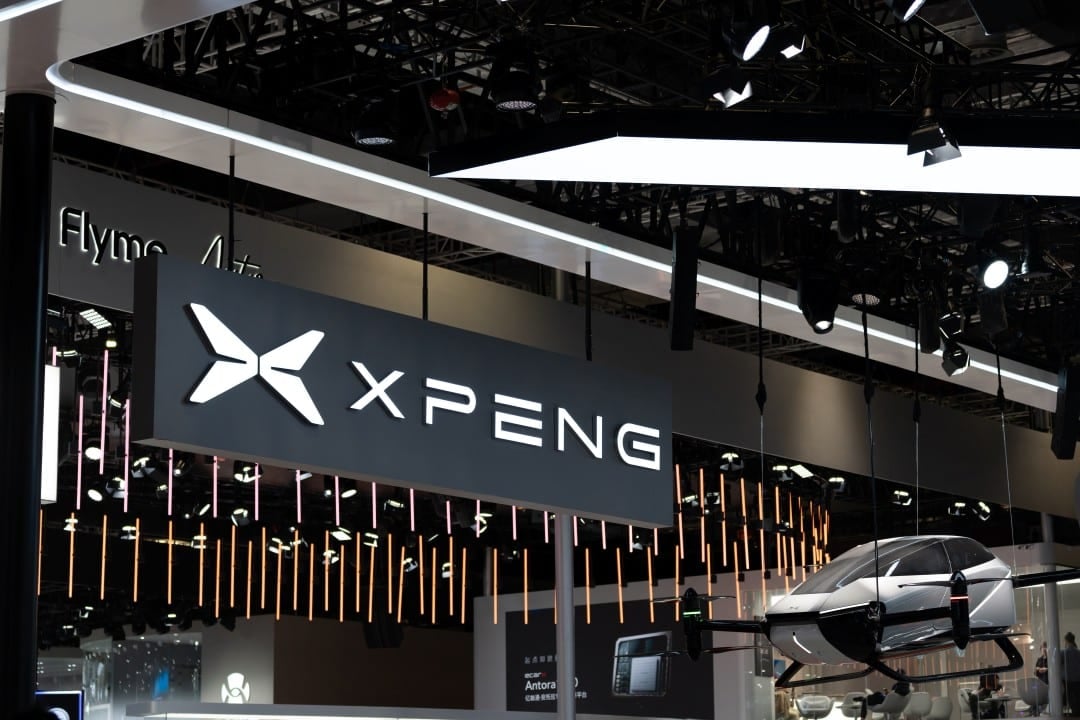
The Asian new energy vehicle manufacturer officially began its commercial operations in the Latin American market at the end of March. The formal presentation took place with the introduction of two cutting-edge sports utility vehicles, marking a decisive step in the company’s internationalization strategy. The launch event brought together industry experts and demonstrated the brand’s commitment to establishing a robust physical presence outside of its home continent.
The strategic move is part of a global market diversification plan, designed to reduce exclusive dependence on internal Asian trade. Intense local competition between battery-powered car manufacturers has forced the search for new frontiers of consumption, where the demand for clean mobility presents accelerated growth curves. International expansion has become an absolute priority for the long-term financial sustainability of the operation.
Mexican territory functions as a fundamental gateway due to its privileged geographic position and current trade agreements. The installation of operations in the country serves as a laboratory for adapting products to the specific demands of Western drivers. The experience gained in this initial phase will dictate the pace and format of future forays into neighboring countries that share similar consumption profiles.
Commercial strategy and regional positioning
The choice of location to begin international operations did not occur randomly. The country is home to one of the largest automotive manufacturing and assembly hubs in the world, offering an established supply chain and highly qualified workforce for the mobility sector. Essa pre-existing infrastructure facilitates import logistics and distribution of essential components for fleet maintenance.
The local logistics network allows for easy flow both to northern markets and to other Latin nations. The automaker plans to use this operational base to deeply understand consumer behavior and adjust its marketing campaigns before more aggressive expansion. Establishing partnerships with regional suppliers is also on the board’s radar to optimize operational costs.
Company executives highlighted that the region gains immediate relevance in corporate growth plans. The central objective is to transform the recently launched operation into a strategic distribution center, facilitating the logistics of spare parts and the continuous training of technical teams. The proximity to technological innovation centers also favors the constant updating of systems embedded in vehicles.
The goal established by the company’s management involves increasing the share of foreign markets to around 20% of the company’s total revenue. Para reaches this level of revenue, the pricing strategy and the offer of technology packages will be dynamically adjusted according to the public’s initial response and the movement of competing brands already established in the region.
Technical specifications and utility innovations
The models introduced represent the brand’s latest line of technological development, combining high-voltage electrical architecture with advanced driver assistance systems. The mid-size sports utility vehicle, with a coupe-style design, focuses on dynamic performance and aerodynamic efficiency, attracting a consumer profile that values sportiness without compromising sustainability. A arquitetura de 800 volts permite recargas ultrarrápidas, minimizando o tempo de espera nas estações de abastecimento e otimizando a experiência de viagens longas, um fator crítico para a aceitação de veículos elétricos em novos mercados que ainda desenvolvem suas redes de energia.
The second vehicle presented operates in a higher segment, offering increased dimensions and a level of finish aimed at the premium market. The generous interior space is complemented by high-quality materials and an infotainment system centered on high-resolution screens. The automaker’s engineering dedicated special attention to acoustic insulation and suspension comfort, features demanded by families and executives looking for a sophisticated alternative to traditional internal combustion-powered vehicles. The integration of state-of-the-art sensors guarantees constant monitoring of the vehicle’s perimeter, raising the active and passive safety standards offered to occupants.
Software adaptations and regulatory compliance
The introduction of high-tech vehicles on a new continent requires a rigorous process of calibrating and localizing operating systems. The engineering team carried out in-depth modifications to the cars’ connectivity, ensuring that the communication modules operate seamlessly with local telecommunications networks, avoiding failures in the transmission of telemetry data. Além In addition, autonomous driving assistants have undergone algorithmic retraining to recognize specific road signs, traffic patterns and pedestrian behavior in the region. The user interface has been fully translated and culturally adapted, while the battery thermal management systems have received software updates to deal with the extreme weather variations found at different altitudes across the territory. Todo this technical effort aims to guarantee compliance with road safety and electromagnetic emissions standards, establishing a standard of reliability that the brand considers essential to build a solid reputation outside its country of origin and guarantee the satisfaction of first buyers.
Charging infrastructure and support network
The commercial viability of new utilities directly depends on the availability of reliable and affordable charging points. The automaker began mapping existing public and private charging networks, seeking to ensure the absolute compatibility of its plugs and communication protocols with equipment already installed on highways and urban centers.
The implementation plan includes structuring an initial after-sales network capable of handling complex diagnostics and repairs on high-voltage systems. The training of local technicians is an absolute priority, avoiding bottlenecks in servicing the first owners and ensuring the immediate availability of essential spare parts for preventive and corrective maintenance.
To facilitate understanding of the technical adaptation steps, the company established clear operational guidelines for its field team:
– Homologação of software for integration with local charging infrastructure.
– Certificação strict safety and electrical standards required by transport authorities.
– Estruturação of authorized and equipped service centers in the main capitals of the country.
Financial goals and export volume
Financial support for this international expansion derives from the first recent quarterly profit reported by the company in its official balance sheets. Esse positive result provided the necessary liquidity to invest heavily in maritime logistics, international marketing campaigns and the establishment of structured corporate branches abroad.
The manufacturer’s export volume reached the mark of 45 thousand units in the previous year, demonstrating promising initial traction. The official projection indicates the intention to double this number in the short term, driven by the opening of new direct sales channels and the gradual acceptance of recently launched models by fleet owners and end consumers.
Dynamics of the electric mobility sector
The advance in the adoption of battery-powered vehicles occurs progressively, stimulated by public policies to reduce pollutants and the expansion of infrastructure in large urban centers. The consolidated automotive hub attracts continuous investment from companies that see real opportunities for exporting and meeting the growing domestic demand for clean mobility.
The arrival of new Asian competitors intensifies the fight for market share, forcing traditional brands to accelerate their own fleet electrification schedules. Local consumers are the main beneficiaries of this movement, gaining access to a diverse portfolio of technological options with modern design and a focus on extended autonomy.
Next steps of commercial operation
The company begins its activities with modest import volumes, prioritizing the quality of customer service and the careful construction of the brand’s image in the new territory. The projected growth will occur in a consistent and planned manner, accompanying the physical expansion of the dealership network and the consolidation of public trust in the products and services offered by the automaker.