New POCO F8 Ultra hits the market with 50 MP lens and transforms mobile night photography
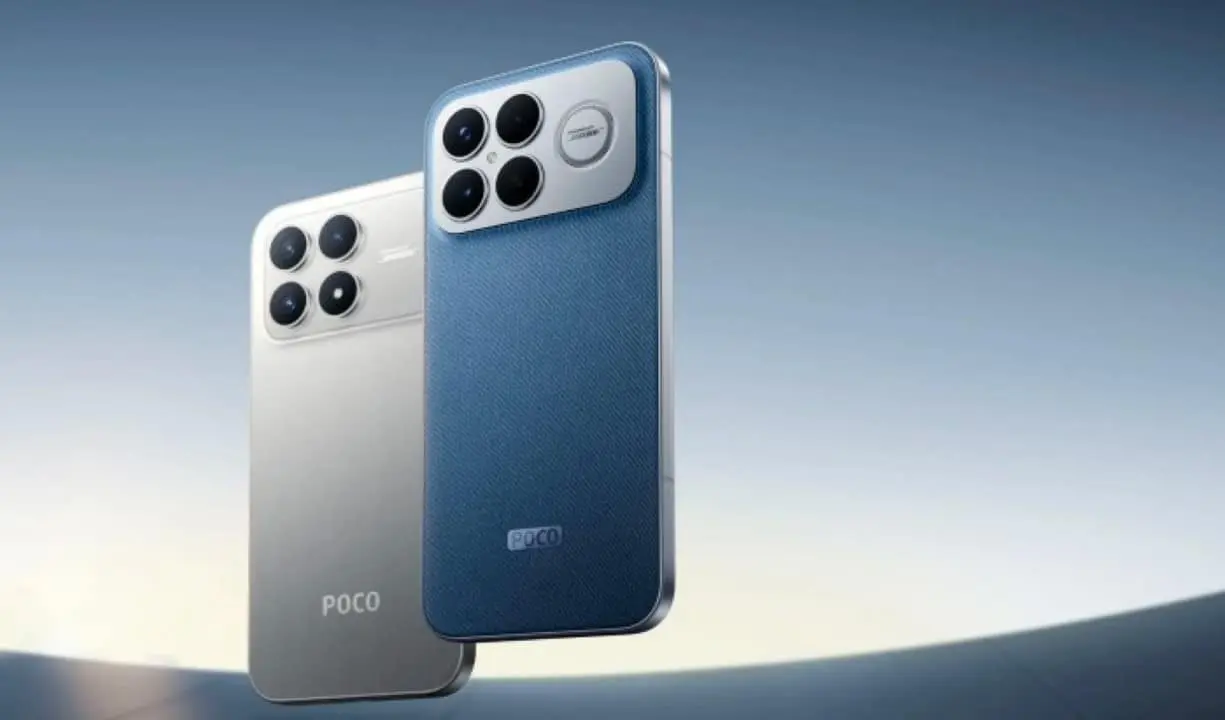
The global mobile device industry records significant technical movement with the launch of the latest smartphone in the POCO line. The F8 Ultra model arrives on the international market, setting a new standard for the intermediate device category, especially in the image capture segment in low light environments. The Asian manufacturer has implemented an optical set that challenges specifications traditionally reserved for high-cost equipment, changing consumers’ perception of value.
The core component of this hardware upgrade is the 50-megapixel main lens, designed specifically to maximize light input and reduce grain in night photos. Engenheiros from the brand have integrated an optical image stabilization system that acts directly to compensate for mechanical tremors during shutter release. Essa technical feature allows the sensor to remain exposed for longer without compromising the sharpness of the photographic record, capturing details that previously went unnoticed.
Technology experts point out that the strategy of democratizing advanced photographic resources changes the dynamics of competition in the telephone sector. The recently launched equipment meets a growing demand from users who seek professional image quality without the need to invest in top-of-the-line models, forcing other companies to review their product portfolios.
Technical advances in light capture and stabilization
The development of the camera module required a physical restructuring of the device’s chassis to accommodate the larger sensor. The 50 MP lens architecture operates with an optimized focal aperture, which results in superior photonic absorption when compared to previous generations of the same device family. Durante capture in night scenes, the hardware uses a pixel grouping technique, merging adjacent points to form a superpixel that captures more details and accurate colors, even with scarce lighting sources or diffuse artificial lights on public roads.
Optical stabilization works in conjunction with high-precision internal gyroscopes that detect the movement of the user’s hands in fractions of a second. When identifying the tilt, the electromagnetic system moves the set of lenses in the opposite direction, nullifying the vibration before it reaches the image sensor. Este mechanical mechanism drastically reduces the rate of blurry photos and improves fluidity when recording videos in motion, delivering a visual result that is close to productions made with dedicated professional filming equipment.
Algorithm-driven image processing
In addition to the innovations in physical hardware, the smartphone’s central processor houses a neural processing unit dedicated exclusively to image processing. Este secondary chip performs trillions of mathematical operations at the exact moment the user presses the virtual camera button.
The artificial intelligence software analyzes the scene in real time, identifying elements such as faces, urban textures, vegetation and the night sky. Based on this data reading, the system applies automatic contrast, saturation and white balance corrections separately for each region of the photograph.
One of the features most demanded by consumers and implemented in this model is multiframe noise reduction. The device instantly captures a sequence of images with different exposure levels and superimposes them, discarding imperfections and keeping only the cleanest and most defined visual data.
The camera app interface has also been redesigned to offer advanced manual controls. Fotógrafos experts can adjust parameters such as shutter speed and ISO sensitivity, ensuring full creative control over the final result of the image captured in professional mode.
Direct impact on the global supply chain
The mass adoption of high-resolution photographic sensors in mid-range smartphones is causing a profound reconfiguration of the semiconductor logistics and manufacturing chain in Ásia. Fábricas specialized in the production of lenses and image chips needed to adapt their assembly lines to meet the significant volume of orders generated by the launch of the new device. The transition requires heavy investments in precision lithography machinery and clean rooms with rigorous particle control, as the manufacturing of 50 MP sensors does not tolerate microscopic margins of error. Fornecedores of optical components report that sustained demand for these parts is accelerating the development of new glass alloys and transparent polymers, materials essential for ensuring the clarity of light passing through the lens assembly. Consequentemente, pressure on delivery times forces logistics companies to optimize air and sea transport routes, ensuring that final assembly centers receive inputs without interruptions that could paralyze the global distribution of the product in retail networks.
Price reconfiguration in the technology sector
The arrival of equipment with robust photographic specifications at an affordable price forces a review of price lists across the industry. Consumidores begin to question the cost-benefit of premium devices that offer similar image capabilities for substantially higher prices in official stores.
Market analysts note that the reduced profit margin strategy adopted by the manufacturer aims to quickly gain market share. Essa aggressive pricing tactic establishes a new technical requirement floor for any smartphone that intends to compete in the same commercial value range.
To illustrate the specifications that have now become standard, the following technical points required by the current market stand out:
– Sensores main ones with a minimum resolution of 50 megapixels.
– Estabilização imaging optics integrated into the physical hardware.
– Nighttime Processamento based on advanced neural networks.
– Lentes with anti-reflective coating for direct light sources.
Adaptation from competing manufacturers
Rival brands are already demonstrating moves in their research and development departments to respond to the rise in technical standards. The product update cycle, which used to be annual, is being strategically shortened to avoid losing relevance on physical retail shelves and e-commerce platforms.
Many companies choose to establish partnerships with traditional camera manufacturers to guarantee the quality of their own sensors. Essa technological race directly benefits the end user, who now has access to cutting-edge innovations in an increasingly shorter period of time and with more controlled costs.
Change in mobile device user profile
The behavior of those purchasing new smartphones reflects an almost absolute prioritization of camera quality to the detriment of other secondary functions. The production of content for digital platforms requires tools capable of delivering clear photos and videos regardless of the lighting conditions of the user’s environment.
The ease of taking nighttime recordings without the need for tripods or external lighting transforms the way social events and cityscapes are documented on a daily basis. Embedded technology eliminates the technical learning curve, allowing anyone to capture complex images just by pointing the lens and releasing the shutter.
Commercial availability of new devices
The smartphone’s distribution schedule foresees the simultaneous arrival in the main markets of Ásia, Europa and Américas over the next few weeks. Retail chains prepare reinforced stocks to meet initial demand, while telephone operators structure loyalty plans linked to the acquisition of advanced photographic equipment, aiming to attract customers interested in updating their old devices.