Bajaj’s new urban motorcycle features ABS brakes and a performance of 50 km/l for less than R$15,000
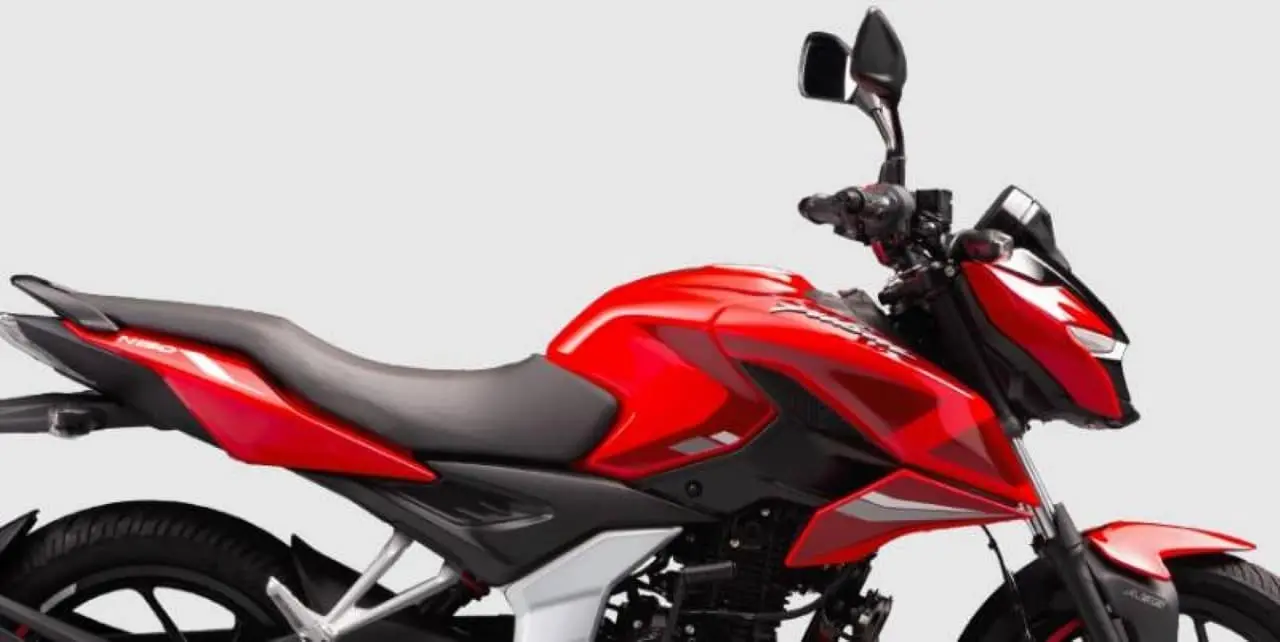
The Asian manufacturer The model arrives at dealerships with the proposal of combining low acquisition costs with high energy efficiency, meeting the demand of workers and delivery people who are looking for economic alternatives. With the current minimum wage set at R$1,621, the strategic pricing of the vehicle aims to facilitate access to credit for the middle-income population, offering a viable option for those who need their own means of transport for daily travel or to generate income.
The industrial design prioritizes structural agility and driver safety on heavy traffic roads. Key highlights of the launch include the following technical features:

– Sistema advanced braking for entry category
– Painel of instruments with integrated digital connectivity
– Conjunto high visibility optics for night driving
– Motorização calibrated specifically for fuel economy
The two-wheeled vehicle appears at a time of high competitiveness in the automotive sector, offering technical specifications that normally only appear in higher categories. The automaker is betting on a closed factory package to attract consumers who rigorously calculate their monthly transportation and maintenance expenses.
Mechanical architecture and thruster power
The vehicle’s central structure is powered by a 149.5 cubic centimeter engine, equipped with an electronic injection system developed to optimize the burning of the air-fuel mixture. The engine generates a maximum power of 14.5 horsepower at 8,500 revolutions per minute, accompanied by a torque of 1.38 kgfm at 6,000 revolutions.
The five-speed manual transmission brings appropriate scaling for the urban environment, allowing consistent speed pick-ups and linear accelerations at traffic lights or busy intersections. Air cooling acts continuously to keep the block temperature stable, even during long periods of idling in traffic jams.
Embedded technology and active safety
The suggested price of R$ 14,990 positions the motorcycle aggressively compared to traditional options already established on the streets. The cost-benefit ratio is based on specific factory characteristics that add value to the final product without excessively increasing large-scale production costs.
The brand adopts the policy of delivering a complete vehicle from the entry-level version onwards, eliminating the need for expensive optional packages. Entre The technological differences included in the base price include the single-channel ABS braking system, which acts on the front wheel to prevent locking during emergency braking on slippery surfaces.
The technological package also includes full LED lighting with a projector headlight, ensuring greater light range at night. The digital instrument cluster offers connectivity via Bluetooth, while a strategically placed USB port allows charging of mobile devices on the go.
Autonomy and reduction of operating costs
Fuel consumption represents the model’s main technical attraction, recording averages that vary between 48 and 50 kilometers per liter on strictly urban routes. Esse index translates into an operating cost of approximately R$0.12 per kilometer driven, easing the budget of those who generate income through motorcycles.
The storage tank holds up to 14 liters of gasoline, providing a theoretical range that can reach 700 kilometers with a single fill. Essa extended capacity drastically reduces the need for frequent stops at gas stations, optimizing working time for delivery professionals.
The engine’s thermal efficiency remains constant even when the vehicle travels at average speeds of 40 to 60 kilometers per hour, the standard pace for municipal expressways. The digital panel assists the driver by displaying instantaneous consumption data, allowing adjustments in the way of accelerating to maximize daily savings.
Running tests indicate that the reduction in operating expenses can reach a significant margin when the vehicle is compared to older models that record lower averages. The positive financial impact makes fleet renewal a mathematically viable option for motorcyclists who travel long distances daily.
Physical structure and directional stability
The perimeter tube chassis was designed to offer high levels of torsional rigidity without compromising the total weight, which reaches 145 kilograms in running order. In the front suspension, the 31 mm telescopic fork has specific calibration to absorb the impacts caused by holes and unevenness common in urban asphalt, ensuring rider comfort during long journeys and reducing muscle fatigue in the arms after hours of continuous riding.
At the rear, the adjustable monoshock damping system provides the flexibility necessary for the driver to adapt the spring stiffness according to the load carried or the presence of a pillion. The set rolls on 17-inch light alloy wheels, shod with tires measuring 90/90 at the front and 120/80 at the rear, measures that ensure grip and directional stability in different weather conditions, providing greater control in tight curves and evasive maneuvers.
Expansion strategy and service network
The manufacturer carries out an aggressive commercial capillarity plan, currently operating with dozens of points of sale strategically distributed throughout the country’s main metropolitan regions. The corporate objective involves expanding the service infrastructure in the coming years, gradually advancing to medium-sized cities in the interior of the states. Para To sustain this growth, the brand invests heavily in the technical training of local mechanics, ensuring that specialized staff are able to carry out accurate diagnoses and preventive maintenance quickly. The supply of spare parts is ensured by regional distribution centers that operate with short logistical deadlines, supplying authorized workshops in the capitals. Nationalized production in the industrial hub of
Ergonomics and usability in traffic
Initial reports of use highlight the ease of driving and the ergonomic positioning of the seat, fixed 790 millimeters from the ground, a feature that facilitates foot support for motorcyclists of different heights. The lightness of the directional set allows quick changes of trajectory in traffic corridors, increasing the driver’s passive safety during journeys during peak hours.
Review plan and technical support
The maintenance schedule stipulated by the automaker requires scheduled stops every 3,000 kilometers driven, with an average overhaul cost set in the range of R$250. The price includes the change of essential fluids, such as engine oil, and the rigorous inspection of components subject to natural wear, such as brake pads and the transmission ratio.
The factory warranty covers manufacturing defects for a period of two years, providing legal security to the owner from the moment of collection at the store. The availability of fast-turning parts on dealership shelves minimizes motorcycle downtime, a critical factor for those who use the vehicle as a daily work tool and depend on the machine in perfect condition to keep their source of income active.