Oil prices reach US$115 and record the highest monthly increase in decades; markets on alert
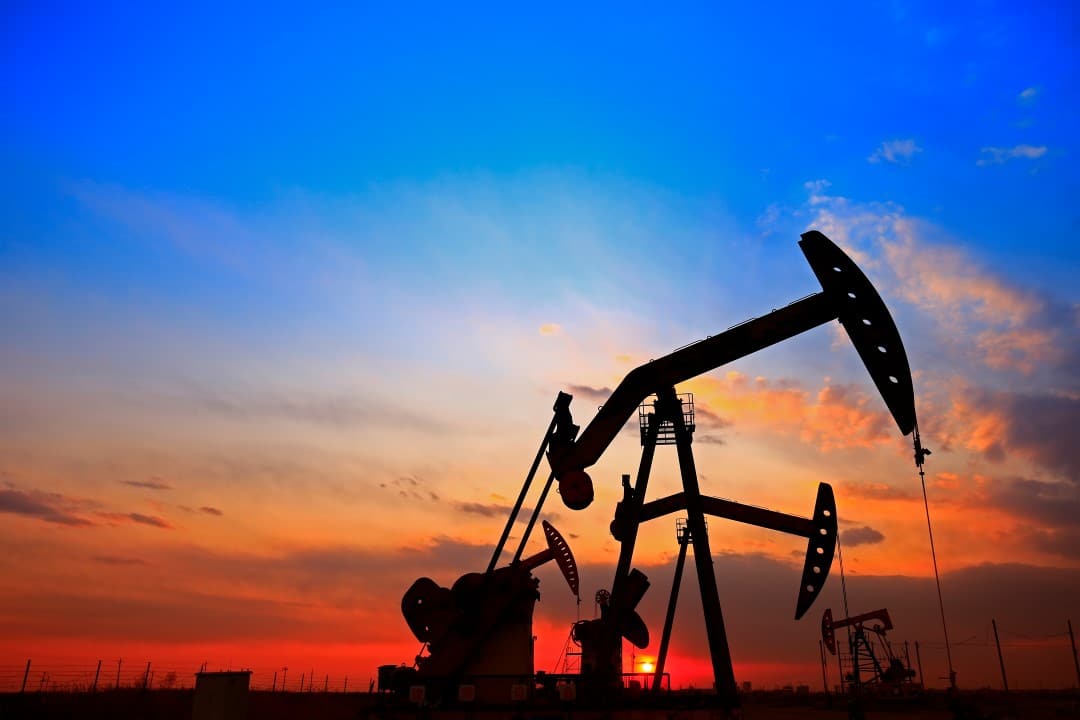
Crude oil registered a significant increase this Monday, with a barrel trading close to US$ 115, consolidating a monthly appreciation of 59%, the highest since 1990. The Agência Nacional of the Petróleo (ANP) assured, however, that the supply of diesel in the Brasil is guaranteed until the end of April, seeking to calm the domestic market amid international instability. The conflict in the region has been the main catalyst for this rise in energy prices, boosting inflation and raising the risks of an economic slowdown in different parts of the world, affecting everything from Asian stock markets to forecasts on interest rates in developed economies.
Brent oil, one of the main global indicators, reached US$116.5 per barrel in the first hours of trading of the day, up 2.07%, closing at US$114.90. Paralelamente, West Texas Intermediate (WTI), a reference in the American market, also advanced, rising 1.68% to US$ 101.31.
The observed volatility reflects investors’ nervousness about the possibility of interruptions in global supply, a scenario that is worsened by uncertainty about the evolution of the conflict and its ramifications for energy trade routes and production chains.
Geopolitical tensions and their consequences
The conflict in Oriente Médio remains the main driver of oil appreciation. Instability in the region has intensified fears that energy production and transportation could be compromised, generating a ripple effect across the global economy. Este An uncertain environment leads markets to price risk more sharply, with direct impacts on the costs of several essential commodities and products.
The rise in oil prices is a critical factor for inflation, since the cost of energy directly affects the production and logistics chain on a global scale. Governos and central banks are closely monitoring the situation, assessing the potential for an economic slowdown resulting from the increase in fuel and energy prices in general. Global dependence on Oriente Médio oil makes the region a point of extreme sensitivity for the world economy, dictating, in many cases, the mood of the markets.
Diesel supply and amplified concerns
In response to domestic concerns and the volatile international situation, the Agência Nacional of the Petróleo (ANP) issued a statement this Monday, guaranteeing that the country’s diesel supply is assured until the end of April. Esta declaration aims to mitigate the immediate impact of the international rise in fuel prices on the Brazilian economy, which is heavily dependent on diesel for cargo transportation, agriculture and various industrial sectors.
Despite the ANP’s guarantee for the short term, global prospects continue to generate considerable apprehension. The rise in oil and natural gas prices is not an isolated phenomenon; it extends to other crucial inputs linked to energy and industry, such as fertilizers, plastics and aluminum. Essa tendência de encarecimento tende a se espalhar por diversas cadeias produtivas, elevando os custos de transporte e produção em larga escala, desde a fabricação até a distribuição final.
As a result, analysts predict possible increases in essential items such as food and medicines, as well as various petrochemical products. Aluminum, for example, rose to its highest point in four years following reports of Iranian airstrikes on two key Oriente Médio producers over the weekend, illustrating how quickly regional instability is directly reflected in global commodity markets and living costs.
Diverse reactions in global markets
Global financial markets responded with significant volatility to geopolitical instability. Asian stock markets, notoriously more susceptible to fluctuations in oil exported by Golfo Pérsico countries, recorded significant and widespread falls. The Nikkei index, on the Tóquio stock exchange, closed the day with a decline of 2.8%, reflecting the deep concern of investors in the region about the impact on their economies, which are highly dependent on energy imports.
On the European continent, markets showed a partial recovery throughout the day, with stock markets advancing around 0.6% after steeper initial losses. Esse movement suggests an attempt to absorb the shock and seek some stability. Nos Estados Unidos, the futures contracts of the main indices indicated a moderate opening higher, after a sequence of recent falls, signaling a cautious hope of stabilization and the resilience of some sectors.
Uncertainty about the unfolding of the conflict and its consequences keeps investors on high alert, seeking refuge in assets considered safer and reevaluating their capital allocation strategies. Market dynamics show how the energy issue is intrinsically interconnected with global financial stability, requiring constant monitoring and agile risk management strategies on the part of all actors involved.
Strait of Ormuz: a critical point for trade
The attention of global investors and governments is focused on the Estreito of Ormuz, a vital maritime route for global energy trade. Aproximadamente one-fifth of the oil and liquefied natural gas (LNG) transported worldwide passes through this strait, making it a strategic bottleneck of immense economic and geopolitical importance. Qualquer significant disruption to traffic through this crossing would have severe and immediate consequences for global energy supplies.
The president of the Estados Unidos, Donald Trump, intensified pressure on the Irã through social media, demanding the reopening of the Estreito from Essa stance further increases the level of tension in the region, with the risk of military escalation. Enquanto this, the Paquistão announced its intention to host negotiations in the coming days to try to mediate the conflict, and the Iranian government, in turn, accused the Estados Unidos of preparing a possible ground offensive, while at the same time reinforcing its military presence in the area, increasing the complexity of the scenario.
Analyst predictions and future scenarios
Eren Ele believes that the reopening of Estreito from Ormuz would be crucial to reducing volatility in the markets, restoring investor confidence. Contudo,
Bruce Kasman, global chief economist at JPMorgan bank, warned that a prolonged closure of Estreito from Segundo your estimate, if the passage remains blocked for another month, the price of oil could approach US$ 150 per barrel, a level that would not only impact the consumer’s pocket, but would also impose severe restrictions on energy consumption by the global industry, which could lead to rationing and a widespread economic slowdown.
Inflation and monetary policy highlighted
Soaring oil prices intensify concerns about global inflation, a specter that haunts world economies. Esse complex scenario leads investors and policymakers to anticipate that interest rates may be maintained at high levels for longer in several economies around the globe. Central banks, including the Federal Reserve (Fed) in the Estados Unidos, face the delicate challenge of balancing inflation control with maintaining economic growth.
The president of Federal Reserve, Jerome Powell, has a schedule of statements scheduled for this Monday, where he must address the current economic scenario, while the president of Fed of Throughout the week, the release of crucial data on U.S. retail sales, manufacturing activity and job creation is expected to provide new insights into the strength and direction of the U.S. economy. Turbulence in markets generally strengthens the dollar, perceived as a safety asset in times of uncertainty. The dollar index operates close to a ten-month high, at 100.25 points, although at Japão, warnings from authorities about possible exchange rate intervention led the dollar to retreat to 159.5 yen.