Leak reveals details of the Oppo Watch X3 Mini smartwatch with a focus on compact design and Amoled screen
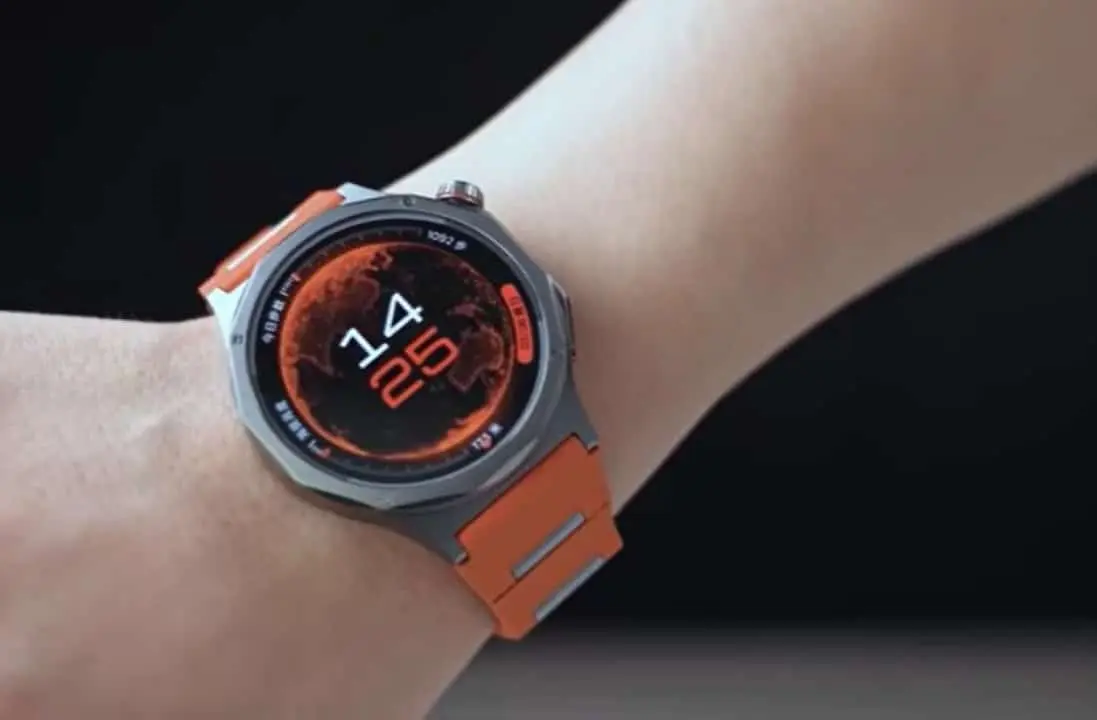
The electronics manufacturer is preparing to launch a new device aimed at the high-end smart wearables market. Recent Informações indicate the development of a smaller version of its main line of watches, seeking to serve consumers who prefer less bulky devices on the wrist. The equipment appears as a direct alternative to traditional models, offering advanced specifications in a reduced structure.
The development of this device comes at a time of transition in the personal technology sector, where the demand for continuous comfort is gaining relevance. The central proposal of the new smart watch involves maintaining precision sensors and processing capacity, without the weight characteristic of previous generations. Engenheiros of the brand focused on ergonomics to ensure uninterrupted use during the day and night.

The commercial strategy points to an expansion of the portfolio before the official arrival of the main series in stores. The compact model must inherit the company’s main software advances, ensuring efficient synchronization with the ecosystem of smartphones based on the most widely used mobile operating system on the market.
High-resolution screen and lightweight materials
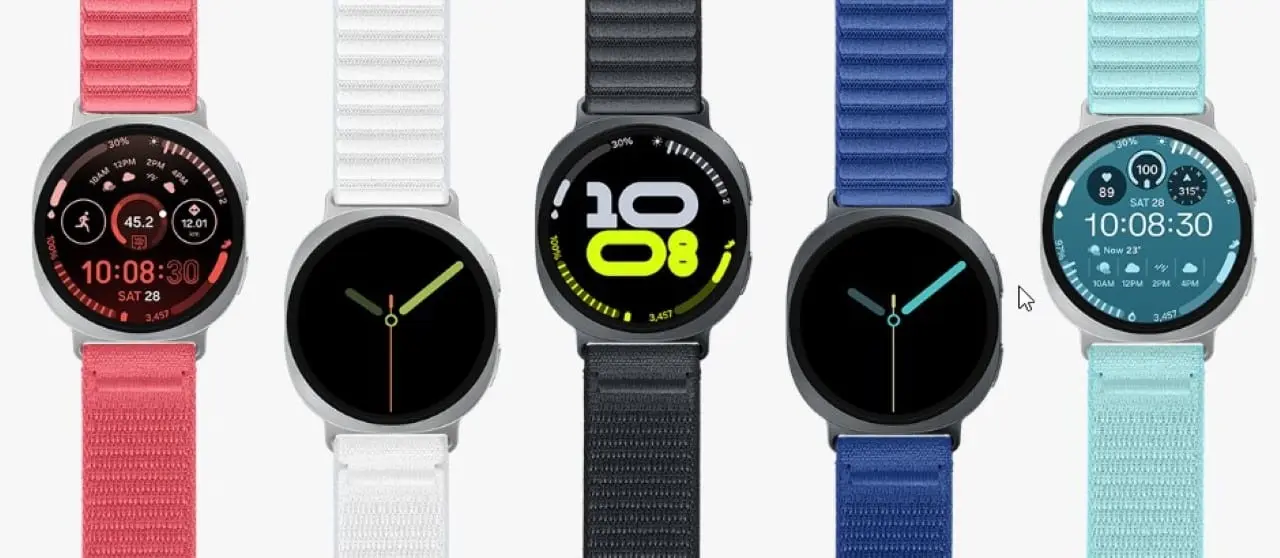
The visual design of the equipment prioritizes discretion and functionality, using a screen with active matrix technology of organic light-emitting diodes. The display must measure between one inch and three tenths and one inch and four tenths, a size considered ideal for fast navigation without compromising aesthetics. The graphical interface underwent rigorous adaptations to display notifications and metrics in a readable way in the reduced space.
To achieve the necessary weight reduction, the external structure employs aerospace-grade metal alloys and high-strength polymers. Essa combination of materials protects internal components against daily impacts and exposure to liquids, maintaining water resistance certification. The standard band uses hypoallergenic silicone, specifically designed to prevent skin irritation during sports or sleep monitoring.
Advanced sensors for everyday health
The watch’s internal architecture houses an updated set of biosensors capable of recording physiological data with high precision. Continuous heart rate monitoring works in conjunction with a pulse oximeter, allowing blood oxygen saturation levels to be read in real time. Esses Data feeds proprietary algorithms that assess the user’s fitness over the weeks.
Sleep tracking represents one of the functional pillars of the device, taking advantage of the compact format that does not disturb you during rest. The system automatically identifies the phases of light, deep sleep and rapid eye movement, generating detailed reports in the morning. Profissionais health professionals often highlight the importance of these metrics for maintaining overall well-being and preventing chronic disorders.
In addition to traditional measurements, the software includes tools for controlling daily stress, based on heart rate variability. The device suggests guided breathing exercises when it detects tension spikes, helping the user’s mental recovery. Todas The information collected is encrypted and stored locally before synchronizing with the main application on the cell phone.
Energy performance and connectivity
Battery autonomy is one of the main points of attention in the development of small-sized wearables. Para To circumvent the physical space limitation for the power cell, the manufacturer implemented a dual architecture processor. Esse component switches between a high-performance core for complex tasks and a low-power core for constant time display and basic sensor reading.
The brand’s proprietary fast charging system was adapted for this model, allowing a large part of the charge to be recovered in a few minutes at the socket. Essa technology reduces the need to leave the device plugged in for long periods, facilitating the routine of those who use the watch to monitor their sleep. The magnetic charging base has a minimalist design that follows the aesthetics of the main product.
In terms of communication, the device supports high-speed wireless networks and low-latency pairing protocols. The inclusion of an independent global positioning module allows accurate recording of routes during runs and walks, without the need to carry your smartphone. Essa Independence especially attracts people focused on outdoor physical activities.
The most complete version of the watch must support virtual chips, enabling phone calls to be made directly from the wrist. Microfones noise canceling features and a built-in speaker ensure audio clarity even in busy urban environments. Integration with virtual voice assistants expands the possibilities for controlling smart home devices through simple commands.
Software and interface optimization
The user experience on smaller screens requires a complete redesign of the graphical interface to avoid accidental touches and frustration. The developers created a navigation system based on wide gestures and high-contrast icons, making it easy to read in direct sunlight. The organization of the menus prioritizes the most frequently accessed functions, such as starting physical training, checking recent messages and controlling media playback. The underlying operating system, possibly a customized version of the Google wearable platform, grants access to a vast third-party app store, expanding the device’s usefulness far beyond its factory settings. The fluidity of the animations and the haptic feedback of the internal vibration motor contribute to a premium product feel.
Data synchronization occurs invisibly in the background, ensuring that the dashboard on your smartphone is always up to date. The companion app offers detailed graphs and historical trends, allowing the user to better understand their physical evolution over the months. The manufacturer has also invested in regular security updates to protect personal information against unauthorized access. Integration with other companies’ healthcare platforms makes it easy to centralize medical data in a single location. Essa open approach strengthens the device’s position in a highly competitive market where customer retention depends on the ease of use and reliability of the software ecosystem.
Commercial strategy in the wearables sector
The introduction of a smaller variant to the smartwatch lineup reflects a significant shift in personal technology consumer behavior. Nos In recent years, the industry has focused on increasing the size of screens and adding massive batteries, resulting in devices that often looked disproportionate on thinner wrists. By recognizing this gap, the company seeks to capture a market share made up of users who value classic watchmaking aesthetics combined with modern functionalities. Distribution planning indicates an initial launch in selected Asian markets, where the brand has a strong presence and established support infrastructure. Posteriormente, the expansion to Europa and Américas will occur gradually, accompanied by marketing campaigns focused on active lifestyle and fashion. The pricing of the new model should position it aggressively against direct competitors, offering top-of-the-line features for slightly less than larger models. Analistas point out that this size diversification tactic was fundamental to the success of other technology giants and is now becoming a mandatory standard for survival in the wearable segment. The miniaturization capacity of electronic components has reached a level where it is no longer necessary to sacrifice performance for the sake of design, allowing the creation of devices that integrate perfectly into everyday life without attracting excessive attention.
Store availability expectations
The manufacturer’s supply chain has already started mass production of the components necessary for the final assembly of the equipment. Vazamentos of registrations with telecommunications certification bodies confirm that the device is in the final stages of regulatory compliance testing. The official announcement is expected to take place during a global brand event, accompanied by the unveiling of new smartphones and wireless headphones, consolidating the company’s product ecosystem.
Adaptation to the sports audience
Amateur and professional athletes represent a crucial target audience for the commercial success of this new equipment. The integrated software has dozens of physical activity profiles, from street running and swimming to winter sports and strength training in gyms. The watch uses specific algorithms to calculate calorie expenditure and ideal recovery time based on the intensity of each exercise session.
The structural resistance of the device was tested in extreme temperature and humidity conditions, ensuring operation in hostile environments. The screen has a scratch-resistant tempered glass layer, essential for outdoor activities where contact with rough surfaces is frequent. The lightweight design prevents the device from shaking on the wrist during sudden movements, improving heart rate reading accuracy.
Evolution of miniaturized technology
Advances in semiconductor manufacturing have allowed the consolidation of multiple sensors onto increasingly smaller circuit boards. Essa Miniaturization is what makes it possible to have a compact smart watch without losing essential features. Thermal engineering also plays a vital role, dissipating the heat generated by the processor through the metallic structure of the chassis, preventing overheating during intense GPS use.
The downsizing trend in wearables indicates the future path of personal computing, where technology becomes invisible and seamlessly integrated into the human body. The continued development of solid-state batteries and flexible displays promises to further revolutionize this sector in the coming product cycles. With this launch, the manufacturer demonstrates its research and development capacity to remain relevant in a scenario of rapid technological innovation.