Food sector registers increase in search for fiber and plans to replace protein in the market
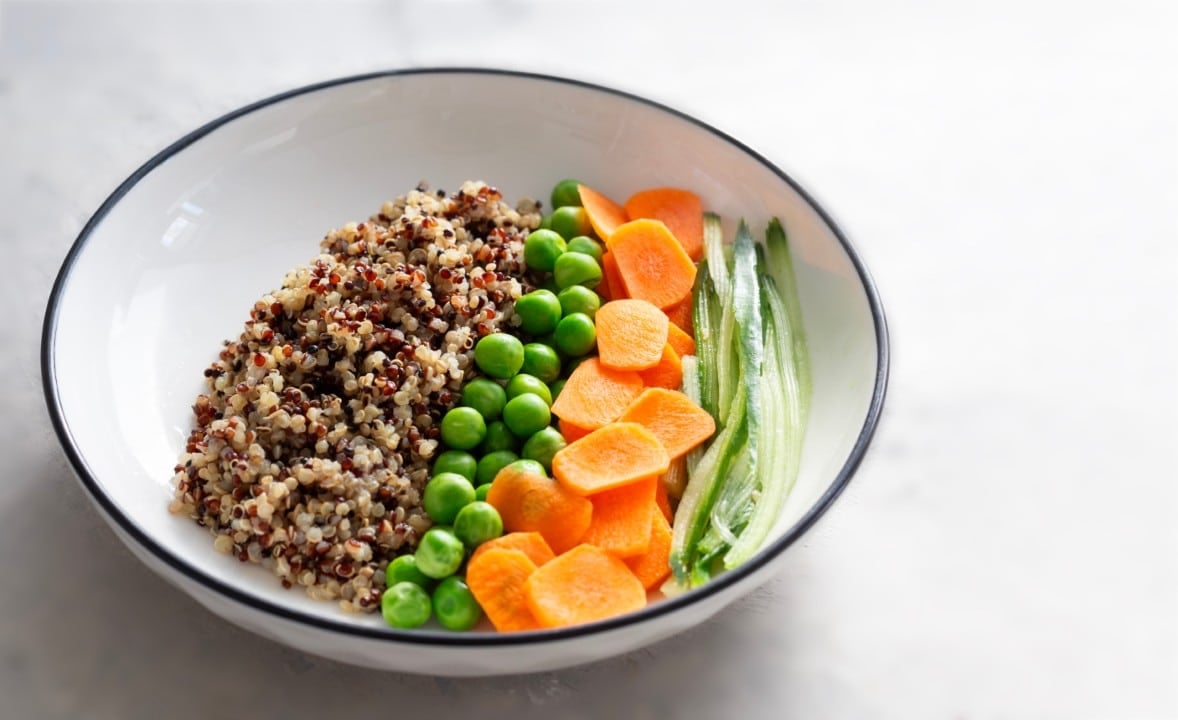
The global food market is registering a significant change in consumer behavior, who now prioritize fiber intake over protein. Este movement, led mainly by generation Z, focuses on intestinal health as a fundamental pillar for general well-being and aesthetics. The trend, widely publicized on social networks under the term “fibermaxxing”, mobilizes large corporations to reformulate their products for the year 2026.
Industry experts indicate that digestive health has become an indicator of quality of life for younger buyers. Eles associate good bowel function with benefits that go beyond digestion, including healthier skin and improved cognitive functions. Dados of market consultancies reveal that more than 50% of consumers are interested in adopting diets that maximize the consumption of fibrous nutrients.
Supermarket shelves already reflect this transformation with the increased supply of items labeled as functional. Pesquisas recent findings indicate that 42% of shoppers perceive high-fiber foods as inherently healthier options. Esse scenario creates a strategic opportunity for manufacturers of snacks, drinks and dietary supplements seeking to differentiate themselves in a competitive market.
Expansion of the fiber market in the beverage and snack industry
The beverage industry is one of the most affected by the new demand, with giants in the sector launching versions of soft drinks enriched with prebiotic fibers. Executivos of major brands claim that fiber will be the central nutrient in the coming years, correcting a historical deficiency in the diet of the urban population. Estudos indicate that the vast majority of adults do not reach the recommended daily intake of this essential component.
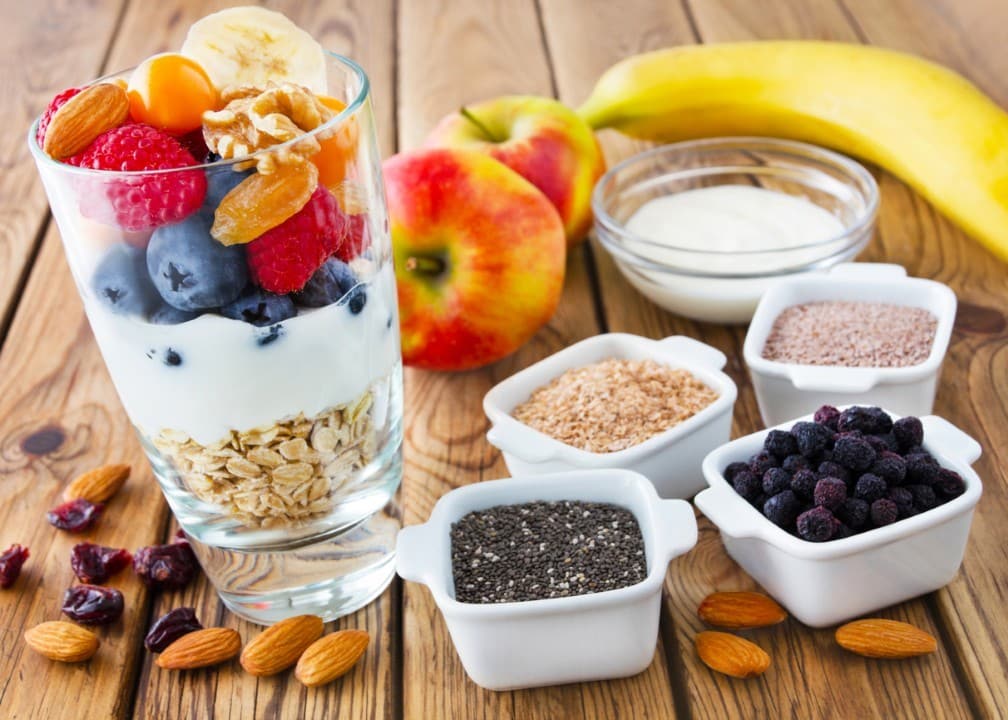
The snacks sector is also undergoing a restructuring to include ingredients such as legumes, lentils and chickpeas to replace refined wheat. Maintaining flavor continues to be the biggest challenge for companies, as modern consumers demand healthiness without giving up sensory pleasure. Mesmo In challenging economic contexts, the public is willing to pay high prices for products that deliver real benefits to digestive health.
- 30% increase in online searches for supplements and fiber bars in the last twelve months.
- Launch of lines of soft drinks with added vegetable fibers to compete with traditional drinks.
- Growth in the supply of private label products focused on well-being in large retail chains.
Strategies of large fast food and supermarket chains
Fast food chains follow the global movement and plan to include items with greater nutritional density in their regular menus. The expectation is that, by the end of 2026, fiber-rich options will occupy a prominent space in advertising campaigns and self-service menus. Essa adaptation aims to retain young audiences who have moved away from diets based on ultra-processed foods with no functional value.
Low-cost supermarkets also entered the fray by relaunching their own brands with a focus on “better for you” items. Essas lines offer more financially accessible alternatives for consumers looking to maintain a healthy lifestyle. The expansion of these product ranges includes everything from whole grain breads to fortified hydration drinks, ensuring the democratization of access to trendy new nutrients.
The connectivity between gut health and the natural production of hormones that regulate appetite is another factor driving sales. The market observes a convergence between preventive nutrition and the use of substances that help with weight control in an organic way. With this, fiber stops being just a dietary component and becomes a personal health management tool.
Expert recommendation on fresh food consumption
Despite the industry’s euphoria over new processed products, nutritionists warn that the best source of fiber remains in the fresh produce section. Frutas, vegetables and whole grains are recommended as the basis of any diet aimed at longevity and metabolic efficiency. Supplementation through bars and snacks should be seen as a complement, and not as the sole solution to nutritional deficiency.
Current dietary guidelines reinforce the need to reduce the consumption of highly processed items in favor of minimally processed foods. The balance between the convenience of new industrial launches and the intake of fresh vegetables is essential to reap the real benefits of the trend. Consumidores are encouraged to read labels carefully to avoid excess hidden sugars in products that claim to be healthy.
The daily recommendation for adult women is 25 grams, while men should aim to reach the 35-gram fiber mark. Professional monitoring is recommended to adjust these quantities according to the individual needs of each organism. Manter Proper hydration is a critical step when increasing fiber intake to ensure the digestive system processes nutrients correctly.
Technological innovation in the production of functional foods
The advancement of biotechnology has allowed companies to develop synthetic and natural fibers that do not alter the original texture of food. Isso allows products traditionally considered “villains” of the diet to gain a nutritious guise without losing acceptance by the general public. Research and development in this area receives massive investment to ensure that the transition from protein to fiber occurs smoothly.
Laboratories focused on food science constantly test new combinations of prebiotics to maximize absorption by the human body. Essa technological race aims to create exclusive patents that guarantee companies’ leadership in the intestinal well-being segment. The result is a market flooded with new products that promise to solve chronic digestion problems in a quick and tasty way.
- Development of fibers that resist high temperatures for use in industrial baking.
- Creation of natural additives derived from roots and tubers to enrich drinks.
- Using data intelligence to map flavor preferences among different age groups.
- Implementation of fermentation processes that enhance the effects of fibers on the human microbiome.
Trend’s impact on the global supplement economy
The dietary supplements sector is experiencing robust growth driven by consumers’ difficulty in maintaining a balanced diet in their urban routine. Pós, fiber gummies and capsules have become common items on shopping lists, replacing other physical performance supplements. The ease of consumption of these products attracts people looking for quick results for abdominal bloating and other gastric discomfort.
Investors closely monitor startups that focus exclusively on microbiome health solutions, predicting that this niche will be one of the most profitable of the decade. Capital flows to companies that can prove the effectiveness of their products through clinical studies and ingredient transparency. Essa Consumer surveillance forces brands to be more honest about the origin and processing of their inputs.
The diversification of fiber sources, including marine options such as algae, opens up new fronts for commercial exploration and sustainability. The use of agricultural by-products to extract fiber also contributes to a more circular and less wasteful economy. With this, the “fibermaxxing” movement transcends individual health and touches on global issues of food production and environmental preservation.
Long-term perspectives for fiber-based nutrition
The consolidation of fiber as the main nutrient of 2026 marks a transition to a more holistic nutritional awareness and less focused solely on muscle-building macronutrients. The understanding that the intestine functions as a “second brain” profoundly changes the way society deals with daily nutrition. Espera Governments and schools are expected to incorporate this new knowledge into their food education programs.
Public health policies can benefit from this trend by reducing chronic diseases related to poor digestion and obesity. Campanhas awareness programs that use the language of social media have proven effective in reaching audiences that previously ignored traditional medical advice. Fiber, once seen as a dull nutrient, now takes center stage in the modern wellness revolution.
Constantly evolving consumer preferences will require the industry to remain agile and responsive to new scientific discoveries. What starts as a fad on TikTok has the potential to turn into a lasting consumption pattern that will redefine health for generations to come. The commitment to quality and transparency will be the distinguishing feature of brands that survive this paradigm shift.
The current phenomenon demonstrates that fast information and the desire for personal optimization are powerful drivers of economic change. Fiber is not just an ingredient, but the symbol of a new era where internal health is as valued as external appearance. The continued success of this trend will depend on the market’s ability to deliver products that are truly beneficial and accessible to all social strata.