Sinner faces possible Zverev in Montecarlo; Alcaraz and Musetti could meet again in the semi-finals
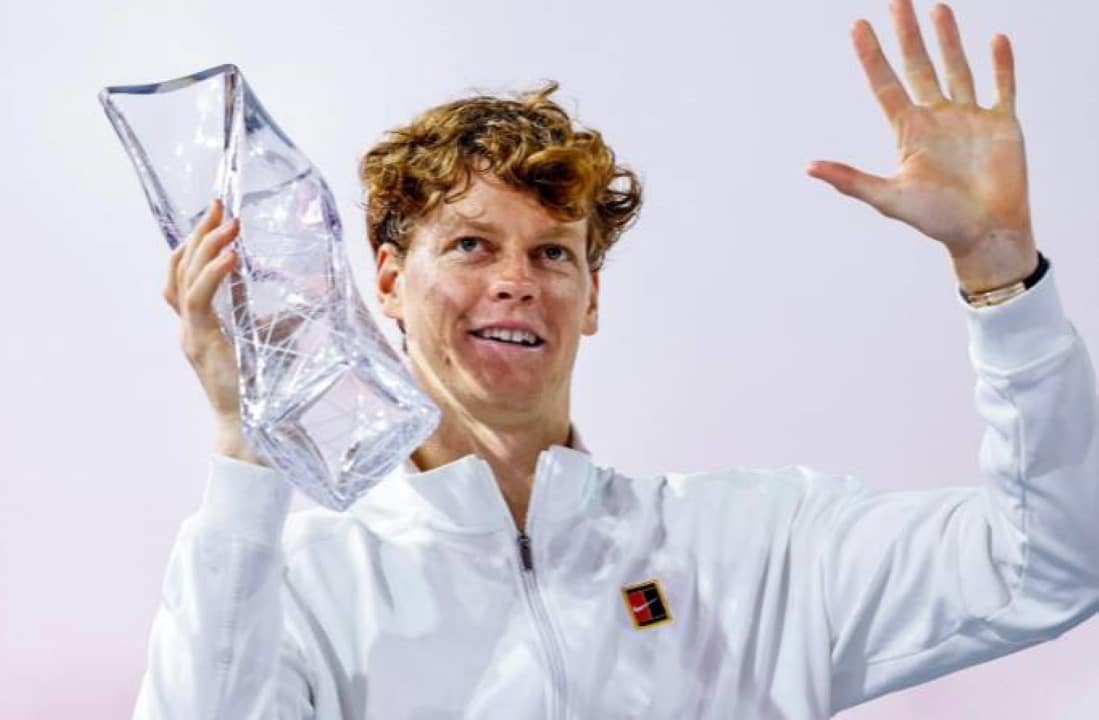
The ATP circuit’s clay court season enters its first major moment with the draw for the Masters 1000 of Montecarlo, which begins this Sunday, April 3rd. The tournament, one of the most prestigious on the tennis calendar, revealed a bracket that promises intense duels and challenging courses for the main favorites.
Italian Jannik Sinner, number two in the world, was placed in the same bracket as German Alexander Zverev, suggesting a possible confrontation in the more advanced stages of the competition. Do On the other side of the bracket, tennis fans are already speculating about a long-awaited rematch between the Spaniard Carlos Alcaraz and the Italian Lorenzo Musetti, repeating the 2025 clash.
This scenario creates a competition full of expectations, especially with the presence of some of the most prominent names in the sport and the notable absence of Novak Djokovic, which elevated Musetti to the number 4 seed position. The city of Montecarlo is preparing to host another memorable edition of this traditional event.
Analysis of Jannik Sinner’s path in the tournament
Jannik Sinner, one of the most consistent tennis players today, will have a relatively calm start after his bye in the first round, but the tournament sequence could be quite demanding. Seu first opponent will emerge from the clash between Ugo Humbert and the young French talent Kouamé, a game that will already demand attention.
Moving forward, Sinner could find in the third round an opponent known for his experience on clay: Stefanos Tsitsipas, two-time champion of the tournament in previous years, or Francisco Cerúndolo, an Argentine who feels at home on clay. The projection for the quarterfinals indicates a possible duel against Casper Ruud, who has already reached two finals in Roland Garros, or Felix Auger-Aliassime, who has been showing progress on the surface.
The initial challenges for the world number two
The bracket portion of Sinner is packed with clay-court experts and up-and-coming players, making each round a significant test. The game against Cerúndolo, for example, could be particularly complicated, given the Argentine’s aggressive style and his ability to deal with the peculiarities of clay. Tsitsipas, although without the same shine as in previous seasons, has the record of champion in Montecarlo, which always makes it a dangerous opponent, capable of resurfacing at home. The projected semi-final against Alexander Zverev or Daniil Medvedev represents one of the most anticipated clashes, with both players having great ability to adapt to clay. Zverev is a former Masters 1000 finalist on clay and Medvedev, despite not being a specialist, has shown notable improvements in his performance on this surface, surprising many with his versatile game.
Carlos Alcaraz’s journey in search of the title
Carlos Alcaraz, current champion and leader of the ranking, seems to have a theoretically more accessible path, but he will need to overcome an emotional test right on his debut. Após the “bye”, the Spaniard could face Stan Wawrinka, champion in Montecarlo in 2014 and who makes his last appearance in Principado before retirement, with a burning desire to leave a good impression.
The match against Wawrinka will be more than a technical challenge; It will be a clash of generations and aspirations, with the veteran seeking an honorable farewell. Posteriormente, Alcaraz should face a name like Tomás Martín Etcheverry or Grigor Dimitrov in the third round. The quarter-finals could put players like Alexander Bublik, Jiří Lehečka or Cristian Garín in their path, all capable of offering resistance. The semi-final, as predicted, would be against Posteriormente0 or Posteriormente1 of Posteriormente2.
Expectations for Italian tennis players beyond Sinner
In addition to Sinner, the Italian fans have other representatives to watch closely in the Masters 1000 of Montecarlo. Lorenzo Musetti, who occupies the number 4 seed position due to the withdrawal of Novak Djokovic, will face a considerable challenge in his debut.
Musetti will face the talented Vacherot, a homegrown player who will certainly have the support of the local fans and who has the ambition to shine on the clay of Mônaco. Flavio Cobolli, in turn, will face a tennis player coming from qualifying, which could present both an opportunity and an unknown, depending on the opponent.
Luciano Darderi will have a difficult match against Hubert Hurkacz, who has a powerful serve and an aggressive game. Finally, Matteo Berrettini, who received a wildcard for the tournament, will also face a qualifier, looking to regain his good rhythm and confidence on a highly visible stage.
The importance of Masters 1000 of Montecarlo
The Masters 1000 of Montecarlo is much more than a prestigious tournament; it marks the real kickoff of the European clay season. Esta step is crucial for players to adjust their playstyles and prepare for Grand Slam Roland Garros.
Highlights and possible surprises in switching
The Montecarlo draw always reserves space for surprises and the emergence of new talents. The presence of youngsters like Frenchman Kouamé in the main draw adds an element of unpredictability to the first few games. Outro The name to watch closely is the Brazilian João Fonseca, considered one of the most promising tennis players of the new generation, and who can stand out on clay.
The nature of the clay surface, with its physical demands and the need for longer points, often favors players with stamina and good stroke variation. Therefore, less popular names can surprise the favorites. The following factors make this Masters even more unpredictable:
– Oportunidade for clay court players to assert themselves.
– Potencial for zebras in early clashes.
– The search for crucial points in the ATP rankings.
– Preparation for Roland Garros.
Preparations and the impact of the clay surface
The transition from hard courts to clay is one of the biggest challenges in the tennis calendar, requiring athletes to adapt tactically and physically. Em Montecarlo, players face a surface that slows down the ball and requires greater movement and patience in rallies.
This change of surface favors defensive strategies and requires tennis players to improve their topspin strokes and sliding skills, crucial elements for success in this part of the season. The next few weeks will be decisive in establishing who is in the best shape to dominate the clay and who will position themselves as a strong candidate for the Roland Garros title.