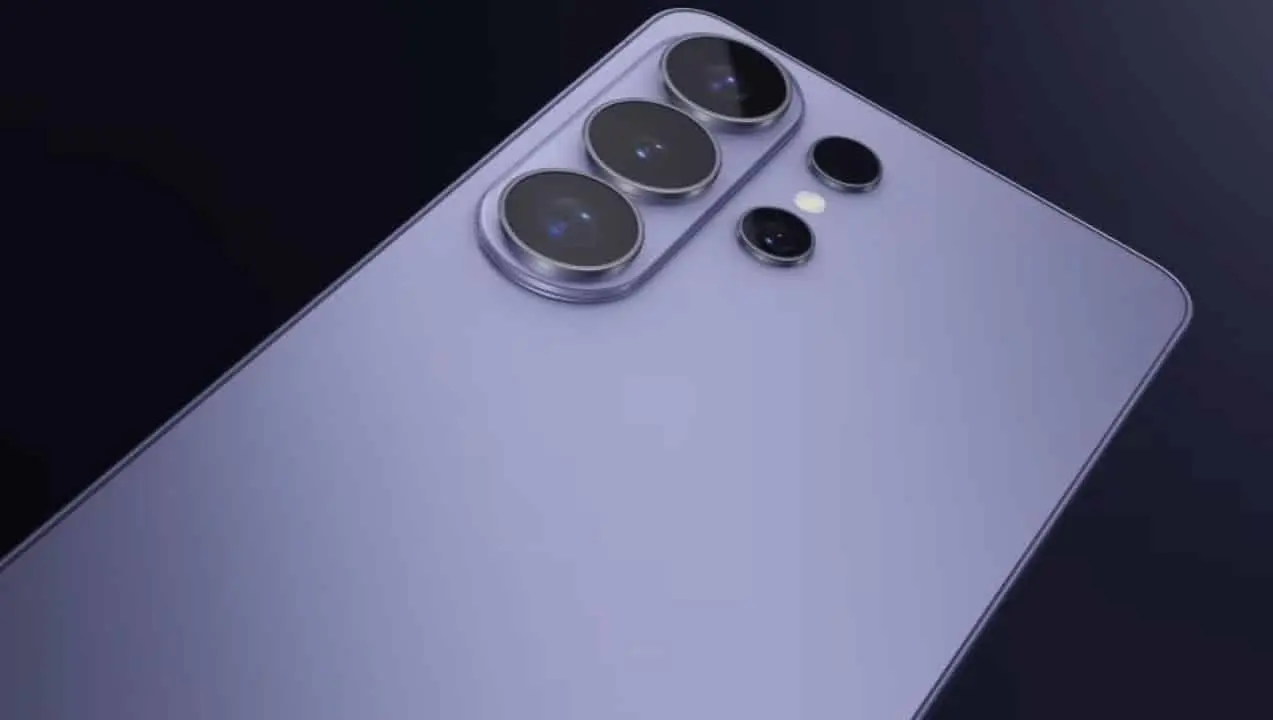
Apple’s new line of smartphones features a thickness of 5.5 millimeters and liquid glass technology
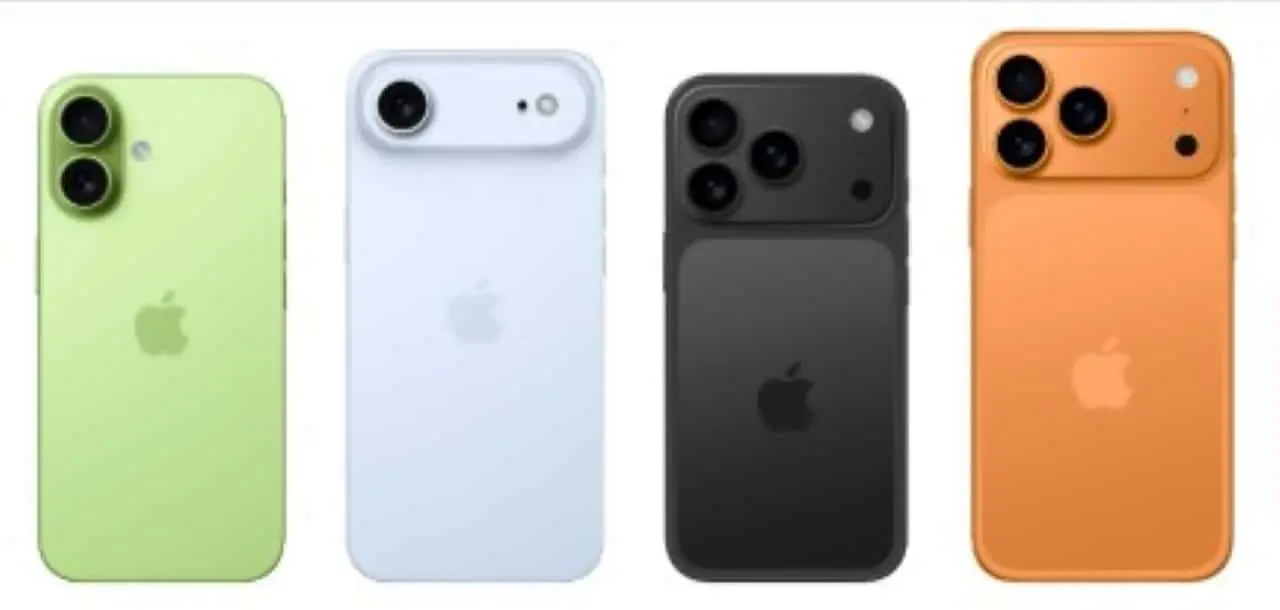
Apple announced the launch of a new smartphone that stands out for its reduced thickness of just 5.5 millimeters and the incorporation of liquid glass technology on the front screen. The mobile device features a chassis made from aerospace-grade titanium, a material that provides greater structural strength while reducing the total weight of the equipment. The manufacturer redesigned the internal components to accommodate the hardware in the ultra-thin profile without compromising processing capacity. The model introduces a rear-aligned camera system, eliminating the traditional protrusion of photographic sensors. Artificial intelligence operates directly on the device through a dedicated neural processor.
Material engineering and titanium structure
The use of aerospace-grade titanium represents a significant change in the technology company’s assembly line. Este material has a higher strength-to-weight ratio than stainless steel and aluminum, metals frequently used in the mobile phone industry. The metal structure protects the internal components against twisting and everyday physical impacts, ensuring the integrity of the device. The titanium machining process requires specific machinery and precision techniques to achieve the finish desired by the manufacturer.
To achieve a thickness of 5.5 millimeters, the company’s engineers had to completely restructure the layout of the internal parts. The motherboard and battery were custom designed to fit into the restricted space of the metal chassis. Memory modules and physical connectors have undergone a rigorous miniaturization process. Assembly requires a millimeter level of tolerance between components to avoid contact failures or short circuits during daily use of the equipment.
Screen technology and liquid glass resistance
The device’s screen incorporates liquid glass technology, specifically designed to increase the durability of the front panel. Este material undergoes a chemical treatment that alters its molecular structure, resulting in a surface with high resistance to scratches and microcracks. The protective layer acts as a shield against natural wear and tear caused by friction with keys, coins and other objects in users’ pockets. Liquid glass also reduces the likelihood of shattering if accidentally dropped onto hard surfaces.
In addition to improved physical resistance, the front panel has anti-reflective properties that improve visibility in outdoor environments. The technology reduces the interference of direct sunlight on the screen, making it easier to read texts and view images during the day. The display uses OLED technology, which delivers absolute blacks and high color contrast when playing media. The screen refresh rate reaches 120 frames per second, providing fluid transitions when browsing and running graphics applications.
Cooling system and camera module design
Thermal management in ultrathin devices requires complex engineering solutions due to the proximity between components that generate heat. The manufacturer implemented a passive cooling system based on a high thermal conductivity graphene sheet. Este material works in conjunction with an ultra-low profile vapor chamber to dissipate temperature from the main processor. The cooling structure distributes heat evenly across the back surface of the device, preventing overheating during tasks that require high computing power.
The rear photographic module features a design flush with the smartphone’s structure, changing the industry’s visual standard. The company eliminated the physical elevation of the lenses, a common feature in previous generations and in models from competing brands. Para maintain optical quality without increasing the thickness of the device, the manufacturer adopted a system of periscopic lenses arranged horizontally. Este arrangement redirects light through internal prisms before reaching the image capture sensor.
The horizontal arrangement of the lenses allows the optical assembly to occupy more lateral space within the chassis, compensating for the lack of physical depth. The periscopic mechanism offers optical approximation capability without loss of resolution, maintaining mechanical stabilization of photographs and videos. The photographic sensors capture more light in dark environments due to the optimized aperture of the diaphragm and the new shape of the lenses. Image processing software works in conjunction with hardware to correct distortions and improve autofocus in fractions of a second.
Local processing and artificial intelligence capabilities
The smartphone integrates a neural processor dedicated exclusively to performing advanced artificial intelligence tasks. The hardware component allows data processing to occur locally on the device, without the need for constant connection to cloud servers. The chip’s architecture accelerates speech recognition, real-time language translation, and automatic categorization of media files. Executing artificial intelligence functions locally reduces the response time of native applications and decreases overall operating system latency.
The decision to process sensitive data directly on the device meets strict information privacy requirements. Personal information, usage patterns, and biometric data are not transmitted to external data centers when performing machine learning tasks. The operating system restricts third-party applications from accessing the neural processor, creating an isolated environment for manipulating encrypted data. Local processing technology also saves the user’s mobile data consumption by avoiding unnecessary transfers over the telephone network.
- Structure constructed from aerospace-grade titanium to reduce weight and increase the physical resistance of the chassis.
- Custom-developed motherboard and battery to fit the 5.5mm thick profile.
- Front panel with scratch-resistant liquid glass technology and anti-reflective properties for outdoor use.
- Rear-flush camera system with horizontally arranged periscopic lenses for optical capture.
- Dedicated neural processor for executing artificial intelligence tasks directly on the device’s hardware.
Movement in the mobile device sector
The launch of the device sets new benchmarks for thickness and hardware integration in the premium smartphone segment. The combination of aerospace materials with advanced cooling systems demonstrates the technical feasibility of ultrathin devices with high computational performance. Competing manufacturers in the mobile technology sector monitor new innovations to adjust their own production lines and market strategies. The adoption of local artificial intelligence and flush camera design represent new development standards for the next generations of electronic equipment.
The global electronic components supply chain had to adapt to supply the miniaturized parts required by the new project. Fornecedores of OLED screens, high-density batteries and memory chips have adjusted their factories to meet the technical specifications of the ultra-thin smartphone. The movement of Apple directs investments in research and development across the semiconductor industry to create solutions that combine energy efficiency and reduced dimensions. The availability of these new components on the wholesale market should influence the design of other portable electronic devices in the coming years.