Galaxy Watch 9 cuts reboot downtime with 2 system partitions
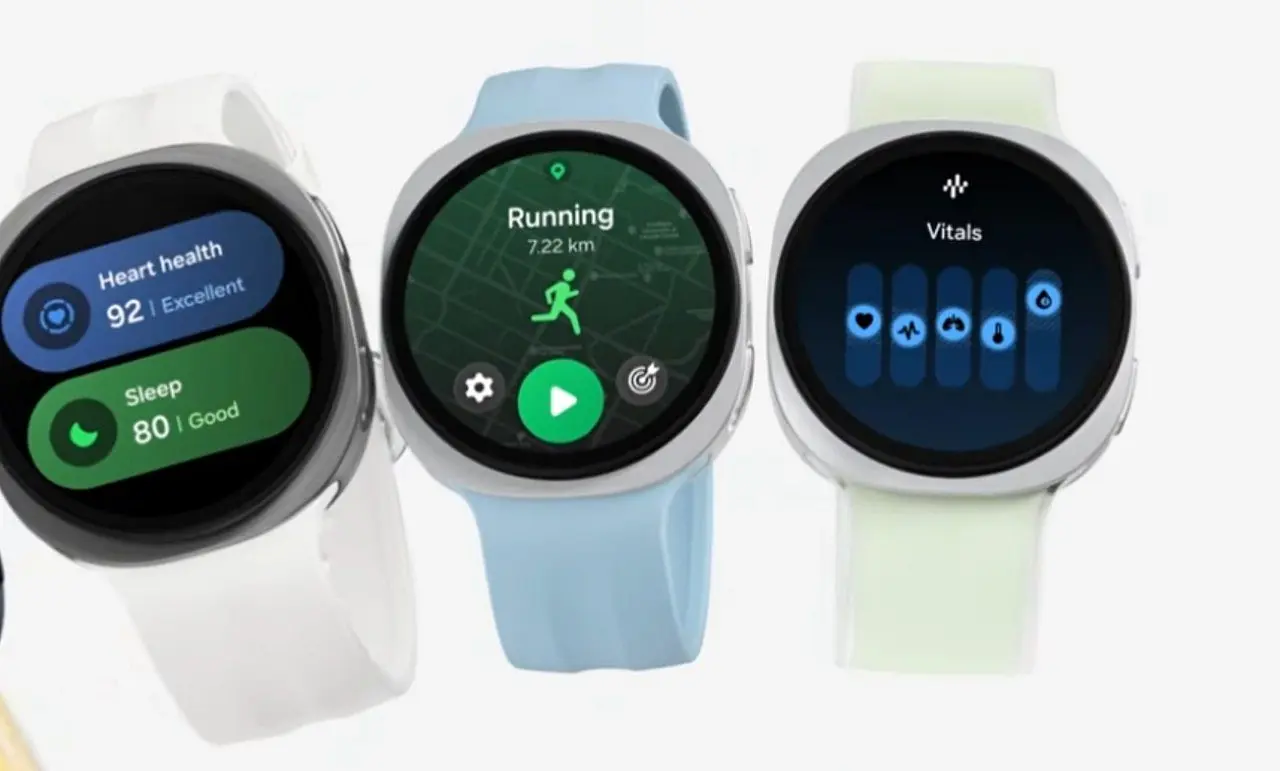
Samsung deployed its seamless update mechanism to the Galaxy Watch 9 and Galaxy Watch Ultra 2 during the August software rollout. The technology allows these wearable devices to download and configure operating system packages while users continue tracking fitness metrics and checking screen notifications without interruption. A user named Salian identified the background process on X while installing the maintenance release on a Galaxy Watch 9.
Background installation replaces conventional maintenance pauses
The dual-partition architecture shifts file downloading and operating system compilation entirely into background storage sectors while hardware sensors maintain uninterrupted health monitoring. Rebooting takes seconds.
Because standard installation methods routinely lock wearable hardware during file extraction and verification, Samsung separated the system storage into two dedicated partitions that allow the active software to function independently while the incoming package writes directly to the alternate slot. Users trigger the final switchover through a manual reboot whenever their daily schedule permits. The system switches active slots immediately during that brief restart sequence. This mechanism eliminates the prolonged setup screens and frozen interfaces that previously grounded wrist tracking during routine software maintenance.
- Two separate storage slots operate simultaneously to manage software packages without device freezes.
- Background extraction keeps health sensors, step counters, and incoming messaging operational during installations.
- Manual device restarts execute the version swap within moments whenever the user decides.
Technical constraints in legacy flash memory layouts prevent older Galaxy Watch units from adopting A/B partition logic. These older wristbands lack the secondary storage division necessary to write updates without disabling user access.
Hardware limitations exclude previous generation smartwatches
Smartwatches scheduled to receive One UI 9 Watch during current beta testing will still lack the background update capabilities. The operating system interface upgrades alone cannot alter physical partition boundaries established during factory assembly on earlier hardware generations. Samsung restricted the functionality exclusively to the Galaxy Watch 9 series and upcoming wearable hardware releases.
Future smartwatch releases from Samsung will retain dual-partition storage as a default hardware standard across subsequent generations. The engineering design establishes parity with smartphone models that already process system revisions through background partitions without service disruptions.