São Paulo Police investigate influencer for using AI to create sensual scenes of Congregation faithful
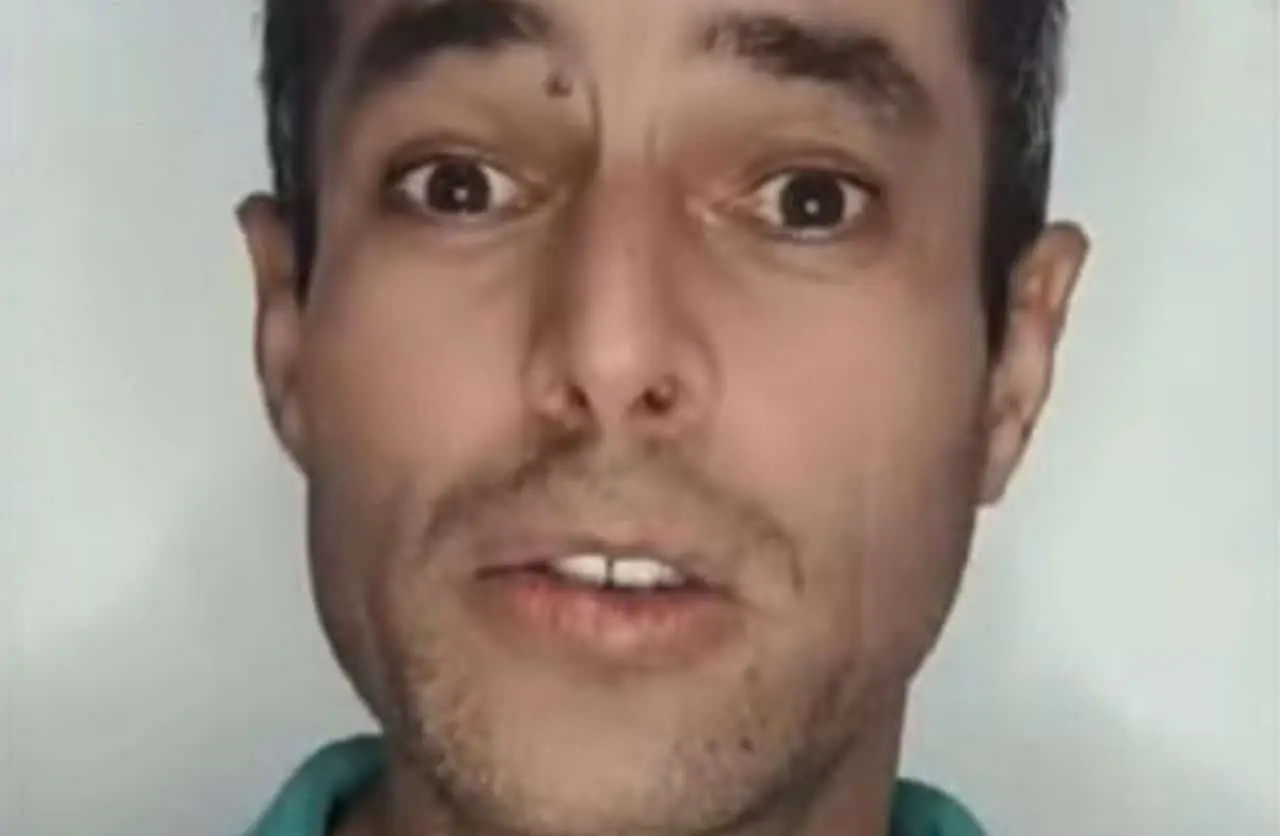
A 37-year-old digital influencer, investigated by Polícia Civil of São Paulo for using artificial intelligence to sexualize images of young evangelical women, stated that the publications were intended as satire. Jefferson of Souza is suspected of manipulating photographs of faithful of Congregação Cristã of Brasil to create videos in which the victims appear in sensual or pornographic contexts. The case, which is being processed by Delegacia of Defesa of Mulher, also involves the exposure of teenagers. The defendant’s defense maintains that the productions sought to criticize religious customs through humor.
The technical defense claims that there was no intention to promote sexual exploitation or harm the dignity of the people portrayed. Segundo the official note released by the lawyers, the material produced with deepfake tools aimed only to question the clothing worn by young people during religious services. The influencer removed photos from public profiles on social media and applied technology to simulate dances and behaviors that did not occur in reality. Authorities are investigating the reach of the publications and the total number of victims affected by digital manipulation.
Investigação points out a crime provided for in the statute of children and adolescents
The police investigation focuses on the simulation of pornography scenes involving minors under 18 through digital means. Jefferson of Souza, who works as a tire repairman in Lençóis Paulista, in the interior of the state, can be sentenced to a sentence of one to three years in prison, in addition to paying a fine. The 8th Delegacia of Defesa of Mulher of São Mateus has been conducting due diligence since February.
- The suspect admitted using real photographs as the basis for the videos.
- Vítimas reported unsuccessful attempts to take down the influencer’s profiles.
- Justiça ordered Lençóis Paulista’s local police station to assist in the search.
- Peritos analyze the material to confirm the extent of the defamation.
- Ministério Público follows the legal development of the allegations.
The defendant’s defense reinforced in testimony that he had no knowledge of the age of the victims portrayed. According to the lawyers, the images were taken from open platforms where the age classification of the users was not included. Entretanto, statements collected by the report indicate that one of the young women exposed is only 16 years old. Ela and his family seek legal redress for the misuse of the image and the derogatory content generated by artificial intelligence technology.

Digital manipulation Tecnologia generates fake videos with real photos
The process used by the influencer is based on the deepfake technique, which uses advanced algorithms to create realistic movements in static photos. In the case of young evangelical women, the images originally captured inside churches were transformed into videos where they appeared to be sensual alongside other women. The contrast between traditional religious clothing and behavior simulated by artificial intelligence was the central point of Jefferson’s posts.
Victims claim the content caused irreparable reputational damage within the religious community. One of the young women reported having sued all the profiles that shared the manipulated material. The use of AI for this purpose raises discussions about Brazilian legislation for digital crimes and the protection of the image of women in the virtual environment. Polícia Civil continues to collect evidence to identify whether other people collaborated in the production or systematic distribution of sexualized videos.
Próximos investigation steps and legal repercussions in São Paulo
Polícia of São Paulo awaits the completion of technical reports on the seized devices to understand how the algorithms were configured. The focus now is to determine whether the influencer acted with specific intent to defame or whether there was profit from viewing this content. Jefferson’s testimony was the first step in a series of hearings planned by Delegacia of Defesa of Mulher.
The influencer’s legal situation depends on the judge’s interpretation of the limit between freedom of expression and the violation of individual rights. Especialistas point out that the use of AI to superimpose faces on naked or sensual bodies is a growing practice that challenges the courts. For now, the person under investigation is free, but with restrictions imposed by the ongoing investigation. Congregação Cristã of Brasil has not officially commented on the case, but the victims continue to receive legal support from women’s defense organizations.
The outcome of the case could set an important precedent for the use of generative tools in Brasil. With the ease of access to editing programs, digital defamation crimes have become more complex to combat. The investigation continues under partial judicial secrecy to preserve the identity of the minors involved in the setups. The influencer maintains his version that the videos were just “criticism of customs” and did not have a malicious sexual charge.