Burj Khalifa: a symbol of architectural brilliance and global celebrations

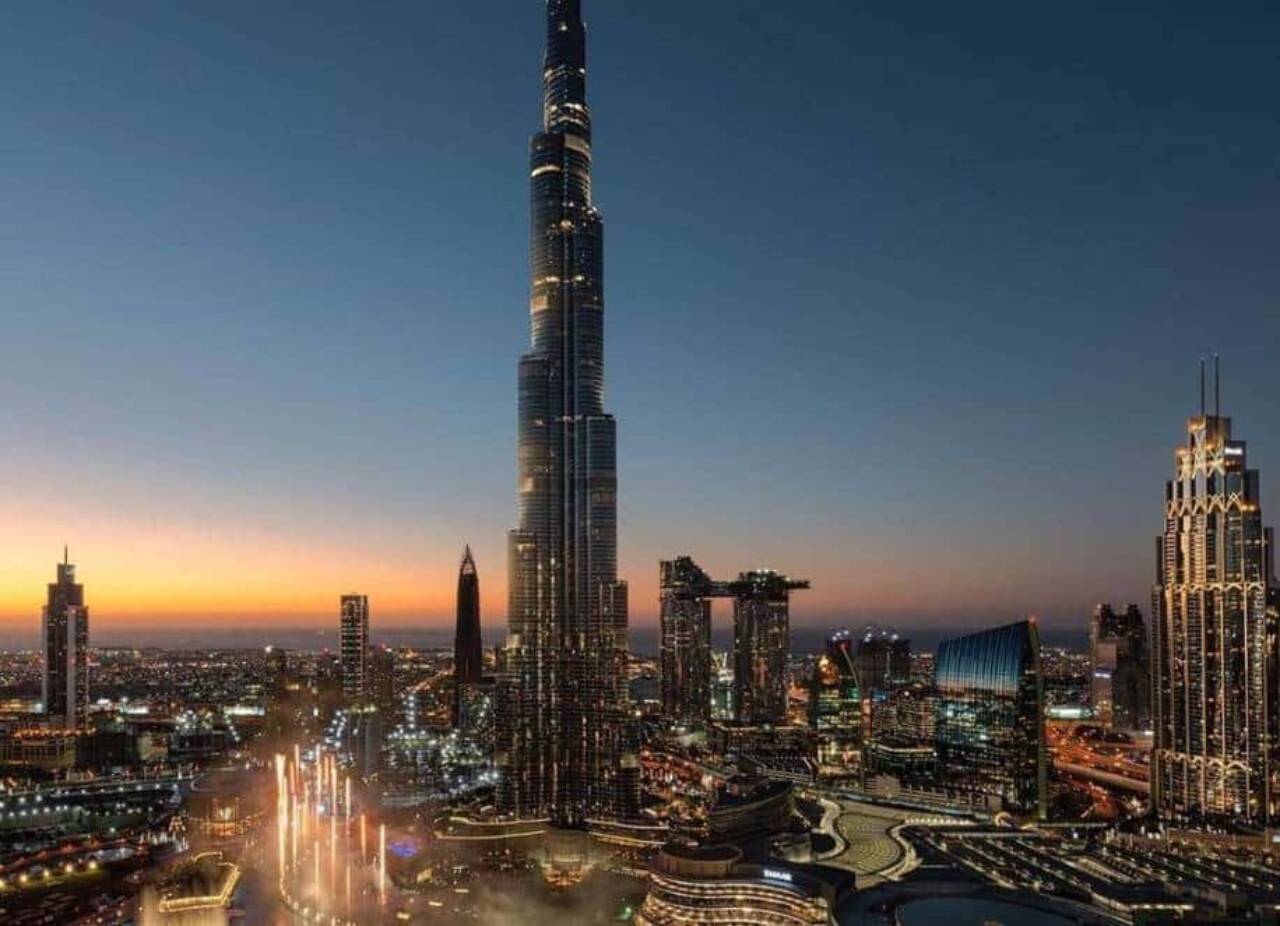
The Burj Khalifa, the world’s tallest skyscraper located in Dubai, is a marvel of modern engineering and a hub for global events. Standing at 828 meters, it has been a symbol of innovation since its 2010 inauguration. Designed to bolster Dubai’s tourism industry, the tower houses luxurious residences, offices, and the renowned Armani Hotel. Its technology-driven sustainability measures and record-breaking New Year’s Eve fireworks display have made it a global icon.
A brief history of construction
The idea for the Burj Khalifa emerged from Dubai’s ambitious plans to shift its economy from oil dependency to tourism and services. Construction began in 2004, and the tower was completed in six years. The American firm Skidmore, Owings & Merrill led the architectural design, incorporating innovative techniques to withstand the region’s harsh climate. Its unique tiered structure was inspired by the geometry of Islamic architecture, with its base resembling the desert flower Hymenocallis.
Technology and sustainability
One of the Burj Khalifa’s most impressive aspects is its incorporation of advanced engineering systems and sustainability measures. The building has a highly efficient water recycling system and uses high-performance glass to control interior temperatures, significantly reducing energy consumption. Additionally, solar panels heat the water used within the tower, reinforcing Dubai’s commitment to environmentally friendly practices.
The tower’s elevators, which are among the fastest in the world, transport visitors to the top at speeds of 10 meters per second. The viewing deck on the 148th floor offers stunning panoramic views of Dubai, making it a must-visit destination for tourists worldwide.
Host to iconic events
The Burj Khalifa is known for hosting spectacular fireworks and light shows during major global celebrations like New Year’s Eve. The 2023 New Year’s celebration was among the most extravagant, featuring record-breaking light and laser displays. The building’s facade doubles as the largest LED screen in the world, often lighting up to commemorate international events or humanitarian campaigns.
During events like these, the tower becomes a centerpiece for entertainment. The 2023 fireworks show was memorable not just for its sheer scale but also for the synchronized choreography between the tower’s lights, water fountains, and laser displays, creating an immersive experience for millions watching worldwide.
Global impact and symbolism
The Burj Khalifa’s influence extends far beyond its towering height. It symbolizes Dubai’s rapid development and ambition and serves as a point of reference in films, documentaries, and even diplomatic discussions. The tower paved the way for other massive projects in the region, including Saudi Arabia’s Jeddah Tower, which aims to surpass the Burj Khalifa’s height in the coming years.
Moreover, the Burj Khalifa plays a vital role in Dubai’s tourism industry, drawing millions of visitors annually. Beyond the observation deck, the surrounding area, known as Downtown Dubai, is one of the city’s most vibrant districts, featuring shopping centers, dining establishments, and water shows.
The race for the tallest building title
Since its inauguration, the Burj Khalifa has maintained its title as the tallest building in the world, but the race for architectural supremacy continues. The upcoming Jeddah Tower in Saudi Arabia aims to surpass 1,000 meters in height, potentially dethroning the Burj Khalifa. However, regardless of future developments, the Burj Khalifa will forever be recognized as a groundbreaking achievement that redefined architectural limits.
Timeline of key events
- 2004: Construction of the Burj Khalifa begins.
- 2010: The Burj Khalifa officially opens as the tallest building in the world.
- 2014: The tower welcomes its 10 millionth visitor.
- 2018: Its facade becomes the world’s largest LED screen.
- 2023: The tower hosts its largest New Year’s Eve light and laser show to date.
Looking forward: The Burj Khalifa’s future
As competitors emerge, the Burj Khalifa remains a beacon of modern engineering and a symbol of Dubai’s vision. Its architectural brilliance, coupled with its role in tourism and international events, ensures that it will continue to be a global landmark. With advancements in technology and sustainability, the Burj Khalifa serves as a model for future skyscrapers and urban developments around the world.
The Burj Khalifa is more than just the tallest building on Earth—it embodies the innovative spirit of Dubai. Its record-breaking light shows, engineering marvels, and influence on the global stage have solidified its status as a 21st-century icon. As the skyline of Dubai continues to evolve, the Burj Khalifa remains an essential piece of the city’s identity, captivating millions of visitors each year.