Corinthians fan throws pig’s head on the field during classic match against Palmeiras


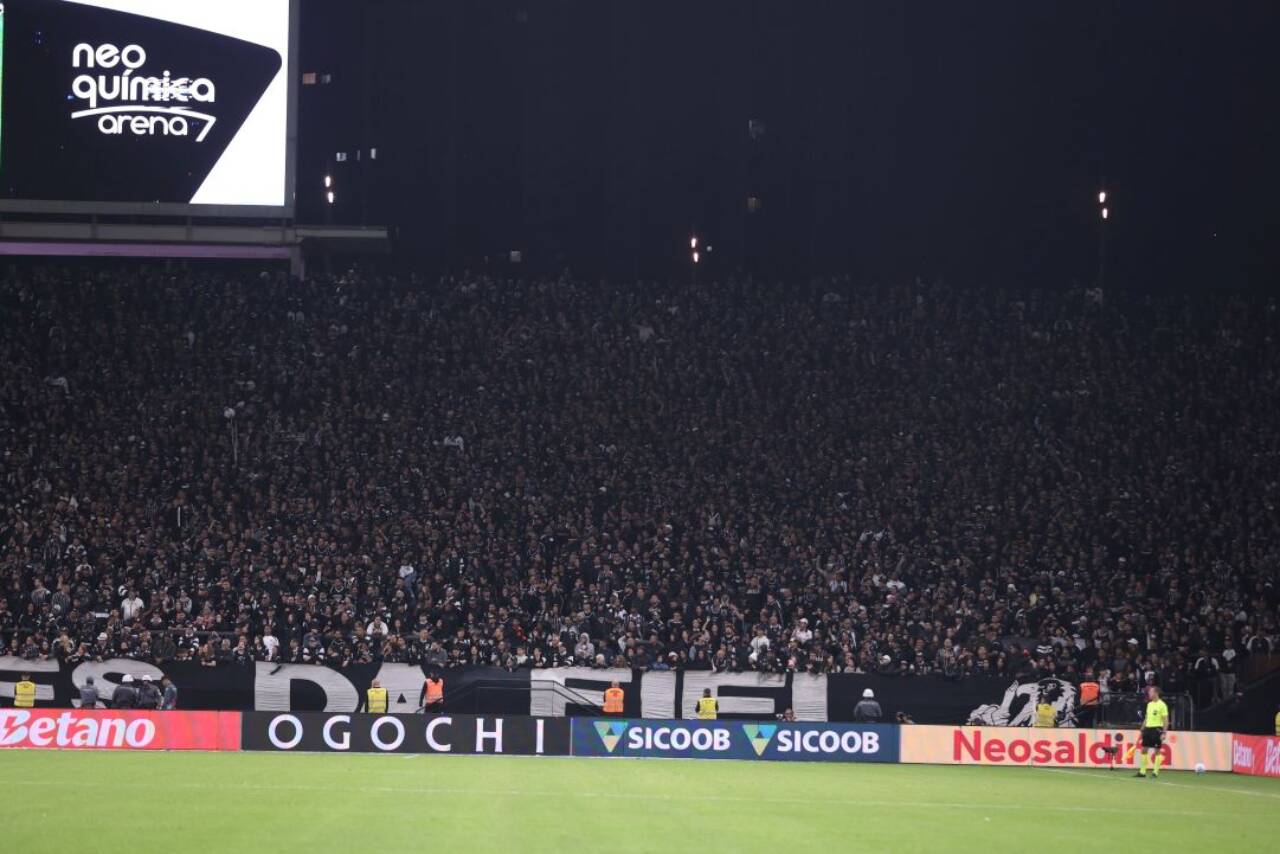
In the recent classic match between Corinthians and Palmeiras, held at the Neo Química Arena, a controversial incident stirred the game and reignited the historic rivalry between São Paulo’s two biggest clubs. A Corinthians fan threw a pig’s head onto the field, reviving an old and emblematic form of provocation that dates back decades between these two fanbases. This incident, which occurred during the first half of the match, sparked varied reactions among fans and the sports community, dividing opinions on the boundaries of rivalry in Brazilian soccer.
The origin of the provocation: how the “pig” became a symbol for Palmeiras
To understand the impact of this incident, it’s essential to revisit the origins of how the term “pig” came to be associated with Palmeiras. Initially used as a slur, this nickname was first employed by rival fans to mock the team. Its origins go back to the 1960s, following a tense situation during a Paulista Championship vote. At that time, two Corinthians players tragically lost their lives in an accident, and Palmeiras voted against replacing the athletes in the tournament. In retaliation, Corinthians fans began calling Palmeiras supporters “pigs” and even brought live pigs to matches as a means of provoking their rivals.
Interestingly, over time, Palmeiras fans reclaimed the nickname, embracing it as a symbol of resilience and pride. Rather than reject the term, Palmeiras fans adopted it as a badge of identity. Today, the official mascot for Palmeiras is a pig, and fans proudly display the image, particularly during celebrations and victories. However, throwing a pig’s head onto the field is still widely seen as offensive, especially during classic matches where tensions run high.
Reaction to the incident: divided fanbase and social media impact
The Corinthians fan’s act of throwing a pig’s head sparked extensive debate on social media and in the stands. Known for their passion and fervor, Corinthians fans found themselves split over the incident. For some, this action was a way to keep the tradition of provocations alive and reflect the intense rivalry that is an integral part of Brazilian soccer culture. Others viewed it as outdated and unnecessary, suggesting there are other ways to express team loyalty without resorting to such aggressive gestures.
On the Palmeiras side, the reaction was overwhelmingly negative. Many Palmeiras fans voiced their discontent on social media and in fan groups, calling the provocation disrespectful to the club and its history. The incident revived a long-standing discussion about the boundaries of soccer rivalries and the need to avoid behavior that might incite violence and hatred among fans. The timing of this incident was particularly notable, given the ongoing efforts by sports authorities and clubs to promote peace and respect in stadiums and reduce violent episodes that still occur during high-stakes matches.
Responses from the clubs and sports authorities
Following the incident, Corinthians’ management quickly issued an official statement condemning the fan’s actions and promising to investigate the case to identify and penalize those responsible. The club reiterated its commitment to creating a safe and respectful environment for all fans, stressing that such actions go against the sporting spirit they strive to foster. This stance aligns with recent initiatives by Corinthians, who, along with other clubs, have been working to strengthen safety and peaceful coexistence policies in stadiums.
Meanwhile, Palmeiras management also expressed disapproval of the incident. In an official statement, the club requested that the Paulista Football Federation (FPF) investigate the event and implement measures to prevent similar provocations from happening again in future classics and other matches. Palmeiras’ appeal aims to highlight the importance of clear boundaries for fan expressions, ensuring the safety of players, fans, and everyone in attendance.
The Paulista Football Federation, upon learning of the incident, indicated that the case will be reviewed by the sports tribunal, with disciplinary actions potentially being taken based on the investigation’s findings. Although the act was carried out by a single fan, authorities recognize the need for increased surveillance to prevent provocative or dangerous items from being brought into stadiums.
Impact of the incident on the match and the championship
Despite the brief interruption caused by the pig’s head being thrown, the game between Corinthians and Palmeiras resumed without further incidents on the field. The match ended in a 1-1 draw, keeping Corinthians in third place in the championship while Palmeiras retained their lead. According to many sports analysts, while the incident briefly diverted attention, it did not impact the teams’ on-field performance, as both displayed competitive and balanced play over the full 90 minutes.
However, the impact of the incident extends beyond the game’s result. For Corinthians, it presents a new challenge as the club now faces the negative repercussions and must take steps to reinforce security for upcoming matches. For Palmeiras, the episode served as a reminder of the importance of continuing efforts to ensure the safety of their players and fans, especially during classic games and high-tension matches.
Fan culture and the boundaries of rivalry in soccer
The pig’s head incident raises important questions about the limits of rivalry expression in soccer. In Brazil, organized fan groups exert significant influence on soccer culture, being responsible for choreographies, chants, and creating an electrifying atmosphere in stadiums. However, in some cases, this intense club loyalty can escalate into extreme actions that cross the line of respect and fair play, transforming stadiums into hostile, sometimes even dangerous, environments.
Experts in sports sociology and psychology argue that while rivalry is an essential part of soccer, it must be channeled positively. Fan provocations, such as chants and choreographies, are considered healthy and contribute to the competitive atmosphere of the game. However, when provocations involve actions that can be interpreted as hate incitement, like throwing a pig’s head onto the field, the situation becomes worrisome.
Additionally, the episode highlights the importance of awareness campaigns aimed at educating fans about the necessity of respect and civility inside and outside stadiums. Over recent years, several initiatives have been implemented to foster a safer and more welcoming environment at sports events, but cases like this one reveal that much work remains. These campaigns aim to show fans that it is possible to support their teams intensely and passionately without resorting to offensive or disrespectful behavior.
Possible consequences and next steps
In the days following the incident, sports authorities and the involved clubs are expected to take steps to investigate and, if necessary, impose sanctions. Potential actions include banning the entry of fans identified as responsible for inappropriate behavior and enhancing the screening of objects allowed into stadiums. Some ideas under discussion include the use of high-resolution cameras and facial recognition technology to identify fans who violate safety and civility guidelines.
The hope is that this incident will serve as a learning moment and inspire a broader reflection on fan behavior and the role of clubs and federations in ensuring a safe and respectful environment at sporting events. For Brazilian soccer, one of the primary goals in recent years has been to professionalize the fan experience, creating an environment that welcomes families and is free from acts of violence or hate.
Conclusion: the legacy of a rivalry-filled classic rooted in respect
The Corinthians and Palmeiras classic, historically one of the most intense rivalries in Brazilian soccer, once again captured attention on and off the field. The pig’s head incident revived old provocations and reopened the debate on the limits of rivalry in soccer. While passion and intensity are celebrated aspects of the sport, it is essential that these expressions remain within the boundaries of respect and civility.
For the clubs involved, the incident represents an opportunity to reaffirm their commitment to a type of soccer that, while rich in rivalries, is equally rooted in fair play and safety. Ultimately, both Corinthians and Palmeiras, along with their fanbases, bear the responsibility of preserving the spirit of the sport without crossing lines that could turn stadiums into sites of conflict.