Elton John criticizes cannabis legalization: addiction, stories, and its impact on global music

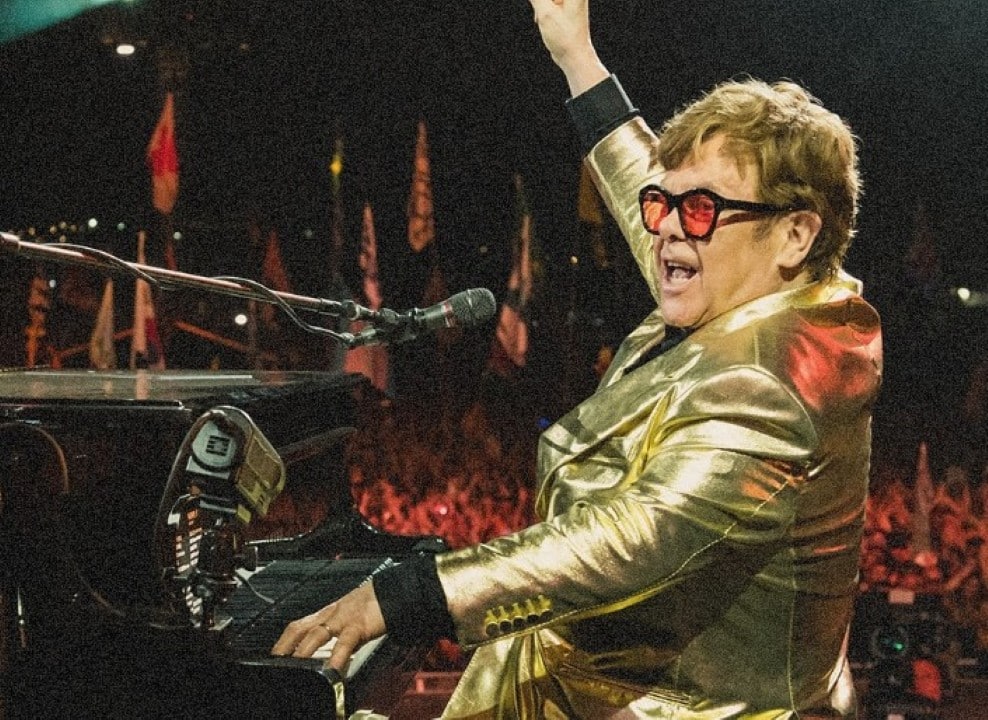
Elton John, at 77, remains one of the most influential voices in music and an active figure in social debates. Recently, the legendary British singer reignited discussions by declaring that he considers cannabis legalization “one of the biggest mistakes of all time.” His remarks, delivered during an interview with Time magazine, reflect not only his personal experience with addiction but also his critical perspective on the social and cultural impacts of cannabis regulation in countries like the United States and Canada. Elton, who fought a long battle against substance abuse, shared memories of his own journey and revealed poignant stories about his efforts to help fellow artists facing similar challenges.
The impact of legalization in the United States and Canada
Elton John was unequivocal in his criticism of cannabis regulation in countries such as the United States and Canada. Since 2018, Canada has been a pioneer in full cannabis legalization, permitting both medicinal and recreational use. Meanwhile, 23 U.S. states have adopted similar measures for recreational use, sparking heated debates over the economic benefits and potential public health risks. For Elton, the issue goes beyond financial figures. “When you’re high, and I’ve been high, you don’t think straight,” he stated. He emphasized that marijuana can serve as a gateway to harder drugs and argued that addiction is an underestimated problem in these discussions.
Despite his criticisms, proponents of cannabis regulation highlight significant economic contributions. In the U.S. alone, the legal marijuana market generated over $20 billion in 2023, with forecasts of continued growth. However, studies also indicate an increase in chemical dependency among young people, raising concerns that align with Elton John’s warnings.
Elton John’s personal journey with addiction
Elton’s critique is rooted in his lived experience. He endured a long and arduous personal struggle with drug and alcohol addiction. During the 1980s, when his career was soaring, the singer’s excessive lifestyle led him to a breaking point, affecting not only his health but also his creativity and professional life. Longtime songwriting partner Bernie Taupin reflected on how this period influenced their work. “A lot of the work we did when he was at his worst wasn’t the best of us,” Taupin admitted.
Elton’s decision to seek help and commit to sobriety transformed not only his life but also his relationship with music. He returned to creating songs that became classics and achieved a level of artistic maturity that solidified his position as a living legend.
Supporting other artists in their battles
Beyond overcoming his own struggles, Elton John became a mentor and advocate for sobriety among other artists. He played a critical role in Robbie Williams’ recovery, arranging the British singer’s first admission to a rehabilitation center. Robbie, who has publicly acknowledged Elton’s help, frequently describes him as a father figure and one of the greatest influences on his journey to recovery.
Another notable story is Elton’s relationship with Eminem. The singer serves as the rapper’s sobriety sponsor, providing support during pivotal moments in Eminem’s battle with prescription drug addiction. Their bond, initially unlikely due to their differing musical genres, became a powerful example of mutual support in the entertainment industry.
However, not all stories have happy endings. Elton expressed regret over being unable to help George Michael, who struggled with substance abuse before his untimely death in 2016. “It’s hard to tell someone they’re being an idiot, and it’s hard to hear that,” Elton reflected. The pain of such losses reinforces his dedication to mental health causes and addiction recovery efforts.
Addiction’s mark on global music
Elton John’s journey is far from unique in the music industry. Many renowned artists have faced similar challenges, with profound effects on their personal and professional lives. Examples include:
- Amy Winehouse: The British singer, known for her distinctive voice, died at 27 in 2011 from alcohol poisoning.
- Kurt Cobain: The Nirvana frontman battled heroin addiction and mental health issues before his death in 1994.
- Whitney Houston: A leading R&B voice, Whitney faced years of addiction that culminated in her death in 2012.
- Michael Jackson: The King of Pop passed away in 2009 from an overdose of prescription drugs.
These tragedies highlight how addiction transcends talent and success, affecting both the backstage lives and artistic legacies of music’s greatest names.
Global debates on cannabis legalization
Elton John’s statements have reignited debates surrounding cannabis regulation. While some countries promote legalization as a tool to combat drug trafficking and generate tax revenue, others caution against mental health risks and rising dependency rates. In Brazil, for instance, the discussion remains in its early stages, with progress limited to medicinal use. Elton’s public opposition sheds light on the possible consequences of poorly planned or inadequately analyzed policies.
Elton John’s enduring relevance
Even after decades in the spotlight, Elton John remains an influential figure in both music and social issues. His farewell tour, “Farewell Yellow Brick Road,” continues to sell out arenas worldwide, drawing millions of fans. Additionally, his music has reached new generations through cinematic adaptations like the acclaimed film Rocketman, which chronicles his life story.
Elton is also celebrated for his philanthropic efforts. His Elton John AIDS Foundation has raised millions to prevent HIV transmission and support those affected by the virus. He frequently uses his platform to address pressing issues, including mental health and equality.
Fascinating facts about Elton John
- Royal recognition: Elton was knighted by Queen Elizabeth II in 1998.
- “Candle in the Wind” success: The re-recorded version in tribute to Princess Diana is the best-selling single in history.
- Longstanding partnership: Bernie Taupin, his collaborator, penned the lyrics for many of his greatest hits.
- Over 300 million records sold: Making him one of the most successful artists of all time.
- Cultural impact: His songs feature in movie soundtracks, theatrical productions, and commercials.
Elton John’s perspective as a wake-up call
Elton John’s words offer more than criticism; they are a call for reflection on individual and collective choices. His personal experiences with addiction and his efforts to support fellow artists provide a powerful testimony to the devastating impact of substance abuse—but also the possibility of recovery and redemption.