Prince William and Kate Middleton, known for their dedication to royal duties, have faced a series of significant challenges in 2024. Health issues have taken center stage this year, with the Princess of Wales, aged 42, diagnosed with cancer following a planned abdominal surgery in January. After months of treatment, Kate announced her recovery, but the ordeal profoundly affected the couple’s schedule, requiring major adjustments to their royal routine.
Simultaneously, King Charles III, now 75, has also been grappling with a cancer diagnosis, prompting William and Kate to intensify preparations for ascending the throne sooner than they had anticipated. These circumstances have drawn attention to the resilience and adaptability of the British monarchy during a time of adversity.
Public reactions and adjustments within the royal family
Kate Middleton spent much of 2024 away from public duties as she focused on her recovery. During this period, William significantly reduced his official engagements to provide support to his wife and care for their children. This decision has bolstered the couple’s image as devoted parents and partners, balancing family responsibilities with the demands of their royal roles.
Following her announcement of being cancer-free, Kate gradually resumed public appearances, receiving an outpouring of support and admiration from the British public. Her early official outings post-recovery showcased her strength and gratitude, emphasizing the role of family support during difficult times.
King Charles III’s health and its impact on the monarchy
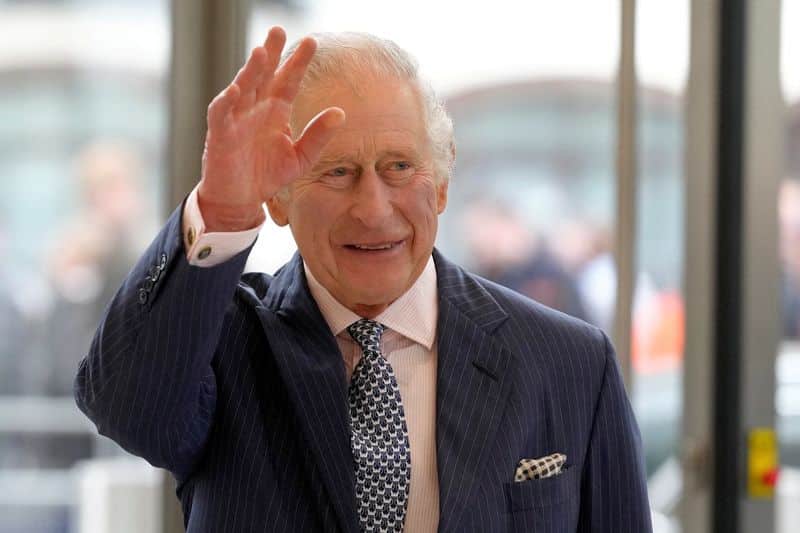
King Charles III’s cancer diagnosis presented another significant challenge for the royal family in 2024. While the exact type of cancer has not been disclosed, official statements confirm that the king has faced physical limitations due to treatment. This has necessitated a substantial reduction in his schedule, transferring many of his duties to Prince William.
Although such a transition was expected eventually, health concerns accelerated the timeline. Known for his determination, King Charles continues to fulfill his royal duties as much as possible, but the increasing reliance on William underscores the inevitability of change.
Key responsibilities undertaken by William and Kate
With greater responsibilities handed down to them, William and Kate have amplified their public engagements and strategic roles within the monarchy. Some of their notable responsibilities include:
- Representing the UK at national and international events, strengthening diplomatic ties.
- Leading social and environmental initiatives aligned with their personal interests.
- Restructuring royal projects to modernize the monarchy and adapt it to 21st-century expectations.
- Balancing public duties with raising their three children, preparing them for future royal responsibilities.
These efforts are pivotal in ensuring the monarchy’s continuity and relevance during transformative times.
Kate’s journey through treatment and recovery
Kate’s battle with cancer became a source of widespread public attention and support. Her resilience throughout treatment inspired many facing similar struggles. Supported by her family and a dedicated medical team, Kate’s recovery journey was a testament to her strength and determination.
The months of recovery also allowed Kate to reflect on her priorities, prompting a renewed commitment to mental health and wellness initiatives, causes she has long championed. Her gradual return to public life was marked by heartfelt speeches and renewed advocacy, strengthening her bond with the public.
William and Kate’s pivotal role in the monarchy’s future
As future king and queen, William and Kate play a critical role in the monarchy’s generational transition. They face the dual challenge of preserving royal traditions while appealing to a younger, more diverse audience. Key aspects of their evolving role include:
- Growing popularity among younger generations, who view the couple as modern and relatable.
- Advocacy for global causes, particularly sustainability, which resonate with their vision for the future.
- Maintaining an approachable and transparent image that bridges the gap between the royal family and the public.
Insights into throne preparation
Over the years, William and Kate have undergone extensive preparation for their future roles. These preparations include:
- In-depth studies of British constitutional and political systems.
- Regular meetings with state leaders and diplomatic experts.
- Advisory sessions with senior royal family members to gain insights from their experience.
- Participation in simulations of royal ceremonies and public engagements.
These training efforts ensure the couple is well-equipped to step into their roles when the time comes.
Social media impact and public engagement
The journey of William and Kate continues to generate significant engagement on social media, with millions of followers tracking their updates. Highlights that have drawn widespread attention include:
- Kate’s first public appearance after completing her treatment, which sparked an outpouring of supportive messages worldwide.
- Their involvement in social projects, emphasizing their commitment to meaningful causes.
- Official updates on the evolving dynamics within the royal family, each generating substantial public discussion.
These moments highlight the couple’s ability to connect with the public through modern digital platforms.
Historical context of royal transitions
Throughout history, the British monarchy has experienced notable transitions. Key examples include:
- The abdication of King Edward VIII in 1936, which led to his brother George VI ascending the throne.
- The accession of Queen Elizabeth II in 1952 following her father’s untimely death.
- The recent transition to King Charles III in 2022 after the passing of Queen Elizabeth II.
Each transition has presented unique challenges, shaping the monarchy to meet the demands of its time.
Statistical and relevant data
- The British monarchy attracts millions of tourists annually, contributing approximately £500 million to the UK economy.
- William and Kate rank as the most popular members of the royal family, with approval ratings exceeding 80%.
- Their involvement in philanthropic initiatives has led to the successful funding of numerous social and environmental projects.