The British monarchy is undergoing a pivotal transition, marked by significant challenges that have intensified the responsibilities of William and Kate, the direct heirs to the throne. King Charles III’s cancer diagnosis in 2024 has accelerated a carefully orchestrated process, highlighting the couple’s dedication to representing the Crown with commitment and modernity. William, groomed from a young age to assume the role of king, and Kate, renowned for her diplomatic skills and charisma, have solidified their roles as central figures in ensuring the monarchy’s continuity.
In recent months, William and Kate’s schedule has been packed with crucial engagements, including visits to charitable institutions, meetings with community leaders, and diplomatic events. These occasions underscore their practical preparation for their future roles as King and Queen Consort. With Charles III focusing on his health, the importance of a transparent and stable transition has become evident.
The monarchy is not only facing personal challenges but is also adapting to the expectations of an evolving society. Balancing tradition with innovation is at the heart of William and Kate’s actions as they promote initiatives in sustainability, equality, and public engagement, leveraging digital platforms to strengthen ties with the public.
The Impact of King Charles III’s Diagnosis
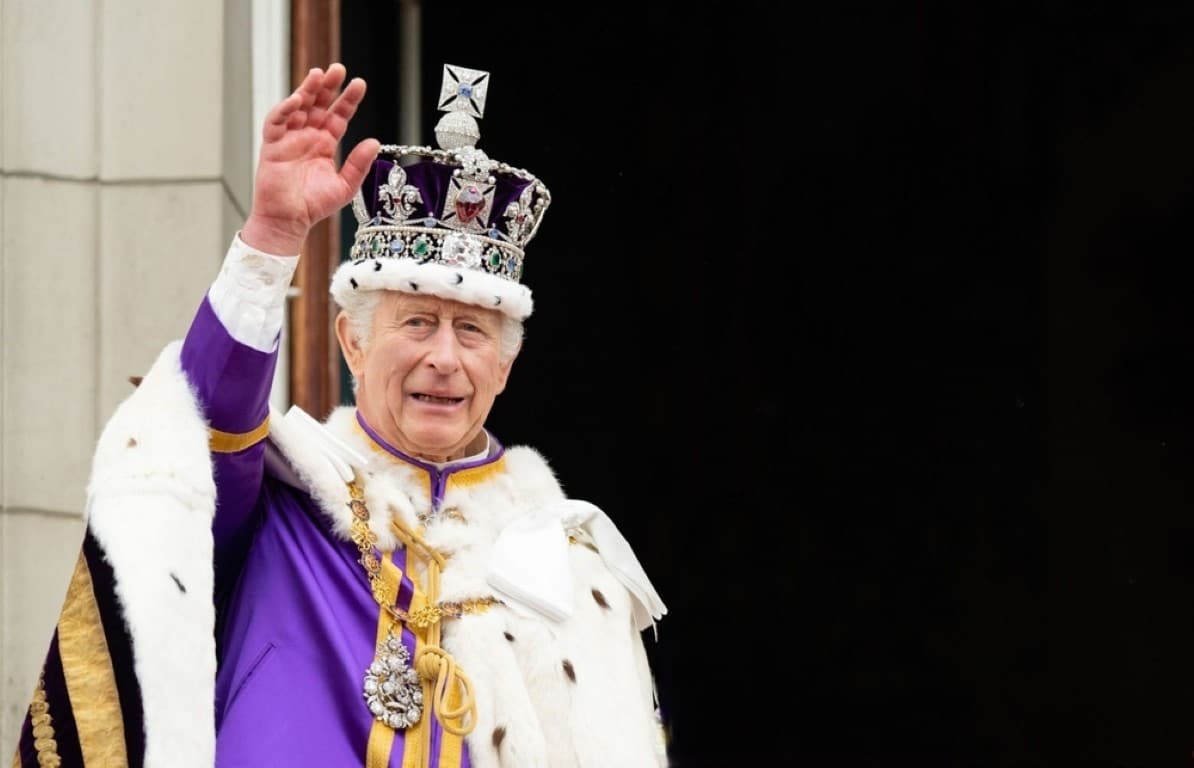
The announcement of King Charles III’s cancer diagnosis in early 2024 shocked the public, underscoring the vulnerability of a monarch renowned for his dedication to duty. At 76, Charles has demonstrated resilience, continuing to perform essential constitutional duties, albeit with a reduced schedule. Experts suggest that Charles’s treatment reflects medical advancements that enable him to stay involved in critical royal functions.
The transparent approach Buckingham Palace has taken in addressing the King’s health has been widely praised. Reports indicate that despite limitations, Charles III remains steadfast in his role, reinforcing confidence in the transition process. This historic moment also highlights the importance of a prepared and resilient leadership to face the challenges of the future.
The Ascendancy of William and Kate in Numbers
William and Kate have significantly increased their royal activities in recent years. In 2023 alone, the couple participated in over 250 official engagements—a substantial increase compared to previous years. Their constant presence not only ensures the continuity of royal duties but also reaffirms their commitment to their responsibilities. This shift includes formal ceremonies and community-focused initiatives addressing contemporary issues like mental health, early childhood education, and environmental conservation.
Additionally, the couple has strategically used social media to share personal and professional moments, humanizing the royal family and attracting younger audiences. This approach represents a step toward modernizing the monarchy in an increasingly digitalized world.
High-Impact Initiatives Led by the Couple
William and Kate are at the helm of initiatives with significant social relevance, solidifying their image as engaged and accessible leaders. Some of their notable projects include:
- William’s mental health program, which provides accessible psychological support for young people and veterans.
- Kate’s initiatives focusing on early childhood development, highlighting the importance of education and child welfare.
- Joint efforts to promote sustainability, including awareness campaigns on climate change and environmental conservation.
These actions reflect a vision of the monarchy that, while rooted in centuries-old tradition, seeks to connect with the pressing issues of contemporary society.
Symbolic Events of Leadership
In December 2024, during the traditional Christmas Day service at Sandringham, Kate and Camilla made headlines with their coordinated green outfits, symbolizing unity and hope. Accompanied by their three children, George, Charlotte, and Louis, William and Kate presented an image of a cohesive and prepared royal family.
Another significant moment was the couple’s involvement in inaugurations in northern England, where they engaged directly with local communities. These events are clear demonstrations of their ability to lead with empathy and practicality—traits essential for their future roles.
Interesting Facts About William and Kate’s Preparation
- William’s military training and service in the Royal Air Force instilled a sense of responsibility and leadership.
- Kate’s diplomatic charm and elegance are pivotal in bridging tradition and modernity within the monarchy.
- The couple’s approachable demeanor at public events has helped foster a more informal and relatable royal presence.
Ensuring Stability in the Transition
The British monarchy’s transition is not merely about succession; it is about continuity and adaptability. The stability provided by William and Kate during Charles III’s treatment has been crucial in maintaining public confidence in the institution. Recent surveys show that over 70% of Britons trust the couple’s ability to lead the monarchy.
Experts attribute this trust to a combination of preparedness, charisma, and their involvement in addressing relevant societal issues. Balancing respect for tradition with a willingness to innovate has been key to ensuring the monarchy’s continued relevance in a rapidly changing world.
The Future of the British Monarchy
With King Charles III progressing in his treatment and William and Kate’s visibility increasing, the future of the monarchy looks promising. Issues such as climate change, social inclusion, and mental health are expected to remain priorities for the couple, reflecting a leadership vision that balances tradition with innovation.
This approach has a significant economic impact as well, with the popularity of the royal family boosting tourism and British diplomacy. William and Kate’s ability to connect with diverse audiences is seen as vital to maintaining support for the monarchy both within the UK and internationally.
Public Reactions and Support
Charles III’s diagnosis sparked a wave of solidarity from the British public, with messages of support flooding social media and public events. Many expressed confidence in the continuity of the monarchy under William and Kate, emphasizing their commitment to the institution’s values.
Kate’s resilience during her preventive treatment also inspired admiration, reinforcing her image as a strong and dedicated figure. Her return to public engagements was met with enthusiasm, demonstrating the emotional bond she shares with the public.
Global Impact of William and Kate’s Leadership
Although the monarchy is often associated with tradition, its global relevance lies in the diplomatic roles of its members. William and Kate have used their positions to address critical issues such as the climate crisis and social inclusion, driving positive change on a global scale.
Participation in international events and collaborations with non-governmental organizations further emphasize the monarchy’s potential to influence global progress. This focus also enhances the UK’s image as a nation that values both its heritage and its commitment to advancement.
Historical Moment for the Royal Family
The intersection of health challenges and modernization has defined William and Kate’s current role within the British monarchy. Their approach, blending respect for tradition with adaptability to contemporary demands, marks the beginning of a new era for the Crown characterized by engagement, resilience, and innovation.