
La Niña phenomenon expected to severely impact winter and spring of 2024-2025 in the United States

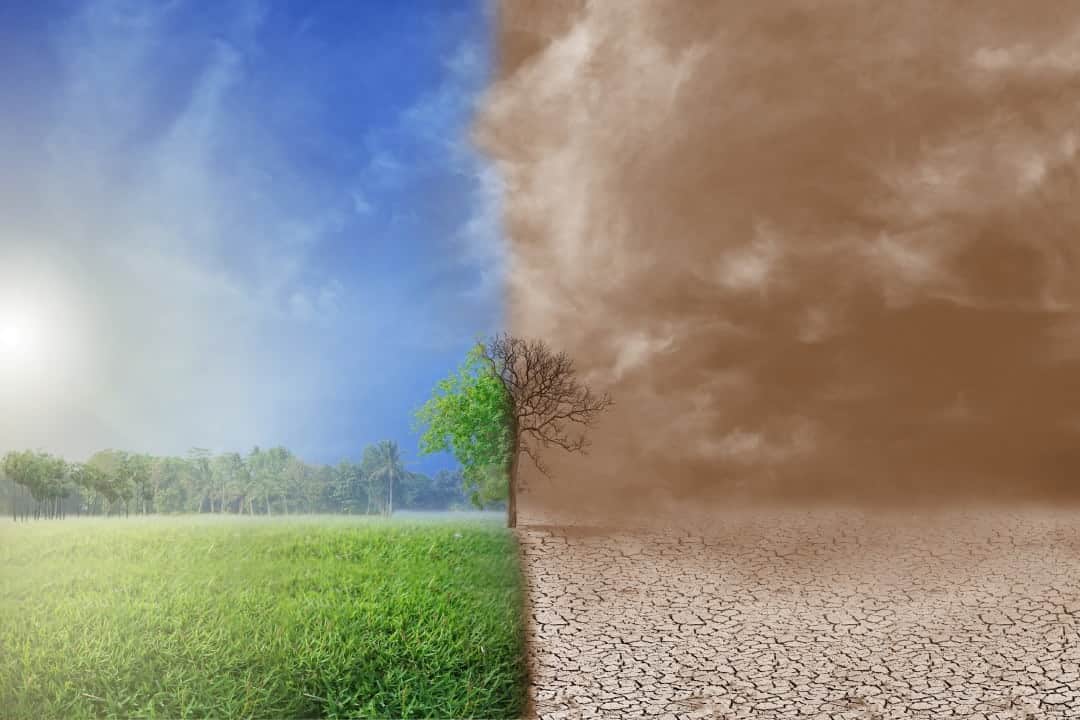
The winter and spring of 2024-2025 in the United States are likely to be significantly influenced by the La Niña climatic phenomenon, a natural event widely known for its consequences on global weather patterns. This phenomenon is characterized by the cooling of surface waters in the equatorial Pacific Ocean, directly affecting weather patterns around the world. In the United States, the expected effects include harsher winters in some regions, droughts in others, and significant changes in precipitation and temperature patterns. Although projections indicate this La Niña event will be weak, preparation and adaptation are crucial to minimizing socioeconomic and environmental impacts.
La Niña is often accompanied by an intensification of trade winds, which push warm waters westward, allowing cooler waters to emerge on the Pacific surface. This shift has global repercussions, including extreme rainfall patterns and significant temperature variations. In the United States, La Niña plays a key role in intensifying weather events such as snowstorms, torrential rains, or even prolonged droughts. This climatic cycle can also interact with other meteorological factors, amplifying the expected impacts.
Meteorological authorities have already warned of a greater than 50% probability of La Niña developing during the critical period from December 2024 to February 2025. This projection, though moderate, serves as an indicator that the agricultural, energy, and water management sectors must prepare for challenging climatic scenarios, especially in the most vulnerable regions.
What characterizes La Niña and its global implications
The La Niña phenomenon is the opposite of El Niño and reflects a cooling phase of the equatorial Pacific Ocean waters. This pattern not only alters regional climatic cycles but also affects global atmospheric circulation, interfering with extreme events such as floods, droughts, tropical cyclones, and cold fronts. La Niña’s impact is not restricted to a specific season, influencing both winter and spring.
In North America, the consequences include harsher winters in northern and western states, as well as intense droughts in areas such as the southern and southwestern U.S. In Brazil, for example, La Niña has historically been associated with increased rainfall in the North and Northeast regions, while the South experiences periods of drought.
Regional impacts in the United States
- Northwest and northern regions: Winters with higher snowfall and below-average temperatures are expected. States like Washington, Oregon, and Idaho may face severe snowstorms, increasing challenges for infrastructure and transportation.
- South and southwest regions: Drier and warmer conditions are expected, especially in states like California, Texas, and Florida. These areas already face significant water deficits, and the intensification of La Niña could worsen water scarcity, increasing the risk of wildfires.
- Midwest and Northeast: Less predictable climatic variations, but with potential for localized extreme events. Areas near the Great Lakes may experience colder winters, while the Mid-Atlantic shows fluctuations in temperature and precipitation.
The historical significance of La Niña in the United States
Past La Niña events highlight the relevance of this phenomenon. The winter of 2010-2011, for example, recorded snowfall records in northeastern states, while the 2011 drought devastated Texas and parts of the southwest. These episodes underscore the need to understand and monitor La Niña to mitigate damage.
Additional climatic factors influencing La Niña
In addition to La Niña, factors such as the North Atlantic Oscillation (NAO) and Arctic Oscillation (AO) also affect the climate. The NAO directly influences Atlantic conditions, potentially amplifying snowstorms on the East Coast, while the AO impacts cold fronts from the Arctic. The interaction between these phenomena makes climatic patterns even more complex and unpredictable.
Effects on agriculture and the economy
Agriculture will be one of the sectors most affected by La Niña. Water-dependent crops, such as corn and soybeans, will face challenges in the Midwest and South. In contrast, wetter regions in the North may benefit from additional precipitation. The economic impact will also be significant, with potential losses for rural producers and increased commodity prices.
Measures for preparation and adaptation
- Continuous climate monitoring: Investments in forecasting technologies are essential to alert vulnerable communities and sectors.
- Resilient infrastructure: Maintenance of roads, energy systems, and dams should be prioritized to minimize damage.
- Water resource management: Reservoirs and distribution networks must be optimized to handle periods of drought or excessive rainfall.
Curiosities about the phenomenon
- La Niña generally occurs every two to seven years, but its duration can vary between 9 and 12 months.
- During the winter of 1999-2000, one of the coldest of the century, La Niña was present.
- Although a natural phenomenon, studies indicate that climate change may intensify its effects.
Global effects of La Niña beyond the United States
- Asia: Above-average rainfall can cause flooding in countries like Indonesia and the Philippines.
- Africa: Severe droughts in southern regions of the continent often accompany La Niña episodes.
- South America: Increased rainfall in the Amazon region and drought in the Southern Cone.
Spring 2025 forecasts
Although La Niña typically weakens during spring, its residual effects may persist, including irregular precipitation and temperature patterns. States like Nebraska and Kansas, which rely on regular seasons for agriculture, must prepare for continuous adaptations.
Historical data on financial impact
- The 2011 phenomenon caused estimated agricultural losses of $10 billion in the United States.
- Severe storms associated with La Niña in 2017 resulted in damages exceeding $7 billion.
Tips for the population to face impacts
- Domestic preparation: Stock up on food, water, and supplies for climatic emergencies.
- Agricultural planning: Diversify crops and implement more efficient irrigation techniques.
- Community awareness: Participate in awareness programs and emergency training.
Key expected impacts
- Colder and wetter winters in northern United States regions.
- Intensified droughts and heat in the South and Southwest.
- Potential losses for agriculture and the economy in specific regions.
Future perspectives for La Niña
With climate change, events such as La Niña may become more intense and unpredictable. Studies continue to investigate its interactions with other climatic patterns, aiming to develop strategies for mitigation and adaptation.





