
Queen Elizabeth II’s reign, spanning over 70 years, stands as a monumental chapter in global history. As the longest-serving monarch in British history, she not only shaped the modern monarchy but also became an emblem of stability and service across the world. From her ascension to the throne at the age of 25 to her final days, her life was marked by tireless devotion to her country and the Commonwealth, which linked over two billion people. Her journey from a young naval wife to a revered figurehead symbolized resilience, duty, and an unyielding commitment to public service.
Her Majesty’s life took a dramatic turn in 1952, following the sudden death of her father, King George VI. With her ascension to the throne, she embarked on a journey of leadership during a period of immense global change. The Queen’s reign witnessed pivotal moments, including the decolonization of Africa and the Caribbean, the establishment of the European Union, and the digital revolution. Throughout, she remained a constant figure of reassurance, navigating her country through both celebrations and crises.
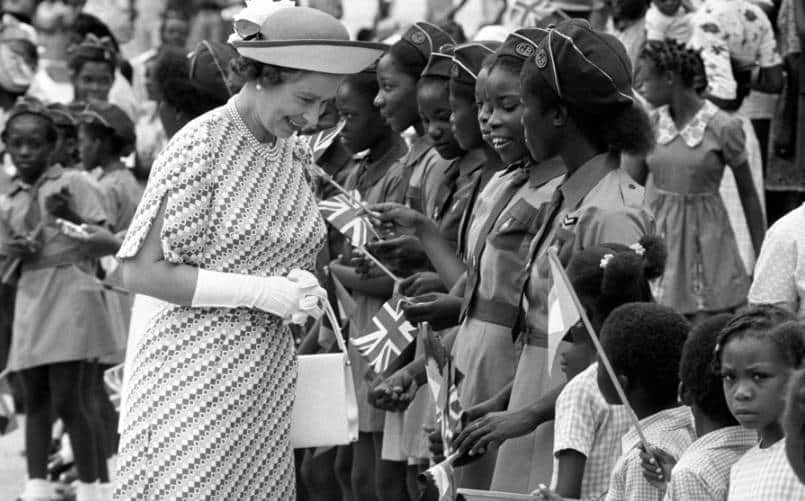
As a working monarch, her dedication to her role was unwavering. Her extensive travels both within the UK and overseas were a testament to her deep connection with the people she served. Whether visiting the remotest parts of the Commonwealth or engaging with communities in Britain, her presence was a symbol of unity and continuity.
A Life of Service and Diplomacy
Queen Elizabeth II’s state duties were extensive and varied. At the core of her daily life were the red boxes containing state papers requiring her attention. Her responsibilities included approving parliamentary bills, appointing prime ministers, and maintaining regular audiences with them. Over the course of her reign, she worked with 15 UK prime ministers, beginning with Winston Churchill, and met with countless international leaders.
Her diplomatic engagements were equally significant. Acting as a hostess and representative of the UK, she welcomed over 110 presidents and prime ministers to the country. These state visits not only strengthened diplomatic ties but also showcased her role as a unifying global figure.
Supporting Communities and Recognizing Achievements
Queen Elizabeth II’s role extended far beyond her official duties. Her connection to over 500 charities and organizations as a royal patron or president underscored her commitment to public and voluntary service. These organizations, ranging from global charities to local initiatives, benefited immensely from her advocacy and recognition.
Her patronages covered diverse areas, including environmental conservation, youth development, and healthcare. For instance, the Queen’s Young Leaders programme launched in 2014 aimed to empower exceptional young individuals tackling challenges in their communities. Through initiatives like these, she left an indelible mark on countless lives.
Her Majesty also played a central role in celebrating and honoring achievements across the Commonwealth. The UK’s honors system allowed her to confer titles such as MBEs and OBEs on individuals from various walks of life, acknowledging their contributions to society. Garden parties, receptions, and awards ceremonies were avenues for her to personally thank those who made significant contributions to the nation.
???? This week, The Queen spoke to three winners of the Commonwealth Points of Light award to celebrate their achievements
— The Royal Family (@RoyalFamily) November 29, 2020
????Each week The Queen awards one volunteer from across the commonwealth with a Points of Light award in recognition of their outstanding initiatives???? pic.twitter.com/2kpJC9X1S3
Family and Faith as Pillars of Strength
Throughout her reign, the Queen was supported by her family, particularly her husband, Prince Philip, Duke of Edinburgh. Their partnership was a cornerstone of her personal and public life. Together, they raised four children, who later became instrumental in supporting the monarchy’s activities.
Her Christian faith was another source of strength. In her annual Christmas broadcasts, she often reflected on the teachings of Jesus Christ and the solace they provided. Her 2014 message emphasized reconciliation, acceptance, and healing—values that resonated deeply with her leadership style.
The Queen’s Role in Modernizing the Monarchy
While her reign was rooted in tradition, Queen Elizabeth II also embraced change, ensuring that the monarchy remained relevant in a rapidly evolving world. She adapted to technological advancements, with the royal family’s first televised Christmas broadcast in 1957 and later their presence on social media platforms. These efforts bridged the gap between tradition and modernity, allowing the monarchy to connect with younger generations.
Her ability to balance continuity with change was evident in her response to societal shifts. From the liberalization of the 1960s to the challenges of the 21st century, she maintained the monarchy’s relevance while respecting its historical significance.
A Symbol of Stability in Times of Crisis
The Queen’s reign was marked by numerous global and national crises, from economic recessions to political upheavals. Her calm and steady presence during these times earned her the respect and admiration of millions. Whether addressing the nation during periods of mourning or celebrating milestones like her Silver, Golden, and Diamond Jubilees, she embodied resilience and unity.
Her response to personal and public challenges further endeared her to the people. From navigating family controversies to addressing the evolving role of the monarchy, she consistently demonstrated grace and dignity.
The Legacy of Queen Elizabeth II
Queen Elizabeth II’s impact transcends borders and generations. Her reign was not just a testament to her longevity but also to her unwavering dedication to her role. As a leader, she inspired countless individuals with her commitment to duty and service. Her contributions to diplomacy, charity, and national unity will be remembered as defining aspects of her legacy.
Her Majesty’s passing marked the end of an era, but her influence endures. The values she upheld—duty, service, and compassion—continue to guide the monarchy and resonate with people worldwide. Queen Elizabeth II’s life and reign remain a source of inspiration, reflecting the profound impact of a leader who dedicated her life to the service of others.
