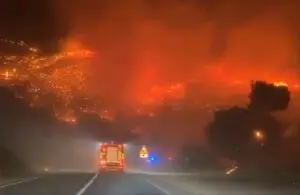
Severe Thunderstorm Warning Issued for Wilcox County: 50 mph Winds and Tornado Watch in Effect
A powerful storm system swept through Wilcox County, Alabama, on the night of February 12, 2025, bringing intense winds and dangerous weather conditions. The National Weather Service (NWS) issued a severe weather alert at 10:45 p.m., warning residents of strong thunderstorms moving at an alarming speed of 70 mph. The storm, first detected four miles southeast of Yellow Bluff and about 10 miles southwest of Camden, had the potential to produce wind gusts of up to 50 mph. This posed significant risks, including falling tree limbs and unsecured objects becoming airborne hazards.
The warning specifically targeted Camden and Yellow Bluff, areas expected to feel the brunt of the storm’s impact. With the system moving so quickly, residents had little time to prepare before the high winds and thunderstorms arrived. Authorities advised the public to take shelter immediately, as outdoor exposure during such conditions could be extremely dangerous. Additionally, a Tornado Watch was issued and remained in effect until 3 a.m. across south-central Alabama, signaling the potential for tornado formation.
Local emergency responders closely monitored the situation to ensure public safety. Utility crews were placed on standby to address potential power outages caused by fallen power lines, while residents were urged to stay indoors and avoid unnecessary travel.
The Dangers of Lightning and the Importance of Thunderstorm Safety
Mais sobre o assunto: Alerta de tempestade severa emitido para o condado de Wilcox: ventos de 50 mph e alerta de tornado em vigor
Severe thunderstorms often come with one of nature’s most dangerous elements: lightning. Each year, approximately 25 million lightning strikes occur across the United States, with most incidents happening during the summer months. The impact of these electrical discharges can be catastrophic, leading to fires, electrical failures, and even fatalities. On average, lightning is responsible for about 20 deaths annually and numerous injuries.
The National Weather Service strongly advises people to seek immediate shelter upon hearing thunder. If thunder is audible, lightning is close enough to strike. Remaining outdoors in such conditions dramatically increases the risk of injury or death.
Essential Lightning Safety Measures
- Have a safety plan: Always check weather forecasts before going outside, especially during storm-prone seasons.
- Monitor the sky: If dark clouds, lightning, or thunder are present, seek shelter immediately.
- Find safe shelter: Indoors, inside a substantial building, or in a metal-roofed vehicle.
- Avoid using electrical devices: Corded phones, computers, and household appliances should not be used during a thunderstorm.
- Stay away from water and metal: Avoid touching plumbing fixtures, pipes, and other conductive materials that could carry an electrical charge.
What to Do If No Shelter Is Available
If caught outdoors with no access to shelter during a thunderstorm, follow these precautions:
- Avoid open areas: Fields, beaches, and hilltops increase exposure to lightning strikes.
- Stay away from isolated trees: Tall objects, including lone trees, are frequent lightning targets.
- Spread out if in a group: Standing too close to others increases the risk of multiple injuries if lightning strikes.
- Steer clear of bodies of water and metal objects: Lakes, rivers, and metal conduct electricity and pose a serious risk.
Impact of Storms on Infrastructure and Public Services
Severe thunderstorms not only pose direct threats to human safety but also have significant consequences on infrastructure. The effects of 50 mph wind gusts include:
Veja Também

A verdadeira “maldição da múmia”: estudo revela riscos graves à saúde em restos mumificados vendidos online

Usina nuclear de Gravelines, na França, tem reatores afetados por águas-vivas pelo segundo ano consecutivo

Corredora Ashley Paulson faz 160 km em esteira e quebra recorde mundial com marca impressionante
Saiba mais: Severe storm alert in New York: high winds and lightning threaten city
- Fallen trees and power lines, leading to widespread power outages.
- Flash flooding, especially in areas with poor drainage systems.
- Structural damage to buildings, roofs, and vehicles, caused by windborne debris.
- Transportation disruptions, as flooded or obstructed roads cause delays and detours.
Emergency response teams work swiftly to restore services and address damage caused by high winds, heavy rain, and lightning.
Historical Extreme Weather Events in Alabama
Alabama is no stranger to severe weather, facing a variety of meteorological hazards throughout the year, including tornadoes, hurricanes, and thunderstorms. Some of the most significant events in recent history include:
- April 2011: One of the deadliest tornado outbreaks in U.S. history, with over 60 tornadoes sweeping across Alabama in a single day.
- March 2019: Severe storms triggered flash flooding, damaging hundreds of homes in southern Alabama.
- January 2023: Winds exceeding 70 mph caused widespread destruction in cities like Montgomery and Birmingham.
Road Safety Tips During Heavy Rain and Storms
Drivers face additional challenges when navigating through severe weather. To reduce accident risks, follow these guidelines:
- Slow down: Wet roads increase stopping distances and the likelihood of hydroplaning.
- Avoid sudden braking: Abrupt stops can lead to skidding and loss of control.
- Maintain a safe following distance: Rear-end collisions are more common in rainy conditions.
- Use headlights: Visibility is crucial during heavy rain to ensure other drivers can see you.
- Stay away from flooded roads: Even a few inches of water can cause a vehicle to lose control or become stranded.
Key Highlights of the Wilcox County Storm
No mesmo tema: Olympic medalist Audun Grønvold dies at 49 after lightning
- The severe weather alert was issued at 10:45 p.m., with conditions persisting until 11:15 p.m.
- Wind gusts reached 50 mph, strong enough to cause structural damage and downed trees.
- The storm system moved at a speed of 70 mph, giving residents little time to react.
- A Tornado Watch remained active until 3 a.m., increasing concerns about tornado formation.
- Areas most affected included Camden and Yellow Bluff.
Future Weather Predictions and Ongoing Monitoring
Meteorologists continue to track weather patterns for potential upcoming severe weather events. As climate patterns shift and storms become more unpredictable, advancements in forecasting aim to provide earlier warnings and improve public safety measures. The National Weather Service advises Alabama residents to stay updated with real-time alerts and maintain emergency preparedness plans to respond efficiently to extreme weather threats.