Papal Succession Process in the Vatican: Rituals, Tradition, and Election of the New Pope

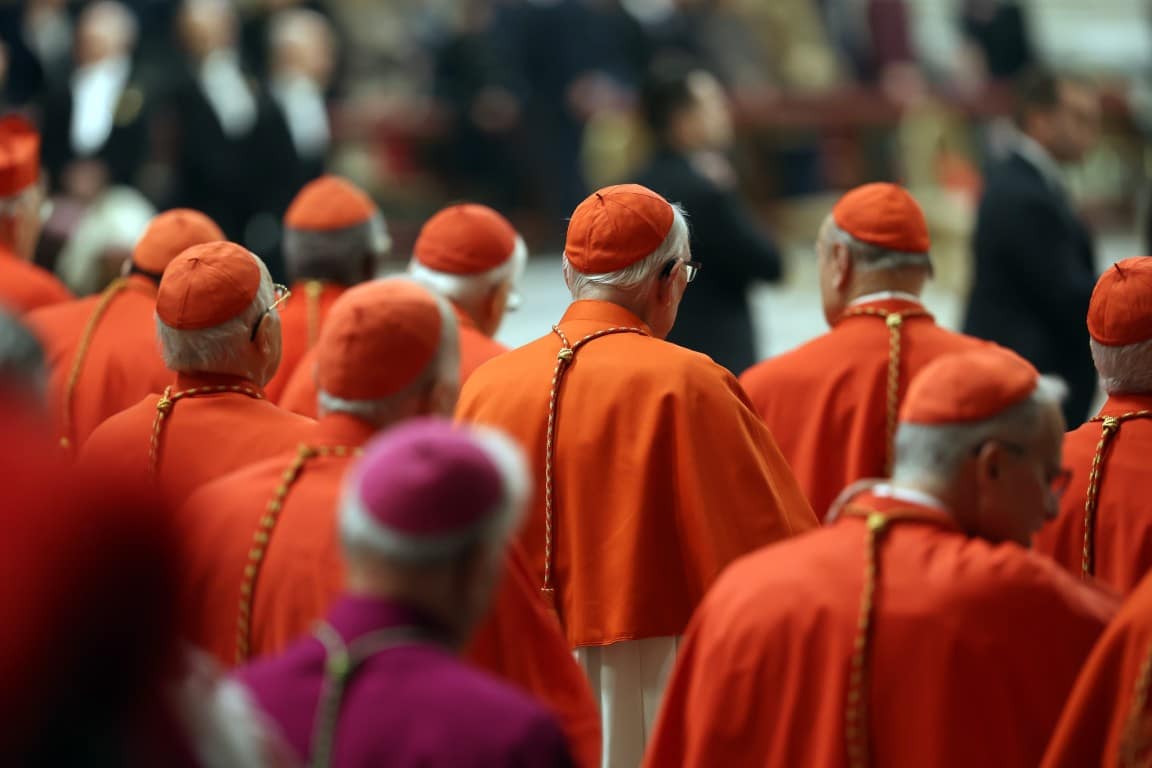
The transition of a Pope is one of the most significant events within the Catholic Church, following a meticulously structured protocol that has been upheld for centuries. This process occurs under two primary circumstances: the death of the reigning pontiff or his resignation, as seen with Pope Benedict XVI in 2013. When a Pope passes away, a period known as sede vacante begins, during which the College of Cardinals assumes the administration of the Church while preparing for the election of a new leader of the Holy See. The Pope’s death initiates a series of formal rites, including the official verification of death by the Camerlengo, the destruction of the Fisherman’s Ring—symbolizing papal authority—and the preparation of the body for the funeral at St. Peter’s Basilica.
The successor is chosen through the Conclave, an exclusive meeting of eligible cardinals held in the Sistine Chapel. During this event, the cardinals remain completely isolated from the outside world and conduct successive rounds of voting until one candidate secures at least two-thirds of the votes. Once elected, the Vatican announces the new Pope’s selection through the traditional white smoke rising from the Sistine Chapel chimney. The newly chosen pontiff then selects a papal name and makes his first public appearance on the balcony of St. Peter’s Basilica, where the Habemus Papam proclamation is declared.
In cases of resignation, the procedure resembles that of a papal death but with some key differences. The abdicating Pope must formally declare his decision to the College of Cardinals and establish an official date for his departure. Once the resignation is enacted, the sede vacante period begins, leading to the organization of the Conclave and the election of a new Church leader. Papal resignation is a rare but canonically recognized event that carries profound implications for the Church’s governance.
Rituals Following the Death of a Pope
When a Pope dies, the Vatican follows a strictly organized protocol to ensure a smooth transition of leadership within the Church. This period significantly impacts both the faithful and the ecclesiastical administration.
- Death verification: The Camerlengo, responsible for administering the Church during the sede vacante, officially confirms the Pope’s death by calling his baptismal name three times.
- Destruction of the Fisherman’s Ring: To symbolize the end of the deceased pontiff’s authority, his ring is ceremonially broken.
- Funeral and mourning: The Pope’s body is displayed at St. Peter’s Basilica for public farewell. The funeral, adhering to strict religious traditions, occurs within nine days.
- Beginning of sede vacante: The Vatican remains leaderless, and the College of Cardinals takes over provisional governance.
- Conclave convening: The Camerlengo summons the cardinals to elect the next Pope, a process that must take place within 15 to 20 days after the pontiff’s passing.
How Does a Pope Resign?
Papal resignation is an extraordinary decision that must be formally announced. Unlike the automatic transition triggered by a Pope’s death, a resignation requires advance planning and coordination among the cardinals.
Stages of the resignation process:
- Official announcement: The Pope informs the College of Cardinals and the Catholic community of his decision.
- Establishment of resignation date: The Pope continues to perform his duties until the designated date.
- Sede vacante period: Upon the Pope’s departure, the Vatican initiates the succession process.
The Conclave: Electing the New Pope
The Conclave is the most crucial event in the papal succession process, governed by strict rules to ensure the legitimacy of the election.
- Complete isolation: Cardinals are confined to the Sistine Chapel and prohibited from any external communication.
- Successive voting rounds: Each cardinal writes a candidate’s name on a ballot and deposits it into an urn.
- White or black smoke: If no Pope is elected, black smoke signals continued voting. When a new pontiff is chosen, white smoke announces the decision.
- Acceptance by the elected: The chosen cardinal must accept the role and select a papal name before appearing before the faithful.
Curiosities About Papal Succession
- The youngest Pope elected was only 18 years old.
- The longest Conclave lasted over two years (1268-1271).
- St. Peter’s Basilica houses the tombs of numerous Popes throughout history.
- The Vatican is the world’s smallest country, covering only 0.44 km².
Recent Papal Succession Timeline
- 2005: Death of John Paul II and election of Benedict XVI.
- 2013: Resignation of Benedict XVI and election of Pope Francis.
- 2025: Expectations surrounding potential changes in Church leadership.
Facts and Statistics About the Papacy
- The Vatican has fewer than 1,000 residents but receives millions of visitors annually.
- Pope John Paul II led the Church for 27 years, one of the longest pontificates in history.
- There are currently more than 400,000 priests worldwide.
Insights and Information on the Vatican and the Papacy
- The Pope wears a unique ring, the Fisherman’s Ring, which is destroyed upon his death.
- The Swiss Guard has protected the Vatican since 1506.
- The modern Conclave follows rules established by Pope John Paul II.
- The white smoke signaling the election of a new Pope is created by burning ballots mixed with chemical substances.
The Significance of Papal Election for the Catholic Church
Papal succession is a momentous event for the Catholic world. The newly elected leader will guide the Church through contemporary challenges, social issues, and technological advancements that influence faith and tradition.