Adolescence on Netflix: series exposes 13-year-old’s crime and family guilt in 2025

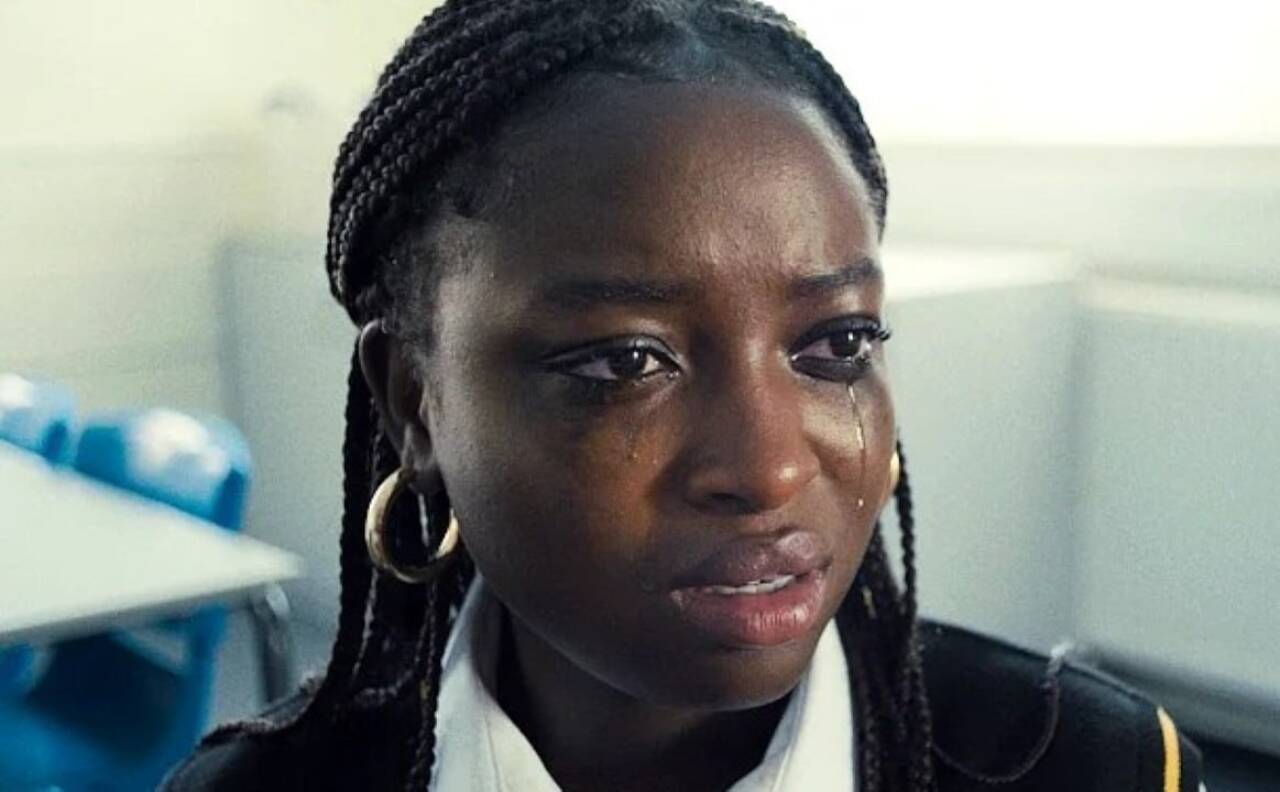
Launched on March 13, 2025, the Netflix miniseries Adolescence has gripped audiences worldwide with its fictional tale of a murder in rural England, perpetrated by a 13-year-old boy. Starring and created by Stephen Graham, the production stands out for its bold use of the single-shot technique, simulating one continuous take, delivering a raw and immersive experience. Within hours of its debut, the series soared to the top of the platform’s most-watched list, fueled by its intense storyline and discussions on parental responsibility and digital influence.
The plot centers on Jamie, a boy caught on security cameras killing his schoolmate Katie in a parking lot. Despite the clear footage, the murder weapon remains missing, sparking debates among characters about the case’s strength. Beyond unraveling a mystery, Adolescence dives into the social and emotional layers surrounding the act, focusing on Jamie’s family—led by Eddie (Graham) and Manda—and the devastating ripple effects of the crime. Though fictional, the narrative draws from contemporary realities, resonating with viewers through its authenticity.
Set in everyday British locales like schools and convenience stores, the series employs a realistic style to explore a community shaken by tragedy. Stephen Graham, renowned for roles in Boardwalk Empire and Peaky Blinders, delivers a powerhouse performance as a father grappling with guilt and public backlash. The finale, marked by heavy silences and poignant dialogue, underscores the notion that such youthful tragedies often stem from collective failures.
Roots of the story and real-world echoes
Stephen Graham has shared that Adolescence isn’t based on a single true event but draws from his own teenage years in Europe. Growing up amid social and familial challenges shaped his vision for the series, which mirrors universal struggles like adolescent isolation and school violence. Recent data reveals a 12% rise in crimes by minors in the UK since 2020, lending credibility to the fictional narrative.
The single-shot approach heightens the storytelling. Each episode, filmed without visible cuts, creates a real-time feel, pulling viewers into the family’s ongoing turmoil. Graham’s intent was to capture the unrelenting nature of their suffering, from the crime’s aftermath to its most painful consequences, like community rejection.
Shot in small English towns, the production uses real locations to ground the story. The parking lot where the murder unfolds, for instance, is an ordinary space turned into a symbol of preventable tragedy. This attention to visual detail enhances the documentary-like tone, making Adolescence feel less like fiction and more like a warning about today’s youth.
Unveiling the culprit in Adolescence
The series’ climax confirms Jamie as Katie’s killer. Security footage captures the 13-year-old in the act, and he ultimately pleads guilty, quashing any doubts about his involvement. Yet, the missing murder weapon lingers as a point of contention, hinting at investigative flaws that the narrative leaves unresolved, prioritizing human context over procedural closure.
Jamie is portrayed as an average teen with signs of familial disconnect and exposure to extremist online ideas. Recent studies show 35% of British youths aged 12-15 have encountered radical content online, often unsupervised. In Adolescence, this becomes pivotal: Jamie appears swayed by toxic rhetoric from digital forums, a factor his parents, Eddie and Manda, recognize too late.
As Jamie takes accountability, the focus shifts to those around him. Eddie faces vandalism—his work van defaced with slurs—while Manda wrestles with her emotional absence in her son’s life. The script implies the crime isn’t just an individual act but the product of an environment that failed to provide guidance and boundaries.
Fallout on family and community
One of the most gripping episodes unfolds during Eddie’s birthday, where the family attempts normalcy amid chaos. The celebration crumbles as hostile teens trail them to a convenience store, where a local youth defends Jamie, blaming Katie and questioning the police evidence. This scene mirrors a rising trend: online conspiracy theories gaining traction in real communities, reshaping perceptions of crime.
This clash highlights the role of social media, a recurring theme. Reports indicate a 45% surge in digital platform use by UK minors over the past five years, often exposing them to groups like incels who justify violence against women. In Adolescence, the youth’s speech in the store echoes these ideologies, showing how the internet can amplify warped views and erode trust in institutions.
Eddie and Manda, brought to life with depth by Graham and Anne-Marie Duff, emerge as flawed yet relatable parents. Eddie’s grueling job as a driver and Manda’s emotional distance left a void that Jamie filled with external influences. The series doesn’t outright blame them but reveals how subtle neglect can spiral into catastrophic outcomes.
Timeline of key events
The miniseries unfolds over a tight sequence of days following the crime. Here’s the breakdown:
- Day 1: Jamie kills Katie in the school parking lot, captured on camera.
- Day 3: Police identify Jamie as the suspect, and the family faces initial backlash.
- Day 6: On Eddie’s birthday, community hostility peaks at the convenience store.
- Day 8: Jamie pleads guilty, prompting his parents to reflect on their role.
This structure keeps the pace brisk, with the single-shot technique amplifying the urgency. Each moment marks a step in the family’s unraveling, depicted with unflinching realism.
Digital and social influences in the spotlight
Adolescence digs deeper than the crime, examining how social media shapes vulnerable teens. The series shows local youths crafting narratives that defend Jamie and vilify Katie, reflecting real-world trends: about 20% of European teens have engaged with online communities promoting radicalization, per recent studies. The lack of parental or school filters worsens the issue.
The production also probes institutional efficacy. Despite the footage, the missing weapon fuels public skepticism, a common scenario—10% of UK minor convictions are challenged due to evidentiary gaps. This detail underscores the theme of distrust in authorities, magnified by online debates.
At the convenience store, Eddie’s verbal standoff with Jamie’s defender encapsulates this crisis. The scene illustrates how toxic ideas, spread digitally, take root in real communities, complicating collective healing after tragedies.
Behind-the-scenes and technical feats
Filming in single takes demanded months of rehearsal, aligning cast and crew with precision. Each 40-minute episode was shot as one continuous sequence, a technical marvel Graham likened to “live theater.” The outcome is a seamless narrative that keeps viewers locked in without breaks to ease the tension.
The cinematography, with muted grays, mirrors rural England’s bleakness, while a sparse soundtrack keeps the focus on the performances. Real locations—parking lots, schools—lend authenticity, avoiding studio polish. Anne-Marie Duff, as Manda, complements Graham with a restrained yet impactful portrayal.
Completed in just three months, the production stunned with its efficiency without compromising quality. A predominantly British cast roots the series in its cultural context, honoring Graham’s vision.
Fascinating facts about Adolescence
The miniseries offers intriguing tidbits that enhance its appeal. Check out these highlights:
- Stephen Graham drew inspiration from talks with at-risk UK teens.
- The single-shot style was tested in short films before the series.
- Real locations were chosen to reflect everyday British life.
- Psychologists advised the team to handle youth violence sensitively.
These elements showcase the care taken to craft a meaningful and grounded work.
Instant hit and future outlook
Since its March 13, 2025 debut, Adolescence topped Netflix’s charts, with strong viewership in the UK, US, and Brazil. Its timely theme, innovative format, and stellar acting drew millions, cementing it as a 2025 streaming milestone.
Critics praise its bold storytelling and technical prowess, spotlighting Graham’s performance and the single-shot trend it may spark. With this early triumph, Adolescence is poised as one of Netflix’s most impactful releases of the year, hinting at broader influence ahead.