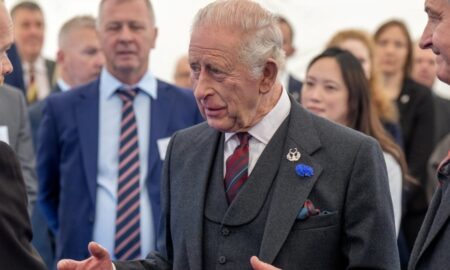
Queen Camilla marks 100 years of Charles Dickens Museum with historic London visit


Last Wednesday, March 26, Queen Camilla made a significant appearance at the Charles Dickens House Museum in London to commemorate its 100th anniversary. Situated on Doughty Street, the museum—once the home of the celebrated British writer Charles Dickens from 1837 to 1839—first welcomed the public in 1925 after being rescued from demolition by the Dickens Fellowship. During the event, Camilla explored the premises, delving into an extensive collection of over 100,000 items, the world’s most comprehensive archive of Dickens’ life and works. The visit underscored the cultural importance of the site, which houses original manuscripts, personal letters, and everyday objects from Dickens’ time, while reaffirming the British royal family’s dedication to preserving literary heritage. Joined by the writer’s descendants and notable figures, the queen enjoyed captivating readings and met the devoted staff and volunteers who keep alive the memory of one of England’s literary giants.
Charles Dickens, born in 1812, resided at 48 Doughty Street during a pivotal phase of his career, penning iconic works like “Oliver Twist” and “The Pickwick Papers.” Now celebrating 100 years since its opening, the museum stands as a literary milestone, offering visitors a glimpse into the author’s life and the Victorian London that shaped his stories. Camilla’s presence not only spotlighted the centennial but also emphasized the value of efforts linking past and present through culture and education.
During her tour, Queen Camilla was guided by three direct descendants of Dickens, who shared family anecdotes and insights into his enduring legacy. The visit featured interactions with the collection, including rare letters and original sketches, alongside a special performance by actors Simon Callow and Miriam Margolyes—both museum patrons—who brought to life excerpts from Dickens’ letters and passages from “A Christmas Carol.” The occasion highlighted the museum’s role as a vibrant hub of memory and learning.
Highlights of the royal visit
Camilla’s time at the Charles Dickens House Museum was filled with activities celebrating its history. Key moments included:
- A guided tour by Dickens’ descendants, sharing tales of the author’s life.
- Displays of rare items, such as manuscripts and personal belongings.
- Live readings by Simon Callow and Miriam Margolyes, featuring letters and classic works.
- A meeting with museum staff, who outlined their preservation efforts.
These moments captured the spirit of the centennial and the royal connection to literary culture.
A century of history on Doughty Street
The Charles Dickens House Museum boasts a unique journey that began in the early 20th century. Facing demolition in 1923, the Doughty Street house was saved through the efforts of the Dickens Fellowship, an organization committed to studying and preserving the writer’s legacy. After two years of restoration, it opened as a museum in 1925, becoming London’s first space solely dedicated to Dickens. Today, the Georgian building holds an impressive collection of over 100,000 items, including first editions, handwritten letters, original furniture, and even youthful poems penned by Dickens at age 18.
Over its 100-year history, the museum has grown into a global reference point for researchers, educators, and literature enthusiasts. The house, where Dickens lived with his wife Catherine and their two eldest children, mirrors the domestic setting that inspired some of his most famous tales. Camilla’s visit, occurring at a notable time for the British monarchy, brought fresh visibility to the site, which continues to draw thousands of visitors each year.
Preserving the museum for a century stands as a testament to Charles Dickens’ lasting influence. His novels, renowned for depicting Victorian social inequalities, remain relevant, and the site serves as a tangible link between past and present, keeping alive the memory of a writer who shaped global literature.
Charles Dickens’ legacy in the spotlight
Charles Dickens left an indelible mark on literature with works tackling poverty, injustice, and redemption. During his two years at Doughty Street, he wrote “The Pickwick Papers,” “Oliver Twist,” and began “Nicholas Nickleby,” cementing his status as a leading novelist of his time. Queen Camilla’s visit to the centennial museum shone a light on both his literary output and personal life, reflected in items like the desk where he crafted “Great Expectations” and “A Tale of Two Cities,” permanent fixtures in the collection.
Spanning Dickens’ entire life, from his early writings to his death in 1870, the museum’s collection includes original illustrations by artists like Hablot Knight Browne and John Leech, who worked with him on various publications. The centennial exhibition, “Dickens in Doughty Street: 100 Years of the Charles Dickens Museum,” features rarities such as a portrait lost for 174 years, rediscovered in South Africa in 2017 and acquired in 2019 after a £180,000 fundraising campaign.
A standout moment of the visit was Miriam Margolyes’ reading of “A Christmas Carol” excerpts, which Camilla noted always reveals new layers. Published in 1843, the work is among Dickens’ most famous, showcasing his knack for blending social critique with compelling storytelling—a trait evident throughout his career.
Timeline of the museum and Dickens’ life
The Charles Dickens House Museum’s history intertwines with the writer’s life. Key milestones include:
- 1812: Charles Dickens is born in Portsmouth, England.
- 1837-1839: Dickens lives on Doughty Street, writing works like “Oliver Twist.”
- 1923: The Dickens Fellowship purchases the house to prevent its demolition.
- 1925: The museum opens to the public.
- March 26: Queen Camilla visits to mark its 100th anniversary.
This timeline illustrates the link between Dickens’ life and the transformation of his former home into a cultural space.
The significance of Camilla’s visit
Queen Camilla’s presence at the Charles Dickens House Museum transcended a mere celebration. Known for championing reading and education, she launched The Queen’s Reading Room in 2021, an initiative promoting book access and literary appreciation. Her museum visit reinforced this mission, highlighting Dickens’ role in encouraging reading across all ages. She engaged with volunteers and staff, hearing how the museum impacts the local community and global visitors.
Amid challenges for the British monarchy, such as King Charles III’s health and generational shifts, Camilla’s visit symbolized the royal family’s ongoing cultural commitment. Her role in the centennial drew renewed attention to the museum, which aims to expand its educational programs and reach new audiences.
Camilla praised the museum team’s efforts in maintaining it as a hub for scholars and enthusiasts. Her interactions with Simon Callow and Miriam Margolyes, esteemed in theater and film, added a special touch, bridging Dickens’ past with the present through art.
A priceless collection
Recognized as the world’s largest repository of Dickens-related items, the Charles Dickens House Museum holds over 100,000 pieces, from personal letters to rare book editions and everyday objects offering a peek into Victorian life. During her visit, Camilla viewed treasures like the “A Christmas Carol” manuscript and early illustration sketches for Dickens’ first editions.
Over its 100 years, the museum’s curation has balanced preserving the home’s domestic feel with showcasing historical artifacts. Rooms like the dining area and Dickens’ study retain original furniture, while other spaces display documents and artworks narrating his story and era. The centennial exhibition highlights this duality, delivering an immersive, informative experience.
The collection’s depth also reflects Dickens’ versatility as a writer. His stories, first published as serials, reached readers across social classes—a rare feat in the 19th century. Camilla’s visit emphasized the museum’s accessibility, serving both academics and the general public.
Charles Dickens and Victorian London
Living on Doughty Street marked a turning point for Dickens. At 25, already a rising writer, moving into the Georgian house signaled newfound financial and creative stability. London’s bustling streets and social contrasts fueled his tales, and the museum preserves this link by recreating his working environment. Camilla explored rooms showing how the city shaped works like “Oliver Twist,” which exposed the plight of orphans and the poor.
The Victorian era, defined by industrial progress and stark inequalities, provides essential context for understanding Dickens. His serialized novels reached a wide audience, mirroring a society in flux. Celebrating 100 years, the museum keeps this context alive, helping visitors grasp his impact then and now.
Camilla’s visit also spotlighted the timelessness of Dickens’ themes. Poverty and injustice, core to his narratives, still echo in modern debates, with the museum serving as a reminder of literature’s power to spark reflection and change.
The role of patrons and volunteers
Simon Callow and Miriam Margolyes, museum patrons, were central to Camilla’s visit. Callow, known for “Four Weddings and a Funeral,” and Margolyes, of “Harry Potter” fame, brought Dickens’ words to life, delighting the queen and attendees. Their readings of personal letters and “A Christmas Carol” showcased his blend of emotion and social critique, masterfully performed.
Volunteers and staff also shone during the visit. Camilla spoke with team members who shared stories of maintaining the collection and its community impact. Many have dedicated decades to the site, making it a cultural cornerstone. The queen acknowledged their collective work in keeping Dickens’ legacy accessible.
The presence of Dickens’ descendants added a personal note. They shared family tales, explaining how the museum preserves not just his works but the memory of a man who was a father, husband, and public figure.
A cultural milestone for the future
Queen Camilla’s visit to the Charles Dickens House Museum was more than a look back—it signaled a forward gaze. The centennial marks a new chapter, with plans to expand exhibitions and educational outreach. The special exhibit, running all year, features rarely seen items like a rediscovered portrait and letters about Dickens’ marriage’s end, offering a deeper view of the author.
The event bolstered the museum’s status as a tourist and academic draw. In 2023, the UK welcomed about 38 million international visitors, many seeking cultural experiences like this. Doughty Street’s preserved ambiance appeals to literature fans and history buffs, with Camilla’s visit likely boosting interest further.
Her involvement, tied to her reading advocacy, aligns with the museum’s goals of promoting education and cultural access. The spotlight on a century of work paves the way for Dickens’ legacy to inspire future generations.
Fascinating facts about the museum and Dickens
The Charles Dickens House Museum holds captivating stories. Here are some highlights:
- The house nearly faced demolition in 1923 but was saved by a public campaign.
- Dickens wrote three major novels there at just 25 years old.
- The museum boasts the world’s largest Dickens collection, with over 100,000 items.
- A lost portrait of the author was found in 2017 in a South African box.
These tidbits reveal the site’s richness and Dickens’ enduring impact.