Trump raises tariffs by 10% and hits Brazil’s meat and steel exports to the US

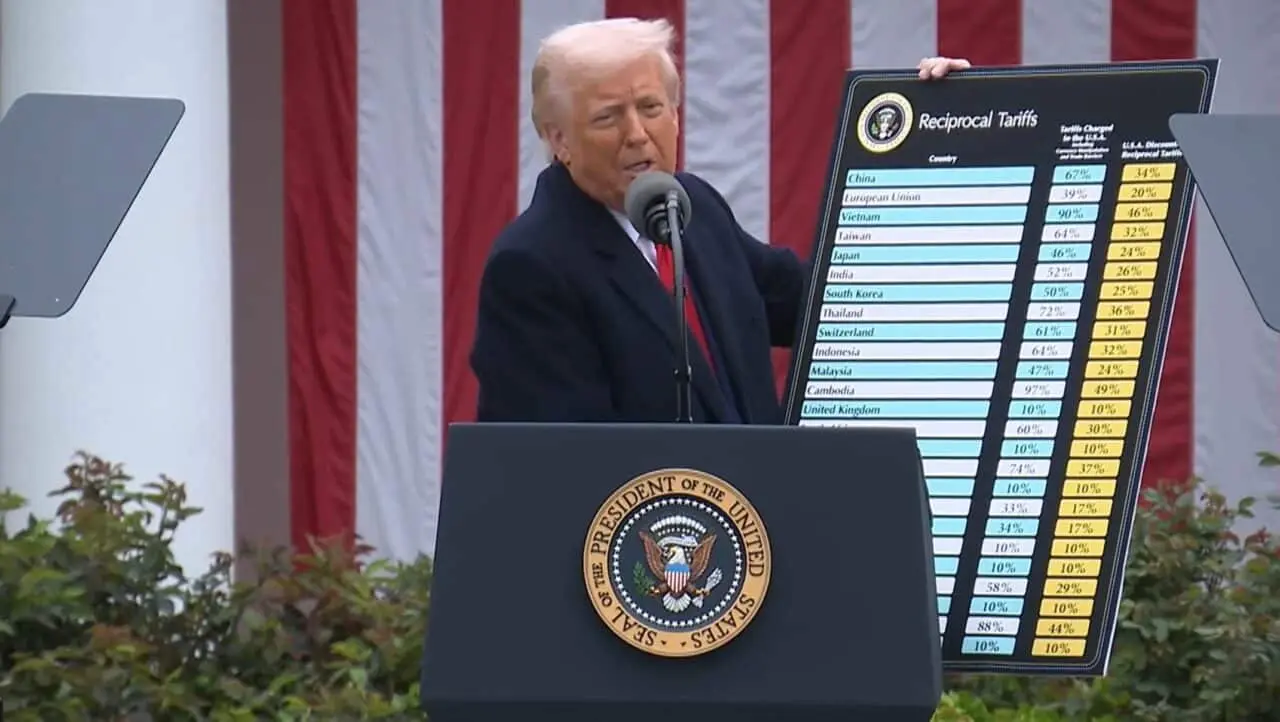
The decision by United States President Donald Trump to impose a 10% tariff increase on all Brazilian products, announced on April 2, 2025, is already reshaping trade dynamics between the two nations. Signed through an executive decree, the measure alters the entry conditions for goods such as crude petroleum oils, frozen beef, and steel products, which rank among Brazil’s top exports to the US. In 2024, these items generated billions of dollars, but they now face additional costs that could erode Brazil’s competitiveness in the American market. The impact is particularly significant for strategic sectors like agribusiness and steelmaking, which rely heavily on foreign sales to sustain their production chains.
Last year, Brazil exported approximately $40.4 billion to the United States, cementing its position as the country’s second-largest trading partner, trailing only China. Among the ten most exported products, crude petroleum oils led with $5.8 billion, followed by semi-finished iron or steel products at $2.7 billion, and coffee beans at $1.9 billion. Until now, items like oil and gasoline entered the US tariff-free, while frozen boneless beef faced a 10.8% duty. With the new decree, all these goods will incur an additional 10% tariff, potentially raising final prices and pressuring Brazilian exporters to find ways to preserve their market share.
Meanwhile, Brazil’s imports from the United States are equally robust, totaling $40.7 billion in 2024. Products like aircraft turbine parts, valued at $3.2 billion, and liquefied natural gas, at $1.6 billion, enter Brazil without taxation. The exception lies with plastic goods, such as ethylene copolymers, which face a 20% import duty. This disparity in tariff policies between the two countries has sparked debate, especially after Trump framed the measure as a response to trade barriers imposed by partner nations, including Brazil, on American exports.
Immediate effects on bilateral trade
The introduction of additional tariffs by the United States comes at a challenging time for Brazil’s economy, which recorded a trade surplus of $74.6 billion in 2024, down from $98.9 billion in 2023. This decline stemmed from a 0.8% drop in exports and a 9% rise in imports. With the US accounting for 12% of Brazil’s external sales, the tariff hike could worsen this trend, particularly for industries already grappling with price volatility and global competition. Frozen beef, which generated $885 million in US exports in 2024, will now face a total tariff of 20.8%, potentially undermining its edge against local or rival suppliers.
No mesmo tema: Trump imposes 25% tariff on steel and aluminum imports, impacting Brazil directly
The steel sector is also bracing for significant repercussions. Semi-finished iron or steel products, which brought in $2.7 billion last year, will see tariffs rise from 7.2% to 17.2%. This shift comes less than a year after Brazil implemented its own protectionist measures to shield its steel industry, signaling an escalation in trade tensions between the two nations. The trade balance with the US, nearly even in 2024, may tilt further in favor of the Americans, as Brazil has been a net importer from the US since 2009.
Sectors hit hardest by the tariff increase
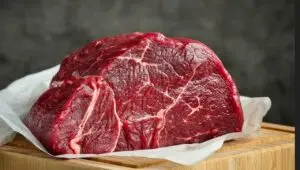
Among the Brazilian products most affected by Trump’s decree, frozen beef stands out as particularly vulnerable. In 2024, Brazil shipped around 230,000 tons of this product to the US, a 66% surge from 2023. Despite this growth, most of it already faced a 26.4% tariff outside an annual quota of 65,000 tons. With the added 10%, the total cost could climb to 36.4%, raising concerns among exporters, though some argue that the US cattle shortage—currently at its lowest level in seven decades—will keep Brazil a vital supplier.
Another heavily impacted sector is crude petroleum oils, previously exempt from US tariffs. With $5.8 billion in exports in 2024, this product accounted for 14% of Brazil’s sales to the US. The new 10% tariff could shrink profit margins for oil companies, forcing them to either absorb the cost or pass it on to American buyers. Coffee beans, generating $1.9 billion, will see tariffs jump from 9% to 19%, potentially giving competitors like Vietnam and Colombia an edge in the US market.
The aviation industry faces a mixed outlook. Aircraft and aerial vehicles, which totaled $2.4 billion in US sales in 2024, were previously tariff-free. Now, with the 10% increase, the sector risks losing ground, especially in a market where the US is the top buyer, far ahead of Canada, the second-largest at $497 million. Together, these effects threaten Brazil’s ability to maintain its foothold as the second-largest destination for its exports.
- Frozen beef: from 10.8% to 20.8% (or 36.4% outside the quota).
- Semi-finished steel: from 7.2% to 17.2%.
- Crude oil: from 0% to 10%.
- Coffee beans: from 9% to 19%.
- Aircraft: from 0% to 10%.
Reactions and strategies from the productive sector
The tariff hike caught many Brazilian exporters off guard, but some industries are already devising plans to cushion the blow. For beef, industry leaders believe the US reliance on Brazilian supply could limit losses. As the second-largest destination for Brazilian beef after China, which imported $5.4 billion in 2024, the US depends on Brazil amid its domestic shortfall. Talks to expand the tariff-free quota from 65,000 to 150,000 tons were underway, but Trump’s return to the White House has cast doubt on their outcome.
In the steel industry, the situation is trickier. Brazil exported 5.8 million tons of steel to the US in 2024, accounting for 60% of its overseas steel sales. The jump to 17.2% tariffs could slash exports by up to $0.7 billion, according to financial estimates. To counter this, companies are exploring new markets like Asia and Latin America, though logistics and shipping costs pose hurdles. The US move also reignites discussions about Brazil’s own protectionist policies, which raised barriers in 2024 to safeguard local steel production.
Mais sobre o assunto: Trump imposes 25% tariffs on steel and aluminum: Brazil faces export challenges
History of trade tensions between Brazil and the US
Trade relations between Brazil and the United States have long been marked by friction. In 2016, after a 13-year ban due to mad cow disease concerns, Brazil reopened its market to US beef, though imports remain modest, overshadowed by Mercosur nations like Paraguay and Uruguay. The US, which exported $6.3 billion in beef globally that year, now aims to balance its trade with measures like Trump’s tariff hike. The president’s rhetoric of “fair and reciprocal” trade echoes a longstanding view that countries like Brazil impose excessive barriers on American goods.
Veja Também


In 2023, bilateral trade hit $55.5 billion in the first nine months, the second-highest value ever, despite a 17.4% drop from 2022. Brazil’s trade deficit with the US shrank from $11.5 billion to $2.3 billion, driven by reduced purchases of energy goods like natural gas and oil. Now, with the new tariffs, this balance could shift again, especially since Brazil applies an average tariff of 11.3% on US imports, compared to the US average of 2.2%, though high-volume items like fuels enter tax-free.
Brazil’s top exports to the US in 2024
Brazil’s export performance to the US in 2024 underscores the diversity and strength of its key sectors. Crude petroleum oils topped the list by a wide margin, reflecting their critical role in external sales. Industrial goods like iron and steel, alongside agricultural products like coffee and beef, also shone, reinforcing Brazil’s status as a vital supplier to the Americans. Here are the leading items and their values:
Cobertura completa: Mundo
- Crude petroleum oils: $5.8 billion.
- Semi-finished iron or steel products: $2.7 billion.
- Coffee beans: $1.9 billion.
- Chemical wood pulp: $1.5 billion.
- Crude cast iron: $1.4 billion.
- Aircraft and aerial vehicles: $2.4 billion (across categories).
- Gasoline: $997 million.
- Frozen beef: $885 million.
Brazil’s imports from the US and applied tariffs
While Brazil’s exports face new obstacles, its imports from the United States follow a different pattern. Most top-purchased goods enter tariff-free, highlighting Brazil’s reliance on items like fuels and industrial components. In 2024, the US supplied 15.5% of Brazil’s imports, with aviation and energy sectors leading the way. Aircraft turbine parts topped the list at $3.2 billion, while liquefied natural gas reached $1.6 billion, both untaxed.
Plastic products, such as ethylene copolymers and polyethylenes, are the exception, facing a 20% duty. This tariff disparity is one of Trump’s justifications for the 10% hike, though the effective tariff on US goods in Brazil averages just 2.7%, thanks to exemptions and special regimes. Still, this imbalance doesn’t diminish the robust trade relationship with the US, a cornerstone of Brazil’s external economy.
Tariff timeline and next steps
The rollout of Trump’s tariff hike follows a set timeline. On April 2, 2025, the decree was signed, ushering in a new phase in Brazil-US trade relations. For steel and aluminum, specific 25% tariffs take effect on April 12, while ethanol, taxed at 18% by Brazil, will be among the first targets of American reciprocity. Key milestones include:
Cobertura completa: Internacional
- April 2: Decree signed with a general 10% tariff.
- April 12: 25% tariffs on steel and aluminum begin.
- May: Initial impact assessment expected from the US government.
- June: Potential Brazilian retaliatory measures if talks falter.
Outlook for Brazilian agribusiness
Brazil’s agribusiness, a backbone of its economy, approaches the tariff hike with caution. Beef, which hit a record 286,750 tons exported in September 2024, generating $1.258 billion, is among the most exposed sectors. Despite the tariff increase, US demand for beef could sustain sales, given Brazil’s position as the world’s top exporter, with 2.872 million tons shipped globally last year. China, the largest buyer at $5.4 billion, dwarfs the US, but the American market remains critical.
Coffee faces its own challenges. With tariffs rising to 19%, Brazilian producers risk losing ground to Asian and Latin American rivals. Yet, the quality of Brazilian coffee and loyalty from US buyers may soften the blow. Over the long term, the sector aims to diversify into markets like Japan and South Korea, which together account for 30% of global demand for beef and other agricultural goods.
Short-term economic effects
With the tariff hike in place, Brazil’s economic outlook is already under scrutiny. The trade surplus, down to $74.6 billion in 2024 from the prior year, could shrink by up to $6.5 billion in US exports, analysts predict. This could pressure the real, valued at R$5.7195 on April 3, 2025, and push inflation up by 0.25 percentage points if costs trickle into the domestic market. Trump’s unpredictable policies, still unfolding, add uncertainty to these forecasts.
Industries reliant on US imports, like fuels, may remain unscathed, as Brazil has no plans to tax items like diesel and natural gas. However, higher costs for intermediate goods like steel and chemicals could ripple through domestic production, from construction to consumer goods manufacturing. Brazil’s response, so far focused on dialogue, will be pivotal in navigating this shifting trade landscape.