Samsung resumes One UI 7: Galaxy S24, S23, and more receive update in 2025

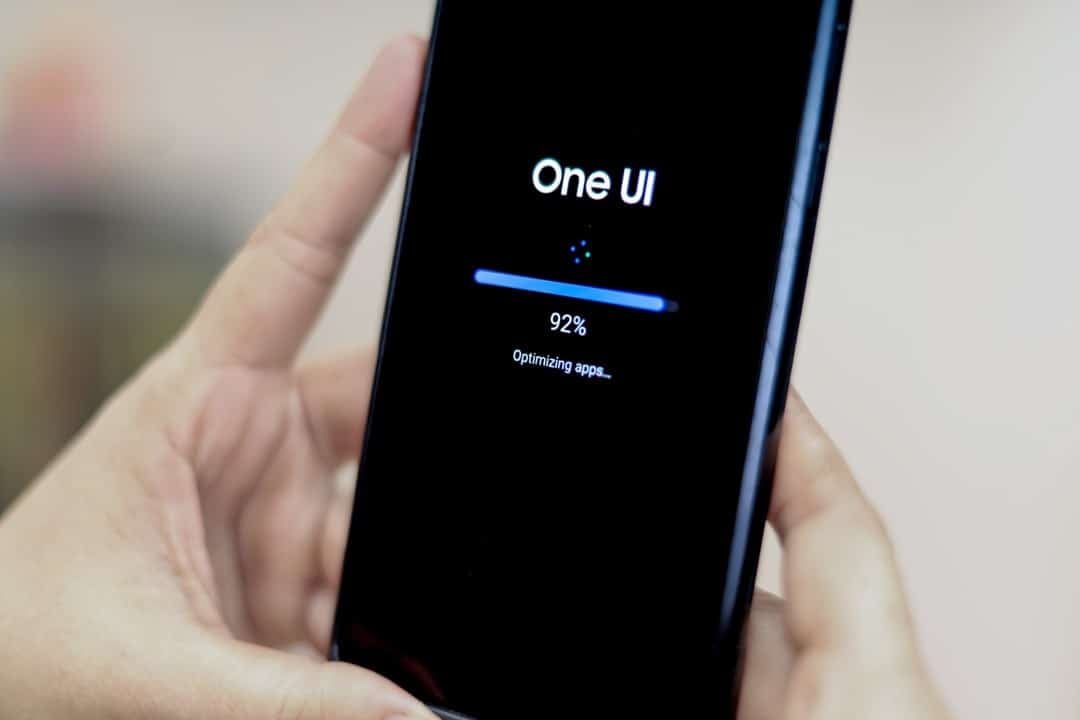
Samsung has taken a significant step toward fulfilling its promise to deliver the One UI 7 update, its latest interface based on Android 15, to Galaxy devices. After a delay caused by technical issues, the South Korean tech giant announced the resumption of the rollout, which is now available for models such as the Galaxy S24, S23, Z Fold 6, and Tab S10 in markets like South Korea. The update, a roughly 5GB package, includes the April 2025 security patch and is expected to reach more regions, including the United States and Latin America, in the coming weeks.
The postponement of One UI 7 sparked frustration among users eagerly awaiting its promised features, including enhanced fluidity, advanced customization, and new artificial intelligence capabilities. The pause, though necessary to address technical glitches, put Samsung in a challenging position, especially as competitors like Xiaomi pushed forward with updates such as HyperOS 2.1. With a revised schedule, Samsung aims to regain consumer trust by prioritizing both premium and mid-range devices.
For many Galaxy users, One UI 7 represents more than a routine software update. The interface promises to elevate the user experience with smoother animations, redesigned widgets, and improved multitasking, particularly on foldable devices like the Galaxy Z Fold and Z Flip. Additionally, bolstered security features, including protections against sophisticated malware like the recently discovered SuperCard X, which exploits Android vulnerabilities for NFC-based fraud, address growing concerns about digital threats.
Initial rollout schedule
Samsung outlined the first wave of devices eligible for One UI 7, focusing on models released between 2021 and 2024. The list includes:
- Galaxy S24, S24 Plus, S24 Ultra
- Galaxy S23, S23 Plus, S23 Ultra
- Galaxy Z Fold 6, Z Fold 5, Z Flip 6, Z Flip 5
- Galaxy Tab S10 Ultra, Tab S10 Plus, Tab S9 Ultra
The rollout began in South Korea, with confirmation that markets like the United States, Europe, and Latin America will follow in the next phase, expected within weeks. Users of older devices, such as the Galaxy S21 and S22, will need to wait until May 2025, according to the updated schedule.
Market impact of the delay
The delay in One UI 7’s release sparked discussions about the challenges of updating Samsung’s extensive device portfolio. With dozens of models launched annually, ensuring compatibility and stability across flagships and mid-range devices is no small feat. The initial setback, though not publicly detailed, was significant enough to halt the global rollout, disappointing users who had anticipated the update since its announcement earlier in 2025.
The situation also underscored the intense competition in the smartphone market. While Samsung paused One UI 7, Xiaomi advanced its HyperOS 2.1 for 45 devices, and Apple solidified iOS 18 on iPhones. The pressure to deliver timely and reliable updates is heightened in an era where consumers prioritize software longevity alongside hardware performance.
In markets like Brazil, a key region for Samsung in Latin America, the delay was particularly felt. Users frequently voice concerns on social media about slower update rollouts compared to regions like South Korea or the United States, highlighting the need for faster regional distribution.
Key features of One UI 7
One UI 7 introduces a range of enhancements designed to improve the Galaxy user experience. Notable features include:
- Redesigned interface: Smoother animations and seamless transitions for a polished look and feel.
- Advanced customization: Dynamic widgets and theme options that adapt to wallpapers.
- Optimized multitasking: Enhanced DeX mode and split-screen functionality, ideal for tablets and foldables.
- Artificial intelligence: Generative AI tools for photo editing, real-time translation, and personalized assistants.
- Enhanced security: Protections against NFC-exploiting malware and automatic defense updates.
These updates reflect Samsung’s commitment to aligning its devices with the demands of a tech-driven market. The integration of AI, for instance, positions One UI 7 as a competitor to systems like iOS, which also emphasizes intelligent assistants and automation.
Expansion to mid-range devices
Beyond flagships, Samsung plans to bring One UI 7 to mid-range models, such as the Galaxy A and M series, starting in May 2025. Devices like the Galaxy A55, A54, and M34 are included, showcasing the company’s effort to support a broader consumer base. Tablets like the Galaxy Tab S8 and Tab S9 FE will also receive the update, extending its reach beyond smartphones.
Including mid-range devices is a strategic move. In emerging markets like Brazil and India, the Galaxy A and M series account for a significant share of Samsung’s sales. Ensuring these devices receive modern updates helps Samsung stay competitive against brands like Xiaomi and Realme, which also prioritize software support to attract budget-conscious consumers.
However, the logistics of distribution remain a hurdle. The One UI 7 rollout is staggered, with priority given to developed markets and newer devices. Users of mid-range models or those in less prioritized regions may face additional delays, depending on server capacity and software localization.



Security in the digital age
One UI 7 places a strong emphasis on security, a critical focus amid rising cyber threats. The emergence of the SuperCard X malware, which enables NFC-based fraud at ATMs and stores, has underscored the need for frequent updates. The new interface includes real-time monitoring for suspicious activity and blocks unauthorized apps, enhancing device safety.
The April 2025 security patch, bundled with One UI 7, addresses specific Android 15 vulnerabilities, offering robust protection against exploits. For enterprise users, Samsung has expanded its Knox platform, adding features for remote device management and data protection, catering to businesses with stringent security needs.
Full One UI 7 rollout schedule
Samsung provided a detailed timeline for One UI 7’s distribution, divided into two main phases:
- April 2025: Galaxy S24, S23, S22, S21, Z Flip 6/5/4/3, Z Fold 6/5/4/3, Tab S10 Ultra/Plus, Tab S9 Ultra/Plus.
- May 2025: Galaxy Tab S8 Ultra/Plus, A55, A54, A53, A35, A34, A33, M34, M33, A25, A16, A15, A14, Tab S9 FE Plus/FE, Tab Active 5, Xcover Pro.
This schedule reflects Samsung’s commitment to serving both premium and budget-conscious users. By the end of May, most eligible devices are expected to receive the update, though unforeseen technical issues could impact the timeline.
User experience at the forefront
One UI 7 is designed to cater to a diverse audience, from tech enthusiasts to casual users. The interface retains the simplicity and accessibility of previous One UI versions while introducing refinements that enhance its modernity and functionality. Multitasking, for instance, has been optimized for larger screens, such as those on the Galaxy Tab S10 and Z Fold devices.
Another strength is its integration with the Galaxy ecosystem. One UI 7 enables seamless connectivity between smartphones, tablets, smartwatches, and earbuds, with features like automatic data syncing and remote device control. This approach reinforces Samsung’s leadership in hardware-software integration.
For users in regions like Latin America, One UI 7 includes localized optimizations, such as improved support for Portuguese in voice assistants and real-time translation. These adaptations are vital in markets where cultural customization drives technology adoption.
Logistical challenges and expectations
The global rollout of One UI 7 is a complex operation, involving servers across multiple continents and localized support teams. Samsung has faced criticism in the past for delays in emerging markets, and the company appears to be addressing these disparities. The phased rollout, while practical, may frustrate users who don’t receive the update immediately.
Clear communication will be critical. Samsung has pledged to keep users informed about the rollout’s progress through notifications in the Samsung Members app and official channels. Transparency will help mitigate perceptions of neglect, particularly after the initial delay.
Future outlook
The resumption of One UI 7 marks a pivotal moment for Samsung in 2025. With the smartphone market growing increasingly competitive, the company must balance innovation and reliability to retain its user base. The update, with its advancements in design, performance, and security, is a step in the right direction, but its success hinges on the execution of the rollout and meeting consumer expectations.
By including mid-range devices and tablets, Samsung demonstrates a long-term vision of delivering a consistent experience across its portfolio. As One UI 7 reaches more users, the company has an opportunity to solidify its position as a leading global technology brand.
Veja Tambem em EUA

Passageiro tenta entrar na cabine de comando e força desvio de voo da United Airlines para Madison

Pesquisa no Texas aponta republicanos à frente para governador e procurador-geral, democratas em vantagem mínima no Senado

EUA atacam radares iranianos; Irã responde com mísseis a base americana no Kuwait, em nova escalada

Homem morre sete dias após ser baleado por proprietário em imóvel invadido em Oklahoma City, EUA

Incêndio devasta The Tiny Turtle e afeta dois negócios na Minutemen Causeway em Cocoa Beach

Diferença no benefício médio do Social Security entre 62, 67 e 70 anos chega a 60% em 2026

Pesquisa aponta que 69% dos trabalhadores nos EUA temem não economizar o suficiente para a aposentadoria

Gerenciamento de US$ 2 milhões a US$ 5 milhões em aposentadoria: milionários enfrentam desafios inesperados, revela análise

Agente do ICE, Christian Castro, é detido no Texas por tiroteio e falso testemunho em Minneapolis

Justiça federal condena ex-superintendente de Des Moines a 2 anos de prisão por falsa cidadania americana

M&M’s anuncia parceria com Love Island USA e lança pacotes interativos temáticos da série