FIA dismisses Red Bull’s protest against Russell, securing Briton’s podium in Miami GP

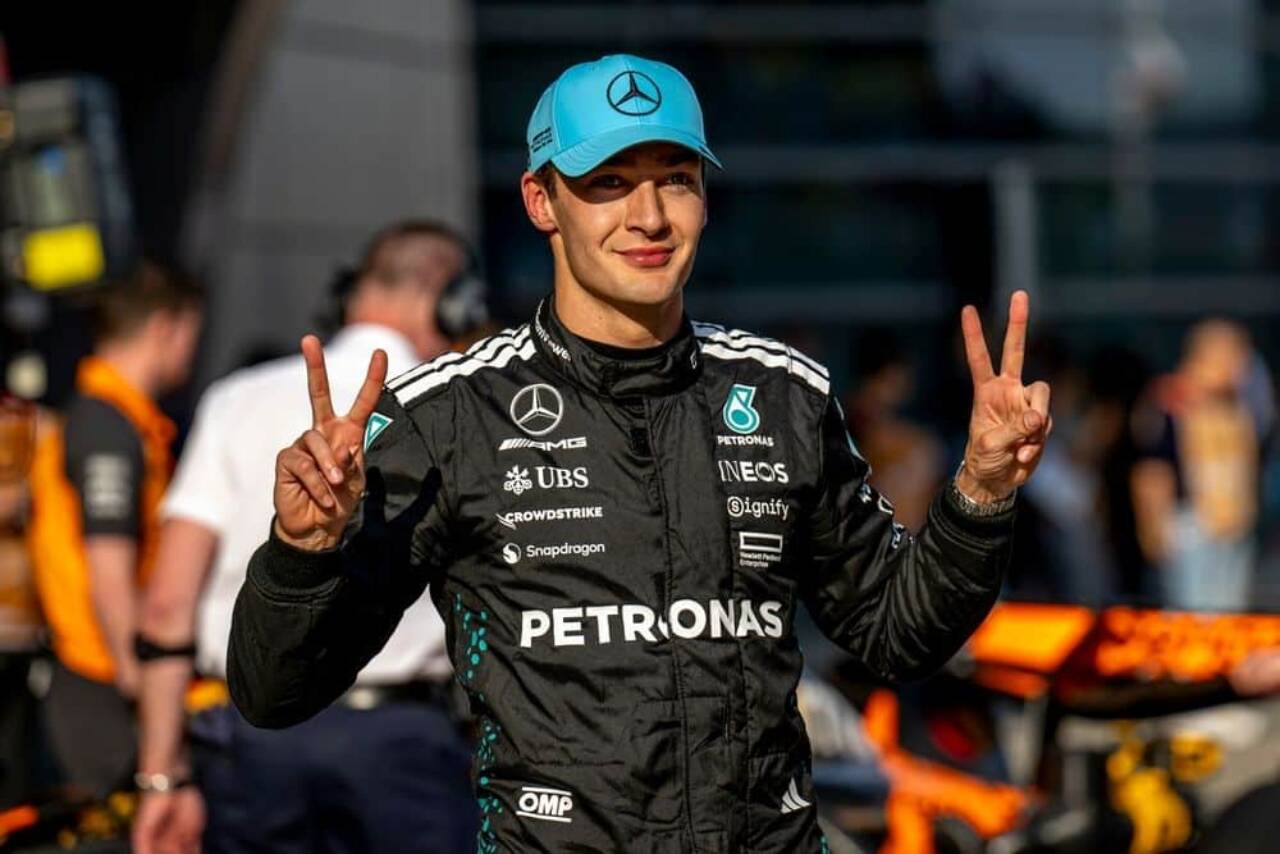
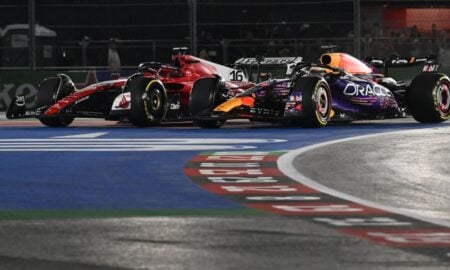
Formula 1 witnessed a heated off-track battle at the Miami Grand Prix on May 4, 2025. Red Bull, the sport’s dominant force, lodged a formal protest against Mercedes driver George Russell, claiming the Briton failed to slow sufficiently during a virtual safety car period. The team argued that this allowed Russell to overtake Max Verstappen, denying the Dutchman a third-place finish. The Fédération Internationale de l’Automobile (FIA), however, rejected the protest, upholding the original race results.
The FIA’s ruling sparked discussions among teams, drivers, and fans, particularly due to the involvement of high-profile names like Russell and Verstappen. The incident also raised questions about the clarity of virtual safety car regulations and the consistency of penalty enforcement in yellow flag zones. Key points from Red Bull’s protest included:
- Claims that Russell maintained an improper speed during the virtual safety car.
- Alleged advantage gained by overtaking Verstappen on track.
- Request for a time penalty to promote Verstappen to the podium.
The episode, unfolding at one of the season’s most anticipated races, underscored the fierce rivalry between Mercedes and Red Bull, both on and off the track. The FIA’s decision, while settling the Miami dispute, left lingering debates about regulatory enforcement in Formula 1.
Protest specifics
Red Bull’s protest hinged on telemetry data, which the team claimed showed George Russell failing to reduce speed as required during the virtual safety car period. The situation arose after Brazilian driver Gabriel Bortoleto’s Sauber retired, triggering a partial race neutralization. Red Bull argued that Russell’s sustained pace gave him an unfair edge over Verstappen, who adhered to instructions to slow down.
During the race, Red Bull’s radio communications revealed their strategy. Engineers urged Verstappen to maintain a five-second gap to Russell, anticipating that a penalty for the Briton could alter the final standings. Verstappen crossed the finish line just over two seconds ahead of Russell, meaning any sanction would likely secure the Dutchman a podium spot.
The FIA’s review, however, favored Russell. Telemetry analysis showed the Mercedes driver reduced speed by approximately 30% in the affected zone. The ruling emphasized that the regulations do not mandate an absolute speed reduction but rather a decrease relative to normal racing speed in that track section. This interpretation was pivotal in upholding Russell’s podium.
The decision drew mixed reactions. Some experts argued it could set a precedent for similar cases, while others supported the FIA’s reliance on telemetry to confirm Russell’s compliance. Red Bull chose not to issue a public statement following the verdict.
Virtual safety car incident
The virtual safety car, a mechanism to neutralize races without deploying a physical safety car, is a staple of modern Formula 1. In Miami, its activation followed Gabriel Bortoleto’s mechanical failure, which left his Sauber stranded on track. The incident occurred in a critical section, requiring drivers to slow down while marshals cleared the car.
Red Bull’s scrutiny of Russell began when telemetry suggested the Mercedes driver did not sufficiently reduce speed. The team claimed this breached the virtual safety car protocol, compromising their battle with Verstappen. The FIA’s investigation, however, found that Russell’s speed in the yellow flag zone was significantly lower than his typical lap pace.
Other drivers faced similar scrutiny. Carlos Sainz of Williams and Pierre Gasly of Alpine were also investigated for alleged breaches during the same virtual safety car period. Both received warnings but no formal penalties. The FIA cited challenging track conditions, including unclear signage, as factors in their decisions. Key elements influencing the warnings included:
- Only one marshal waving a yellow flag.
- A signaling panel obscured by a same-colored advertisement.
- Lack of clear evidence of deliberate rule violations.
Paddock responses
The FIA’s dismissal of Red Bull’s protest elicited varied reactions across the paddock. Mercedes, Russell’s team, remained officially silent, though sources indicated relief at securing the podium. Russell, absent from the post-race press conference due to medical reasons, did not comment directly on the matter. His absence fueled speculation about his health, though Mercedes provided no further details.
Red Bull maintained a reserved stance. Max Verstappen, known for his competitive edge, refrained from directly criticizing the FIA but expressed confidence in his team’s analysis. Red Bull’s decision not to appeal suggests a focus on upcoming races rather than prolonging the dispute.
Other teams, including Williams and Alpine, offered minimal comments on the warnings issued to Sainz and Gasly. Alpine, however, emphasized the need for clearer virtual safety car signage, noting that visual confusion with advertising panels may have affected drivers’ responses.
Oscar Piastri takes win number FOUR of 2025 🏆
— Formula 1 (@F1) May 4, 2025
It's an impressive McLaren 1-2 with Lando Norris in P2 👏#F1 #MiamiGP pic.twitter.com/plbdn8yXtk
The Miami controversy reignited debates about FIA consistency. Some teams advocated for regulatory revisions, while others argued that flexibility in rule interpretation is essential for unique track conditions. Though the ruling closed the Miami case, discussions are likely to persist in Formula 1’s inner circles.
Regulatory scrutiny
The FIA’s handling of Russell’s case brought Formula 1 regulations into the spotlight. Article 26.1, which governs speed reductions in yellow flag zones, was central to the stewards’ analysis. The rule requires drivers to slow down to acknowledge safety conditions but does not specify a fixed percentage of speed reduction.
In Miami, the FIA determined that Russell’s speed in the affected zone met the requirement of a relative reduction, sufficient to comply with the regulation. While technically sound, the interpretation raised concerns about subjectivity in enforcement. Some analysts propose that the FIA adopt stricter metrics, such as minimum speed reduction percentages, to prevent future disputes.
Telemetry played a critical role in the decision. Data showed Russell slowed by roughly 30% compared to his average lap speed, which the stewards deemed adequate. The FIA also considered track conditions, including the placement of signaling panels and the visibility of yellow flags.
The virtual safety car protocol, while effective in many scenarios, faces challenges in urban circuits like Miami, where signage can be less prominent. The FIA has previously indicated plans to review virtual safety car procedures for 2026, though no specific changes have been confirmed.
Other investigated drivers
Carlos Sainz and Pierre Gasly, alongside Russell, faced probes for potential virtual safety car infractions. For Sainz, the FIA found that the Williams driver slowed but not to the expected degree, partly due to difficulty spotting yellow flag signals. The warning issued to the Spaniard was justified by the absence of intentional rule-breaking.
Gasly’s case was similar. The Alpine driver cited a signaling panel overlapping with a yellow advertisement, which obscured the virtual safety car zone. The FIA acknowledged the issue and issued a warning, avoiding harsher penalties.
The investigations highlighted logistical issues at the Miami circuit. The track’s challenging layout, combined with signage problems, contributed to the confusion. The FIA committed to working with race organizers to enhance panel visibility and flag signaling for future events.
The cases of Sainz and Gasly, though less publicized than Russell’s, underscored the need for clearer virtual safety car protocols. Formula 1’s balance of safety and competition requires ongoing adjustments to meet the demands of modern circuits.
Gabriel Bortoleto’s role
Gabriel Bortoleto’s retirement triggered the virtual safety car in Miami. The 20-year-old Brazilian, in his debut Formula 1 season with Sauber, encountered mechanical issues that forced him to stop on track. Clearing his car necessitated the race neutralization, setting the stage for the subsequent controversies.
Bortoleto, a rising star, was not implicated in the investigations but faced disappointment with the early exit. Sauber, struggling in the constructors’ championship, viewed the incident as a learning opportunity for the rookie. Bortoleto’s presence in the sport has rekindled Brazilian interest in Formula 1, despite his limited time on track in Miami.
Miami circuit conditions
The Miami circuit, set around the Hard Rock Stadium, is renowned for its demanding layout and vibrant atmosphere. The 2025 race, held under intense heat, tested drivers and teams alike. The track’s mix of long straights and tight corners requires precision, particularly during interruptions like the virtual safety car.
Signage issues emerged as a focal point. Overlapping advertising and limited marshal signaling created challenges for drivers like Sainz and Gasly. The FIA acknowledged these shortcomings, and race organizers pledged to improve signage visibility for 2026.
Track conditions also shaped team strategies. Red Bull’s instructions to Verstappen to maintain a gap to Russell reflected anticipation of penalties, while Mercedes trusted Russell’s compliance to secure his position.
Russell and Verstappen’s performances
George Russell’s podium in Miami showcased his resilience. The Mercedes driver, a key figure in the team’s resurgence, held off Verstappen’s challenge while navigating the virtual safety car scrutiny. His compliance with regulations, validated by telemetry, cemented his third-place finish.
Max Verstappen, the reigning four-time champion, remained competitive but fell short of the podium. Red Bull’s protest reflected their commitment to maximizing Verstappen’s results, though the FIA’s ruling halted their efforts. Verstappen continues to lead the drivers’ championship comfortably.
The Russell-Verstappen rivalry, a recurring theme in recent seasons, added intrigue to Miami. Their on-track battle, coupled with off-track disputes, highlighted Formula 1’s high-stakes environment.
FIA’s next steps
The rejection of Red Bull’s protest did not quell discussions about virtual safety car rules. The FIA faces calls for greater transparency and may revise regulations for 2026. Potential changes include clearer speed reduction guidelines and enhanced signage protocols.
The FIA plans to consult teams and drivers on the Miami incidents. Alpine’s request for signage clarity and Williams’ push for improved marshal communication are among the topics under review.
The cases of Russell, Sainz, and Gasly illustrate the complexities of real-time rule enforcement. Formula 1’s reliance on technology and safety protocols continues to evolve to meet the sport’s demands.
Miami GP’s prominence
The Miami Grand Prix, drawing global audiences and celebrity guests, solidified its status as a Formula 1 highlight. The 2025 event, marked by intense racing and off-track drama, kept fans engaged.
Bortoleto’s participation, despite his retirement, boosted the race’s visibility in Brazil. The performances of Russell and Verstappen, coupled with the protest saga, dominated post-race discussions online.
Organizers hailed the event’s success but acknowledged infrastructure improvements needed. Miami’s fourth Formula 1 race cemented its place as a cornerstone of the championship calendar.