Palmeiras and Porto draw 0-0 in historic 2025 Club World Cup match in the USA

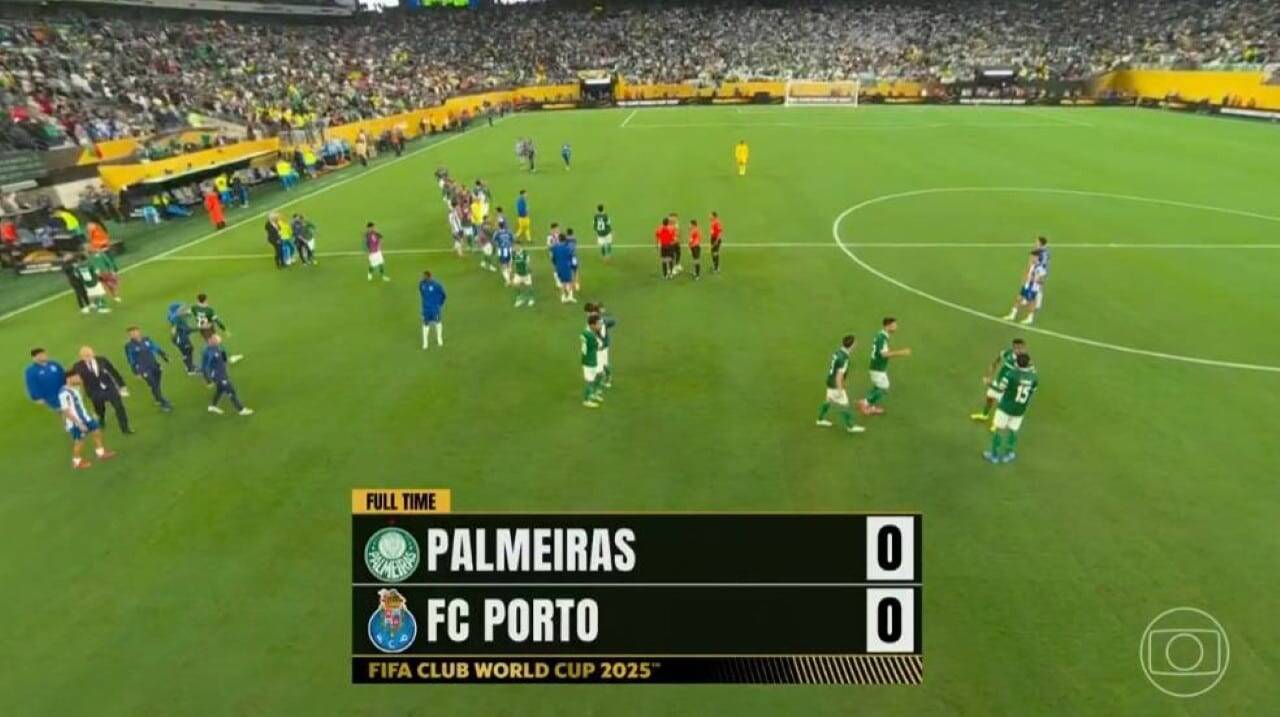
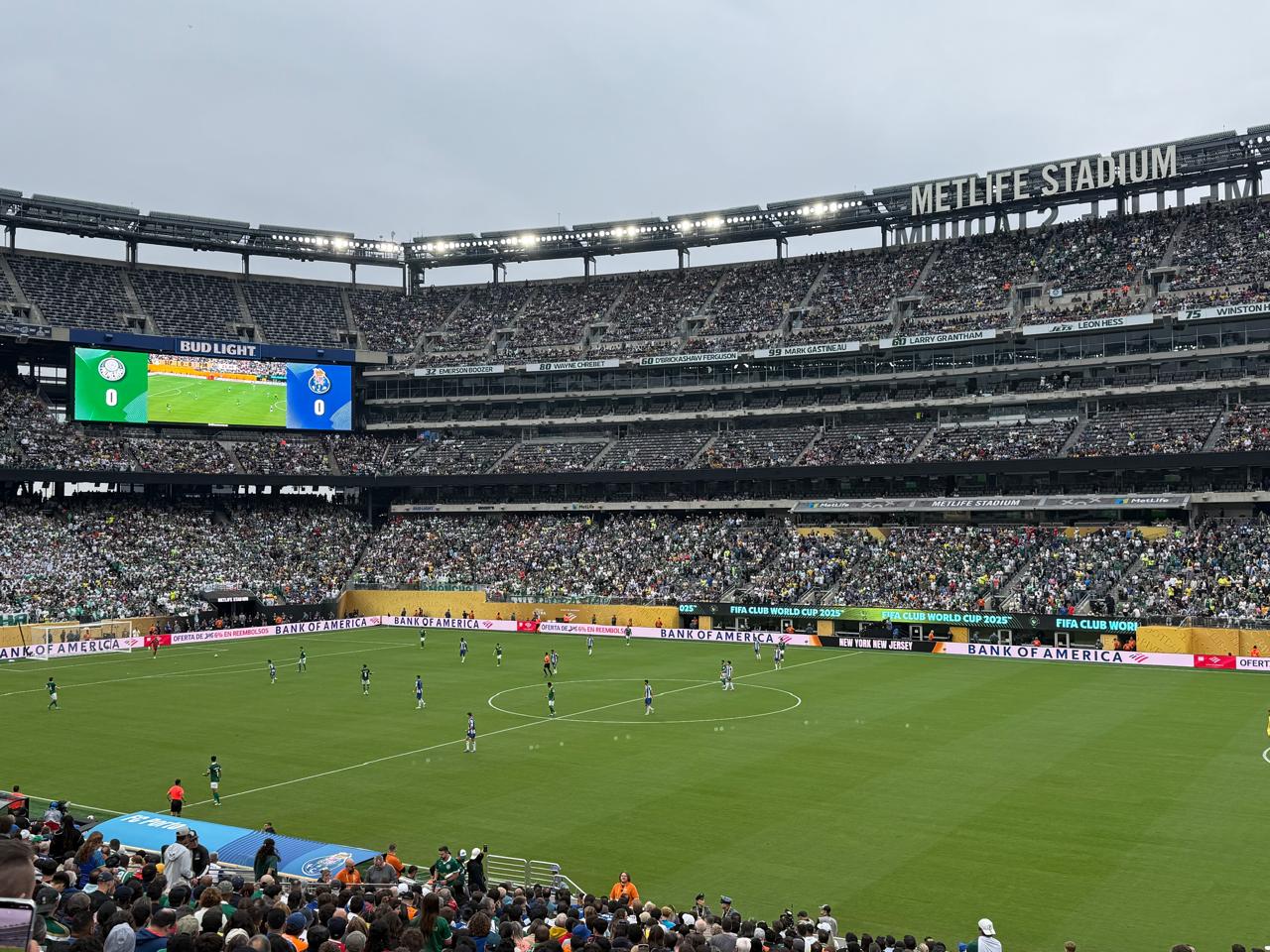
On Sunday, June 15, 2025, Palmeiras and Porto played out a goalless draw in their group A opener at the FIFA Club World Cup, held at 7:00 PM (Brasília time) at MetLife Stadium in New Jersey, USA. The match marked Palmeiras’ debut in the expanded 32-team tournament, facing a storied European side. Led by Abel Ferreira, Palmeiras aimed for a strong start with their pace, while Porto, under Martín Anselmi, relied on defensive solidity. Broadcast live on TV Globo, SporTV, CazéTV, DAZN, and Globoplay, the game drew thousands of fans eager for this unprecedented clash. The lack of goals reflected the tactical balance, with both defenses outshining the attacks. Honduran referee Said Martínez ensured strict control, while the stadium, hosting around 60,000 fans, buzzed with excitement for the historic opener.
Anticipation builds for what’s next. Palmeiras and Porto showed grit from the start, but poor finishing defined the scoreline. Estêvão, Palmeiras’ young star, attempted dribbles that thrilled the crowd, while Porto’s Rodrigo Mora probed the Brazilian defense. MetLife Stadium, a future 2026 World Cup venue, provided a grand stage with pristine turf and a mild 22°C. Brazilian and Portuguese fans packed the stands, creating a festive atmosphere. The draw keeps group A wide open, with Al Ahly and Inter Miami also vying for the knockout stage.
Tactical intensity shapes first half
The game began at a brisk pace. Palmeiras leaned on quick transitions, using the flanks to harness Estêvão and Piquerez’s speed. Their defense, anchored by Gustavo Gómez, neutralized Porto’s advances, as the Dragons prioritized possession and high pressing. Porto’s goalkeeper Cláudio Ramos made key saves, while Palmeiras’ Weverton stood firm. The 4-4-2 of Palmeiras clashed with Porto’s 3-6-1, resulting in a tactical chess match. Fouls punctuated the first half, with Martínez issuing yellow cards to maintain order. Fans felt the tension, but the scoreboard stayed blank at halftime.
Substitutions shifted the dynamic in the second half. Abel Ferreira introduced Raphael Veiga to bolster the attack, while Anselmi brought on Pepê for more offensive spark. Palmeiras gained momentum with Felipe Anderson’s plays, nearly scoring with a shot that grazed the post. Porto’s Rodrigo Mora tested the Brazilian backline with dangerous shots. Despite the intensity, both sides lacked precision in front of goal. The draw reflected meticulous preparation, with teams prioritizing caution over risk.
Individual stars shine without breaking deadlock
Estêvão stole the spotlight again. The 18-year-old, in his final tournament for Palmeiras before joining Chelsea, showcased dribbles that unsettled Porto’s defense. His 12 goals this season underline his value, though his aim faltered at key moments. Felipe Anderson also stood out, delivering precise passes that created chances, albeit without success. For Porto, Rodrigo Mora impressed with his poise, boasting 10 goals in the European season. The youngster excelled in quick combinations but was thwarted by Murilo and Gómez.
Other players made their mark. Pepê, coming off the bench, brought international experience and nearly scored with a header saved by Weverton. For Palmeiras, Raphael Veiga came close with a long-range effort, but Cláudio Ramos was alert. The duel between young talents and seasoned players kept fans engaged, though the scoreline remained unchanged. Martínez’s refereeing, backed by VAR, avoided controversies, keeping the focus on the game.
Preparation underscores balanced clash
Palmeiras arrived in the USA on June 9, training in Greensboro with a focus on set pieces. The team leads the Brasileirão in corner-kick goals, averaging 0.8 per game, but couldn’t capitalize. Their second-place finish in the 2024 Brasileirão boosted confidence, despite mixed results in their last five matches. Porto, meanwhile, had an uneven European season, finishing third in the Portuguese league and exiting the Europa League. Recent friendlies showed tactical progress under Anselmi, though consistency remains a challenge.
Logistics played a role. Palmeiras adjusted to the time zone with evening sessions, while Porto leaned on their experience with international travel. The weather, with 60% humidity and partly cloudy skies, supported a technical game. Both teams had strong bench options, like Mayke and Diogo Costa, but substitutions didn’t change the outcome. The draw reflects mutual respect and strategic caution.
Second half sees missed opportunities
The second half brought more excitement. Palmeiras pressed with wing play, particularly through Piquerez’s crosses to Estêvão, who headed over the bar. Porto countered with Varela setting up Rodrigo Mora, but the Brazilian defense cleared the danger. A clear chance came at the 75th minute when Felipe Anderson linked with Vitor Roque, only for the shot to be blocked by Marcano. Porto’s Samu Aghehowa nearly scored from distance, forcing a fine save from Weverton.
The match ended with midfield exchanges. Abel Ferreira’s final move was Flaco López, but time ran out. Porto, despite higher possession, couldn’t breach Palmeiras’ defense. Martínez’s final whistle sealed the 0-0, leaving fans torn between frustration and pride. The result keeps group A competitive, with upcoming matches set to decide the qualifiers.
Lineups and strategies under scrutiny
Palmeiras lined up in a 4-4-2: Weverton; Giay, Gómez, Murilo, Piquerez; Moreno, Ríos, Anderson, Maurício; Estêvão, Vitor Roque. Their approach focused on counterattacks, leveraging their forwards’ speed. Porto deployed a 3-6-1: Cláudio Ramos; Fernandes, Zé Pedro, Marcano; Mário, Varela, Veiga, Vieira, Mora, Moura; Aghehowa. Their plan was to control the midfield and press Palmeiras’ buildup.
- Estêvão’s pace against Porto’s tight marking.
- Palmeiras’ defensive solidity tested by Rodrigo Mora.
- Porto’s high press countered by Gómez.
- Palmeiras’ quick transitions led by Piquerez.
- Porto’s possession anchored by Varela.
Tactical flexibility was clear, but finishing let both sides down. Substitutions like Pepê and Raphael Veiga added energy, without altering the score.
Fan presence electrifies opener
Around 60,000 fans filled MetLife Stadium. Brazilians in Newark held pre-game festivities, while Portuguese supporters waved flags and sang. Tickets, priced from $50 to $300, sold out quickly. FIFA touts the match as a round-one highlight, with global broadcasts drawing wide attention. The local community embraced the event, making New Jersey a hub for football cultures.
Side events energized the area. Manhattan bars screened the game on giant TVs, and streets near the stadium saw fan caravans. The draw didn’t dampen the excitement, fueling anticipation for future clashes. The vibrant turnout underscores the appeal of the expanded Club World Cup.
Next steps in group A
The draw keeps Palmeiras and Porto in contention for group A’s top spots. Palmeiras face Al Ahly next, while Porto take on Inter Miami, led by Lionel Messi. The early point is crucial, with only the top two advancing. Palmeiras’ sturdy defense and Porto’s experience will face further tests. MetLife Stadium remains the stage, drawing more crowds for upcoming games.
Coaches are already planning tweaks. Abel Ferreira targets better finishing, while Anselmi seeks sharper attacking play. The group’s competitiveness promises tight battles, with every point vital. Fans eagerly await the next chapters of this global campaign.