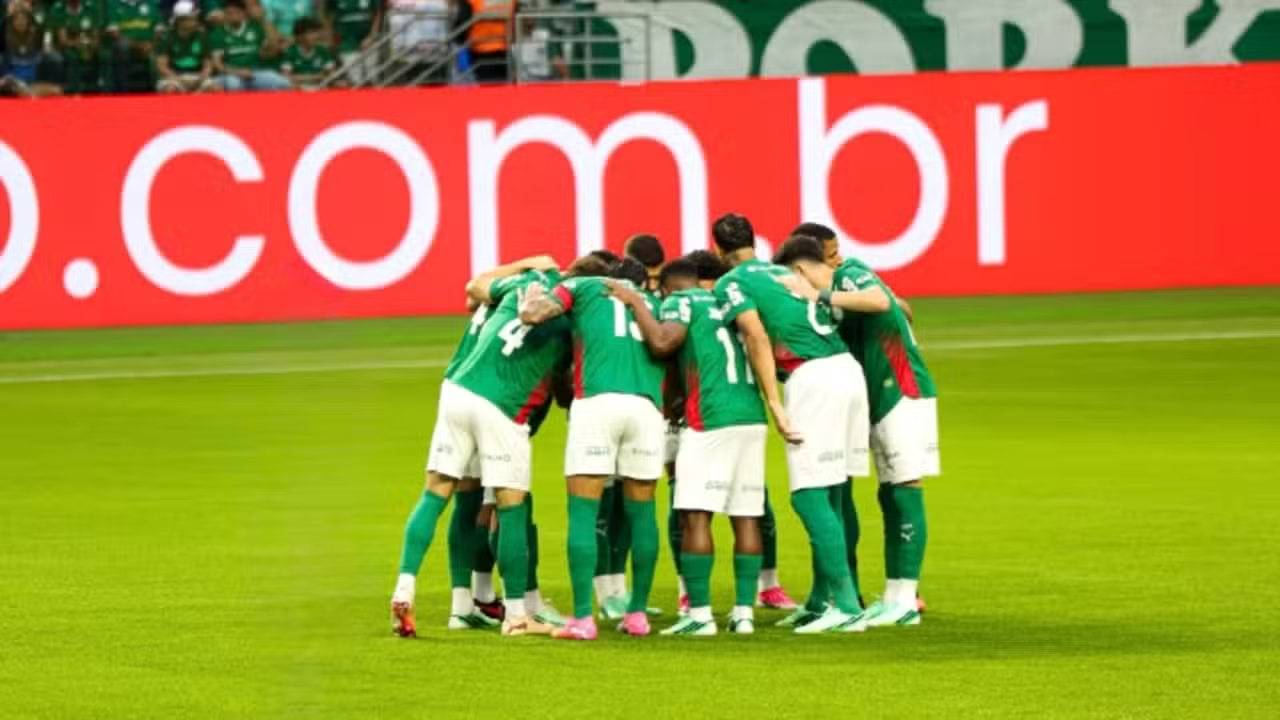
Fluminense is one step away from making history in the 2025 Club World Cup, held in the United States. On Tuesday, July 8, the Rio de Janeiro club faces Chelsea at 4:00 PM (Brasilia time) in New Jersey for the tournament’s semifinal. Beyond the chance to reach the final, the Tricolor is competing for a prize that could reach $40 million (R$217 million) in case of a title win. The competition, featuring 32 teams from six confederations, has already earned Fluminense $60.8 million (R$329.5 million) so far, breaking the club’s financial records. The other semifinal, between PSG and Real Madrid, also promises massive payouts and a fierce contest. FIFA allocated $1 billion for prizes, making the tournament a financial milestone for global soccer.
Fluminense’s journey in the Club World Cup has been marked by solid performances and well-executed strategies. The club, which won the 2023 Libertadores, faced opponents like Borussia Dortmund, Inter Milan, and Al-Hilal, showing tactical consistency under coach Renato Gaúcho. Their semifinal qualification came after a 2-1 victory over Al-Hilal, with goals from Martinelli and Hércules, in Orlando.
Despite the success, the Rio team faces challenges. Two key players, Freytes and Martinelli, are suspended for the Chelsea match, requiring tactical adjustments. The Tricolor fanbase, present in large numbers in the U.S., is organizing events to support the team, with gatherings in cities like New Jersey and Orlando.
- Key Fluminense achievements in the tournament:
- 2-0 victory over Inter Milan in the round of 16.
- Triumph over Al-Hilal in the quarterfinals.
- Draws against Borussia Dortmund and Mamelodi Sundowns in the group stage.
- Accumulated prize money of $60.8 million up to the semifinal.
Mas eu sei que vai
— Fluminense F.C. (@FluminenseFC) July 8, 2025
Que o sonho te traz
Coisas que te faz
Prosseguir
CHEGOU O GRANDE DIA. Nos basta só sonhar, seguir.#FIFACWC #TakeItToTheWorld pic.twitter.com/YrKh4fEjDp
Financial structure of the Club World Cup
FIFA structured the 2025 Club World Cup with a total prize pool of $1 billion, distributed across participation fees and performance bonuses. Each South American club received $15.2 million just for competing in the group stage, while European teams earned between $12.8 million and $38.2 million. Fluminense, for instance, has secured $60.8 million up to the semifinals, with the potential to reach $90 million (R$487 million) if they win the title.
The prize system is progressive, encouraging clubs to advance through the knockout stages. Reaching the round of 16 earned $7.5 million, while the quarterfinals added $13.1 million to Fluminense’s coffers. The semifinal spot guaranteed another $21 million, and the final offers even higher stakes: $30 million for the runner-up and $40 million for the champion.
Taxes, however, reduce part of these amounts. In the U.S. and Brazil, rates can take up to 45% of the prizes, meaning that, of the $60.8 million earned by Fluminense, about $27.4 million may be withheld. Even so, the net amount represents a significant financial boost for the club.
Fluminense’s performance in the tournament
Fluminense arrived at the Club World Cup buoyed by strong results in other competitions. Qualified for the Copa do Brasil, Sudamericana, and holding fifth place in the Brazilian League, the team showed physical and mental readiness for the international stage. The victory over Inter Milan, the European runner-up, was a milestone, with goals from Germán Cano and Hércules, boosting the team’s confidence.
In the group stage, Fluminense faced challenges against Borussia Dortmund, Mamelodi Sundowns, and Ulsan Hyundai. Despite draws with Dortmund and Sundowns, the win over Ulsan secured their advancement. The round of 16 and quarterfinals highlighted the team’s defensive solidity, led by experienced players like Thiago Silva and Fábio.
Preparation for the Chelsea clash included detailed analysis of the opponent. Chelsea’s coach, aware of Fluminense’s performances, watched their games to avoid tactical surprises. Renato Gaúcho, meanwhile, is studying alternatives to replace Freytes and Martinelli, with Thiago Santos and Hércules as likely substitutes.
Financial impact for Brazilian clubs
Beyond Fluminense, other Brazilian clubs also profited from the Club World Cup. Palmeiras, eliminated in the quarterfinals by Chelsea, amassed $39.7 million (R$215.4 million). Flamengo and Botafogo, knocked out in the round of 16, earned $28.1 million (R$152.7 million) and $27.1 million (R$146.8 million), respectively. Together, the four Brazilian clubs collected over $155.6 million (R$844 million), a financial record for Brazilian soccer in a single competition.
- Prizes for Brazilian clubs:
- Fluminense: $60.8 million (semifinalist).
- Palmeiras: $39.7 million (quarterfinalist).
- Flamengo: $28.1 million (round of 16).
- Botafogo: $27.1 million (round of 16).
The impact of these amounts extends beyond the pitch. For Fluminense, the funds can be invested in signings, infrastructure, and debt repayment, strengthening the club for future seasons. The tournament also boosted the global visibility of Brazilian clubs, attracting attention from sponsors and international fans.
Tournament organization and criticisms
The 2025 Club World Cup, held from June 14 to July 13, marked the first edition with 32 teams, replacing the previous seven-team format. The competition was divided into eight groups of four teams, with the top two from each advancing to the knockout rounds. FIFA opted not to include a third-place match, focusing on the final, scheduled for July 13.
Despite the financial success, the tournament faced criticism. FIFPRO, the global players’ union, and the World Leagues Forum raised concerns about player welfare due to the congested calendar. Spain’s La Liga threatened legal action against the tournament’s expansion, citing overload for clubs. FIFA defended the model, emphasizing the financial benefits and ticket sales as revenue sources.
Chelsea: the semifinal opponent
Chelsea, Fluminense’s opponent, arrived at the Club World Cup with a reinforced squad and a history of success. Knocked out in the Champions League quarterfinals, the English team relies on the experience of players like Reece James and Cole Palmer to defeat the Tricolor. Their victory over Palmeiras in the quarterfinals bolstered the Blues’ confidence, who are aiming for their second Club World Cup title.
The matchup promises to be balanced. Fluminense banks on collective strength and fan support, while Chelsea trusts in their tactical organization and attacking prowess. International media highlighted the duel as a test for South American soccer against European, with the Tricolor praised for its historic campaign.
Fluminense fans in the United States
The presence of Fluminense supporters in the U.S. has been a standout feature. In cities like Charlotte, Orlando, and New Jersey, Tricolor fans organized events to watch the games, filling bars and fan club venues. The victory over Al-Hilal in Orlando drew thousands of supporters, who celebrated with chants and flags.
The fan mobilization also reflects the tournament’s cultural impact. For many Brazilians living in the U.S., the Club World Cup is a chance to connect with national soccer. FIFA highlighted the presence of South American fans as one of the event’s highlights, with stadiums reporting high attendance rates.
The other semifinal: PSG vs. Real Madrid
While Fluminense faces Chelsea, PSG and Real Madrid compete for the other final spot. PSG, the Champions League winner, enters as the favorite, led by a star-studded squad featuring Kylian Mbappé. Real Madrid, meanwhile, relies on Vinicius Jr.’s flair and Carlo Ancelotti’s leadership to chase the title.
Both clubs have secured $60.8 million in prizes, with the potential to reach $90 million in case of a final victory. European media described the matchup as a historic “tiebreaker,” given the teams’ balanced head-to-head record.
Financial legacy of the tournament
The 2025 Club World Cup is not just a sporting event but also an economic powerhouse. Beyond the prizes, participating clubs benefit from sponsorship deals, ticket sales, and media exposure. For Fluminense, the tournament campaign has already secured a prominent place among Brazilian clubs, with financial records surpassing the $35.8 million (R$194 million) earned in 2023, the year of their Libertadores title.
FIFA plans to maintain the 32-team format for future editions, held every four years. The competition’s success in the U.S., with packed stadiums and high global viewership, reinforces the organization’s bet on a tournament that blends sport and finance on a grand scale.