German chef Alfons Schuhbeck sentenced to over 4 years for Covid aid fraud Por Luís Henrique Costa
7 min de leitura
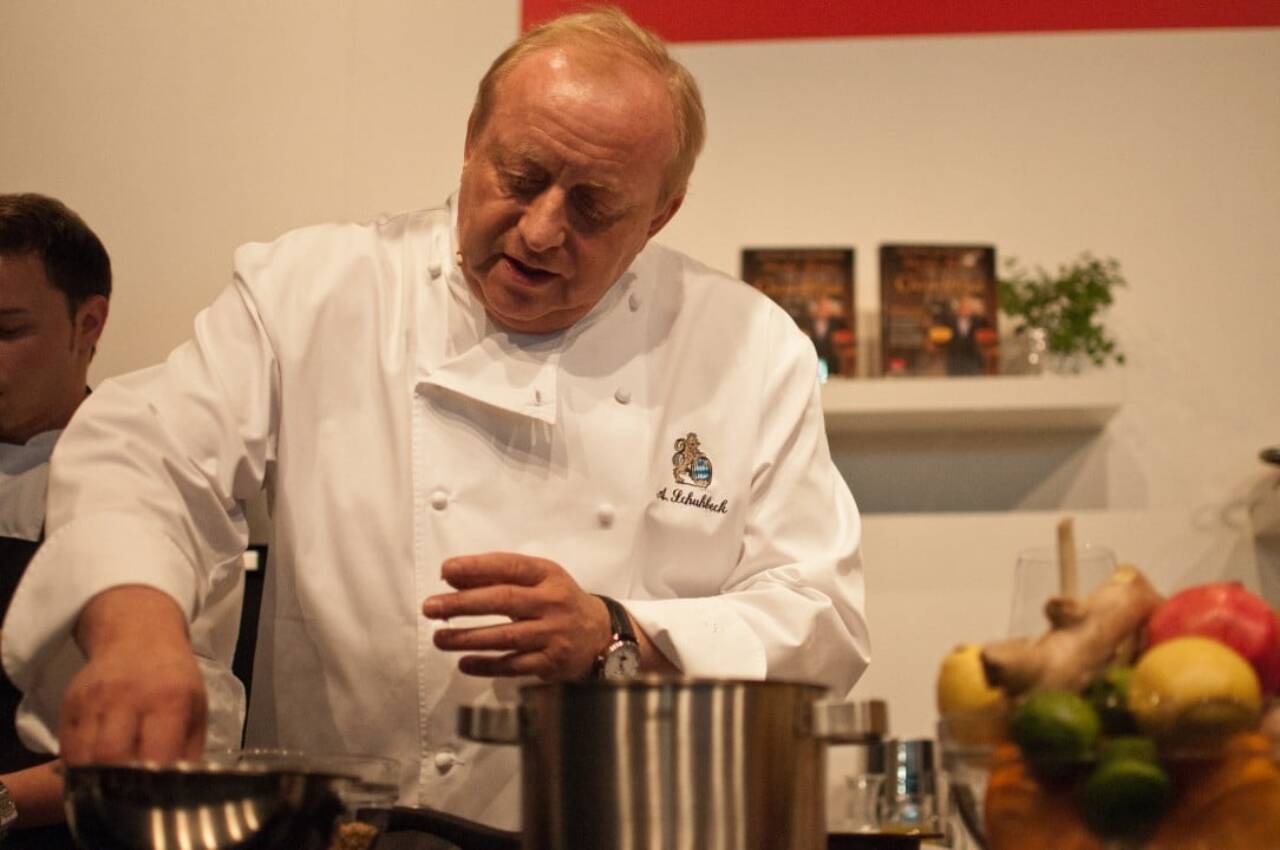 |
On the morning of July 14, 2025, renowned German chef Alfons Schuhbeck, aged 76, was sentenced by the Munich I Regional Court to four years and three months in prison for fraud involving Covid-19 emergency aid funds and fraudulent insolvency. The ruling, issued by Judge Uwe Habereder, adds to a prior conviction for tax evasion, worsening the situation for the chef, who is battling incurable cancer and is temporarily exempt from serving the sentence due to health reasons. The court decision exposes the financial mismanagement of Schuhbeck’s businesses, which amassed debts of 27 million euros, impacting suppliers and creditors. The chef admitted to the irregularities, expressing remorse and pledging efforts to repair the damage caused.
Schuhbeck’s conviction, a celebrated figure in German cuisine, marks the end of a successful career tarnished by questionable financial decisions. Once one of Europe’s most respected chefs, with a gastronomic empire in Munich, he now faces the consequences of his choices.
- Main charges against Schuhbeck:
- Fraud in applying for Covid-19 emergency funds.
- Fraudulent insolvency by concealing financial issues.
- Mismanagement causing losses to creditors.
The case gained attention not only for the severity of the crimes but also for its impact on Munich’s business community, where Schuhbeck was a reference.
Financial management under scrutiny
The court emphasized that Schuhbeck managed his businesses irresponsibly, transferring funds between accounts to cover deficits without publicly admitting his failure as a businessman. Judge Habereder criticized the chef’s delay in acknowledging financial problems, stating he “pulled the emergency brake too late.” This conduct, according to the court, exacerbated losses for suppliers, business partners, and creditors, who now face challenges recovering owed amounts.
The scale of the accumulated debts is striking. According to insolvency administrator Max Liebig, creditors are claiming 27 million euros, but only a fraction is expected to be recovered at the end of the process. The situation reflects years of mismanagement, with Schuhbeck expanding his businesses beyond sustainability.
The chef, known for sophisticated dishes and a chain of high-end restaurants, saw his empire crumble after the pandemic, which intensified financial difficulties. The improper application for emergency funds was a central point of the trial, with the court deeming that Schuhbeck exploited a national crisis for personal gain.
Remorse and attempts at reparation
During the trial, Schuhbeck took full responsibility for the irregularities, a factor that weighed in his favor in the court’s decision. In his final statement, he apologized to those affected, acknowledging the impact of his actions. “This will weigh on me for the rest of my life,” the chef declared, according to court reports. He also announced plans for reparation, including writing cookbooks during his time in prison to raise funds to compensate creditors.
Schuhbeck’s lawyer, Norbert Scharf, emphasized that reparation is a priority for the chef, despite his delicate health condition. Diagnosed with incurable cancer, Schuhbeck is temporarily exempt from serving his sentence, with the suspension valid until mid-September 2025 for medical treatment.
- Schuhbeck’s initiatives for reparation:
- Publication of a cookbook written in prison.
- Planning a second book in progress.
- Commitment to allocate funds to creditors.
The sincerity of Schuhbeck’s remorse was recognized by the judge, who considered the gesture a step toward closing the cycle of past mistakes. However, the chef’s future remains uncertain, with the possibility of returning to prison after treatment.
Impact on the culinary community
Schuhbeck’s conviction reverberates beyond the courts, affecting public perception of a figure who, for decades, was synonymous with excellence in German cuisine. His restaurants, located in iconic Munich spots, attracted tourists and locals but now face the challenge of surviving the financial crisis and the stain on their founder’s reputation.
Suppliers reliant on Schuhbeck’s businesses report significant difficulties. Small companies providing high-quality ingredients were particularly impacted, with some facing bankruptcy risks. The court’s decision, while necessary, does not immediately resolve the accumulated losses, leaving a void in the local culinary sector.
Germany’s chef community has followed the case closely. Many expressed solidarity with Schuhbeck, highlighting his contributions to gastronomy, but also acknowledged the severity of the charges. The case serves as a warning about the importance of transparent financial management, especially in times of crisis.
Context of the Covid funds fraud
The fraud involving pandemic emergency aid was one of the most serious points raised by the court. During the Covid-19 crisis, the German government provided funds to support businesses affected by restrictions. Schuhbeck, aware of his companies’ financial difficulties, applied for these funds improperly, knowing the issues predated the pandemic.
Judge Habereder classified the action as an unacceptable exploitation of a national emergency. The court noted that, while many businesses struggled to survive, Schuhbeck used the funds to cover old deficits without a genuine intent to stabilize his businesses.
- Details of the fraud:
- Application for emergency funds without legitimate justification.
- Use of funds to cover pre-existing debts.
- Lack of transparency with tax authorities.
- Direct impact on creditors who went unpaid.
This practice, according to the court, not only harmed the economic support system but also undermined trust in government programs designed for crises.
Schuhbeck’s uncertain future
Schuhbeck’s health is a determining factor for serving his sentence. At 76 and battling incurable cancer, the chef received a temporary suspension from prison for treatment. However, the final decision on his return to incarceration will depend on medical evaluations and the progression of his condition.
Schuhbeck’s lawyer, Norbert Scharf, indicated that the defense is unlikely to appeal the sentence, suggesting acceptance of the verdict. The prosecution also signaled it does not intend to contest the ruling, which may make the judgment final soon.
Meanwhile, Schuhbeck seeks to rebuild his image. Writing books during his imprisonment is seen as an attempt to maintain relevance in the culinary scene, but the impact of his actions continues to weigh on his reputation.
Media coverage in Germany
Schuhbeck’s case dominated German headlines, with outlets highlighting both his successful career and the financial collapse of his businesses. Local media described the trial as a milestone, not only due to the involvement of a public figure but also for the warning it represents to other entrepreneurs.
Munich newspapers, where Schuhbeck built his career, mourned the fall of a local icon. Reports highlighted the irony of a chef who, despite his culinary skill, failed to manage his empire’s finances. The coverage also sparked discussions about the pressure on celebrities to maintain an image of success, even amid crises.
- Media reactions:
- Reports on Schuhbeck’s journey as a chef.
- Debates on financial management in times of crisis.
- Focus on the impact on local suppliers.
- Questions about the use of government aid.
Schuhbeck’s story, now marked by controversy, continues to generate interest, with the public following developments in his legal and health situation.
Lessons for the business sector
Schuhbeck’s case raises important questions about business management in times of adversity. The unchecked expansion of his companies, without solid financial planning, serves as an example of the risks of prioritizing image over sustainability.
Management experts point out that transparency is essential to avoid crises like the one faced by the chef. The delay in acknowledging financial problems, as highlighted by the judge, worsened the consequences for all involved.
The conviction also underscores the importance of rigorous monitoring of government programs to prevent abuses like the one committed. Schuhbeck’s case may prompt reviews of the criteria for granting aid, especially in global crises.