
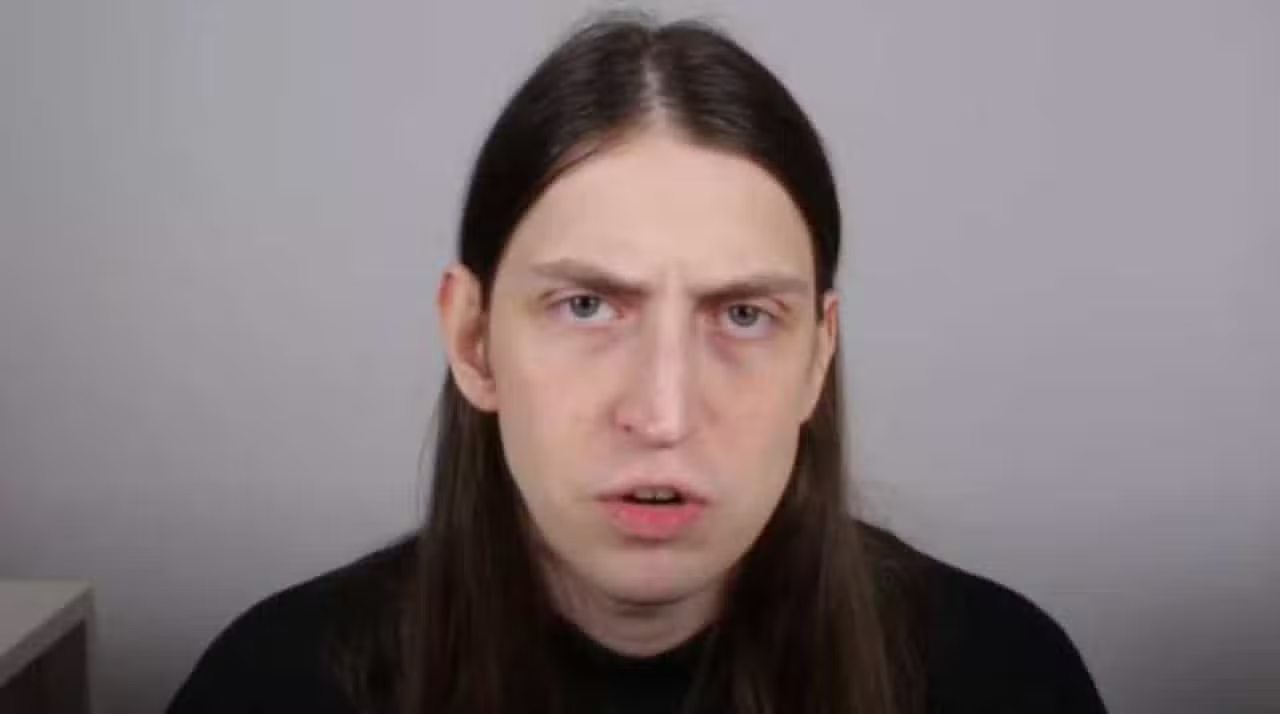
A video posted by Youtuber Felipe Bressanim Pereira, known as Felca, garnered over 22 million views in just a few days after being uploaded on August 6, 2025, on YouTube. Titled “Adultization,” the video denounces the exploitation of children and teenagers by digital influencers, spotlighting the case of Paraíba-based Hytalo Santos. Filmed in São Paulo, where Felca resides, the nearly 50-minute content details how minors are featured in videos with sensual undertones, attracting inappropriate audiences. The exposé sparked widespread attention, leading to the deactivation of Santos’ Instagram account and prompting action from authorities, such as the Paraíba Public Prosecutor’s Office. The video combines thorough investigation, expert testimonies, and practical demonstrations of social media algorithms, warning parents and guardians about the risks of online child exposure.
The strength of the content lies in Felca’s direct approach and courage in naming influencers and questionable practices. He highlights how the digital environment, combined with Brazil’s social inequalities, facilitates child exploitation for financial gain. The video also stirred controversy, with Felca facing defamation accusations, leading him to sue over 200 social media profiles.
- Key points addressed in the video:
- Exposure of minors in inappropriate content, such as sensual dances.
- Algorithms directing child-focused videos to adult audiences with harmful intentions.
- Specific cases, like Hytalo Santos and the teenager Kamylinha.
- Proposal for donations to NGOs to withdraw legal actions.
The immediate impact of the exposé underscores the issue’s relevance and Felca’s influence, with over 4.3 million YouTube subscribers and 6.5 million Instagram followers.
Social media impact of the exposé
Felca’s video quickly became one of the most discussed topics online, achieving massive reach within days. Posted on Thursday, August 6, the content surpassed 2 million views in 24 hours and reached 22 million shortly after, exceeding the number of subscribers to Felca’s channel. The detailed, nearly 50-minute video included clips from influencers’ videos, explanations of algorithm mechanics, and an interview with psychologist Ana Beatriz Chamat, a specialist in childhood and adolescence.
The exposé focused on cases like Hytalo Santos, a Paraíba influencer who, according to Felca, promotes the “adultization” of minors, such as the teenager Kamylinha, featured in his videos since age 12. The exposure of minors in settings with alcohol or suggestive intimacy was labeled by Felca as a “macabre circus.” Santos’ Instagram account deactivation post-video suggests a direct response to the exposé, though no official confirmation links the two events.
The online reaction was intense, with support from public figures like federal deputy Erika Hilton (PSOL-SP), who praised the initiative and announced legal actions against digital platforms. However, Felca’s investigation also sparked controversy, with accusations of pedophilia for following minors’ profiles during his research. He denied the claims, stating the action was investigative, and announced lawsuits against 233 profiles for defamation.
- Immediate reactions to the video:
- Deactivation of Hytalo Santos’ Instagram account.
- Support from public figures like deputy Erika Hilton.
- Lawsuits filed against 233 profiles for defamation.
- Mobilization of NGOs and authorities to investigate the cited cases.
Who is Felca and his online journey
Felipe Bressanim Pereira, known as Felca, is a 27-year-old comedian and Youtuber from Londrina, Paraná, currently based in São Paulo. He began his career in 2012 as a video game streamer but gained fame with “react” videos, commenting on products, services, or viral content with sarcastic humor. His YouTube channel, created in 2017, has over 4.3 million subscribers, while his Instagram boasts 6.5 million followers.
Among his notable content are a review of influencer Virgínia Fonseca’s makeup base, with 19.5 million views, and critiques of TikTok’s “NPC lives,” which earned him 1 million followers on the platform in just four days. Felca also stood out for opposing sports betting promotions by influencers, nearly leading to his participation in Brazil’s CPI on Betting.
- Key moments in Felca’s career:
- Video on Virgínia Fonseca’s makeup base, with 19.5 million views.
- Rapid TikTok growth with NPC lives in 2023.
- Public criticism of influencers involved in betting promotions.
- 2025 child exploitation exposé, with 22 million views.
Algorithms and the amplification of the issue
A core element of Felca’s video is the demonstration of how social media algorithms amplify inappropriate content. He created a new Instagram account to show how engaging with children’s videos leads algorithms to suggest similar content, often with sensual undertones, to adult audiences. This practice, he argues, facilitates access for sexual predators to exploitative material.
Felca also highlighted coded comments in videos, suggesting the availability of illicit content on platforms like Telegram. Psychologist Ana Beatriz Chamat, featured in the video, emphasized that exposing children in inappropriate contexts can cause severe psychological harm, such as identity loss and long-term trauma.
Brazil’s social inequalities and lack of regulation, according to Felca, create a fertile ground for online child exploitation. He noted that influencers profit from exposing minors, attracting audiences not solely seeking entertainment.
- Factors amplifying online child exploitation:
- Algorithms suggesting content based on user interactions.
- Lack of stringent oversight on digital platforms.
- Social inequalities driving the pursuit of quick financial gains.
- Use of coded comments for illicit content.
Legal actions and Felca’s proposals
During the video’s production, Felca faced pedophilia accusations for following minors’ profiles as part of his investigation. He refuted the claims, stating the purpose was investigative, and announced lawsuits against 233 profiles on the X platform for defamation. To avoid prolonged legal battles, he proposed a deal: accused individuals can donate R$250 to organizations combating child exploitation, like Childhood Brasil or Instituto Liberta, and post public apologies to have lawsuits dropped.
Felca also encouraged anonymous reports via Disque 100, a national service for reporting human rights violations. He provided an email (nffelca@gmail.com) for submitting donation receipts, reinforcing his commitment to the cause.
- Measures proposed by Felca:
- R$250 donations to NGOs to withdraw lawsuits.
- Use of Disque 100 for anonymous reports.
- Donation of lawsuit proceeds to charitable organizations.
Mobilization of authorities and NGOs
Felca’s exposé not only gained traction online but also mobilized authorities. The Paraíba Public Prosecutor’s Office (MPPB) had been investigating Hytalo Santos for child exploitation since 2024, but the video brought renewed attention. Two prosecutors, one from Bayeux and another from João Pessoa, are leading criminal inquiries into the influencer. Deputy Erika Hilton announced plans to involve the Federal Police in investigating the implicated digital platforms.
NGOs like Childhood Brasil, Instituto Liberta, and Aldeias Infantis SOS were referenced by Felca as donation recipients and allies in the cause. These organizations focus on preventing and combating child exploitation, offering support to victims and raising awareness.
- Actions by authorities and NGOs:
- MPPB investigation into Hytalo Santos since 2024.
- Erika Hilton’s action with the Federal Police.
- NGO efforts in protecting children and teenagers.
Cultural and social impact of the exposé
Felca’s video reignited the debate on child safety in social media. The exposure of minors in content blending entertainment with sensuality raises ethical questions about influencers and digital platforms. Psychologist Ana Beatriz Chamat noted in the video that “adultization” can lead to severe psychological issues, such as anxiety and distorted self-image.
Brazil’s societal challenges, marked by inequalities, add complexity to combating such exploitation. The pursuit of quick visibility and profit often places children in vulnerable situations, worsened by inadequate regulation.
- Challenges in combating online child exploitation:
- Lack of specific laws for digital child content.
- Economic pressures on vulnerable families.
- Difficulty monitoring platforms like Instagram and Telegram.
Felca’s exposé, with over 22 million views, marks a pivotal moment in the fight against online child exploitation, highlighting the role of ethical and engaged content creators.