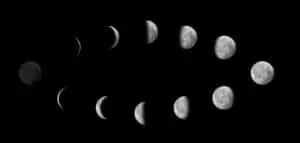
Moon phase today: all about the full moon on August 13, 2025
The full moon of August 13, 2025, illuminates the night sky, marking the peak of this month’s lunar cycle. Visible across Brazil and worldwide, the phenomenon occurs when the moon positions itself directly opposite the sun relative to Earth, displaying its fully lit face. Today, the full moon, which began on August 9 at 4:55 AM, continues to captivate observers and influence natural phenomena like high tides. This event, part of the roughly 29.5-day lunar cycle, is one of the most anticipated moments for amateur and professional astronomers. The August full moon, also known in some cultures as the “Sturgeon Moon” in the Northern Hemisphere, stands out for its beauty and environmental impact.
Observing the full moon this Wednesday promises to be a spectacle, especially in areas with clear skies. Cities like São Paulo, Rio de Janeiro, and Brasília offer prime viewing spots, such as lookouts and parks, for those eager to witness the event. Additionally, it’s a great opportunity for photographers to capture striking images, like the recent shot of an Airbus A320 flying over the full moon in London.
- Key features of the full moon: complete illumination of the lunar face.
- Best viewing time: after sunset, starting around 6 PM.
- Natural influence: high tides due to combined gravitational force.
- Viewing tip: choose locations with low light pollution.
August lunar cycle in detail
The August 2025 lunar cycle began on August 1 at 9:41 AM with the waxing crescent moon and follows a pattern of four main phases: new, crescent, full, and waning. Each phase lasts about 7.4 days, totaling the 29.5-day synodic month. The full moon, occurring today, is the cycle’s highlight, when the moon’s face is fully visible from Earth. This is followed by the waning gibbous moon on August 16 at 2:12 AM, the new moon on August 23 at 3:06 AM, and the waxing crescent again on August 31 at 3:25 AM.
No mesmo tema: Crescent moon shines in the sky this Thursday, marking August’s lunar cycle
The August full moon is notable for its visibility and its effect on the oceans. During this phase, the alignment of the moon, Earth, and sun intensifies gravitational forces, resulting in spring tides, which are higher than usual. Coastal regions, such as the shores of Rio de Janeiro and Santa Catarina, may notice significant changes in sea levels. The full moon also holds cultural significance, linked to celebrations and rituals in various traditions worldwide.
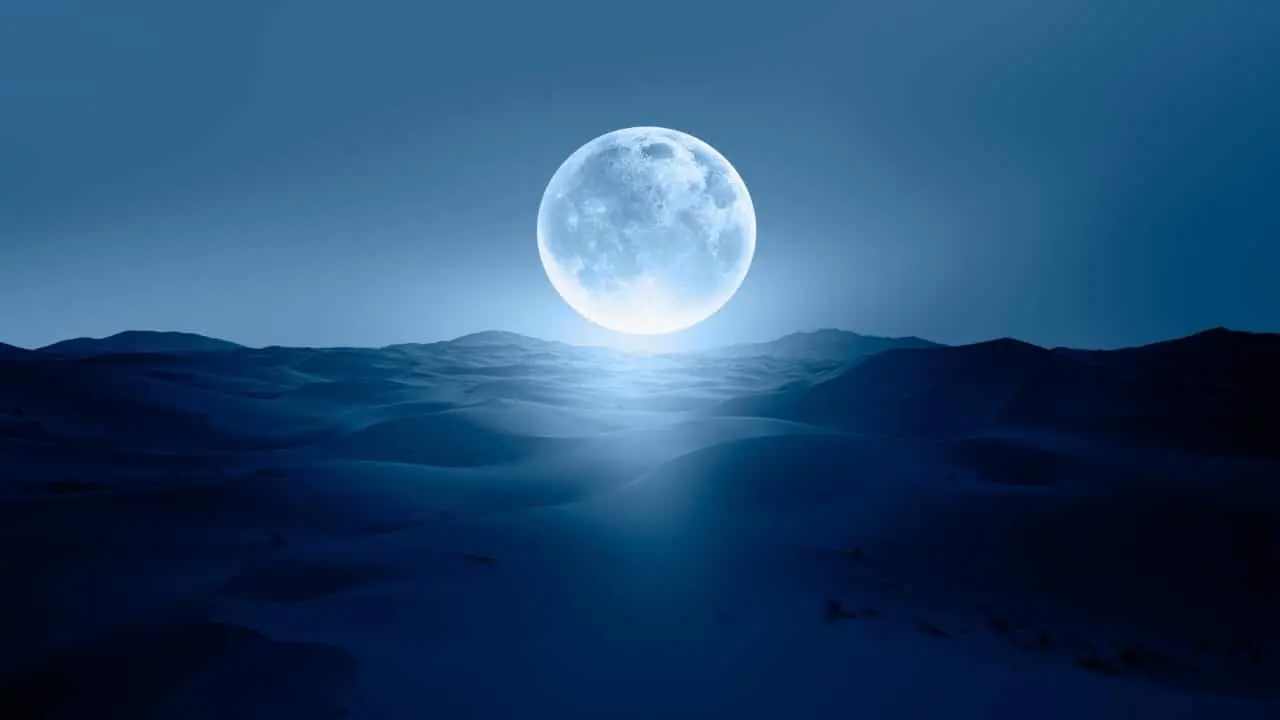
Impact of lunar phases on the environment
Lunar phases, particularly the full moon, play a critical role in natural phenomena. The moon’s gravitational force directly affects tides, with noticeable impacts on coastal ecosystems. During the full moon, high tides can alter beach and mangrove dynamics, affecting local flora and fauna.
- Spring tides: occur during full and new moons, with greater amplitude.
- Fishing effects: fish like sturgeon are more active in some regions.
- Navigation impact: extra caution needed in high-tide areas.
- Wildlife observation: sea turtles may adjust nesting patterns.
The relationship between the moon and tides has been studied for centuries. The combined gravitational pull of the moon and sun during the full moon creates ideal conditions for activities like deep-sea fishing but also requires caution in flood-prone areas.
Why the full moon fascinates
The full moon has always sparked curiosity and awe. Beyond its visual impact, it features in myths, legends, and cultural traditions. In Brazil, indigenous and riverside communities associate the full moon with harvest periods and celebrations. In other parts of the world, like North America, the August full moon is called the “Sturgeon Moon,” tied to the abundance of fish in rivers and lakes.
Mais sobre o assunto: Moon phase today (15): see influences and the August calendar
Veja Também
Cientistas desenvolvem técnica para desviar asteroides e proteger a Terra de impactos futuros
Preparação para impacto de asteroides: especialista da NASA destaca urgência da defesa planetária
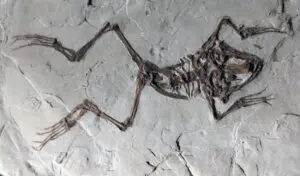
Descoberta revela anfíbio de 280 milhões de anos com dieta vegetal no Brasil
Science also takes an interest in the phenomenon. Astronomers use the full moon to study the lunar surface with greater clarity, while biologists analyze its impact on animal behavior. For instance, studies show that some marine species, like corals, synchronize reproduction with the full moon due to increased nighttime illumination.
- Cultural curiosities: the full moon inspires festivals in various cultures.
- Photography: ideal for captures with telescopes or professional cameras.
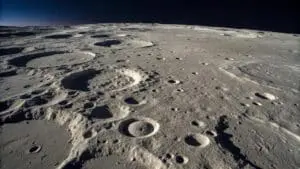
- Amateur astronomy: great for observing lunar craters.
How to observe the full moon today
To make the most of the August 13 full moon, seek out locations with minimal light pollution, such as rural areas or parks away from urban centers. In big cities, lookouts like Morro da Urca in Rio de Janeiro or Parque da Independência in São Paulo are good options. Simple binoculars or telescopes can enhance the experience, revealing details of the lunar surface, like craters and mountains.
Clear skies are essential for good viewing. Weather forecasts indicate favorable conditions across most of Brazil on the night of August 13, except in some northern areas where rain may interfere. Photographers, both amateur and professional, should adjust camera settings for long exposure to capture the moon’s intense brightness.
Influence of the full moon on culture and science
The full moon is not just an astronomical event; it also shapes traditions and scientific studies. In Brazil, the full moon is celebrated in popular festivals, like extended June festivities in some regions. It also influences agricultural practices, with farmers using the lunar calendar to plan planting and harvesting.
Cobertura completa: Ciência
In science, the full moon is a key moment for studies on animal and human behavior. Research suggests that nighttime illumination may affect sleep patterns in some people, though results are inconclusive. The full moon also serves as a reference for navigation and astronomy studies, aiding in instrument calibration and sky mapping.
- Brazilian traditions: full moon marks periods of popular celebrations.
- Lunar agriculture: certain crops follow the lunar cycle.
- Scientific studies: animal behavior influenced by lunar light.
- Navigation: sailors use the full moon as a natural reference.
Tips for enjoying the August full moon
The August 13 full moon offers a unique chance to connect with nature and science. Beyond direct observation, activities like outdoor meditation, night walks, and photography sessions can make the experience even more special. For urban dwellers, astronomy apps like Stellarium help identify the moon’s position and other celestial bodies.
- Use apps: tools like Stellarium or SkySafari are helpful.
- Ideal locations: beaches and lookouts offer prime views.
- Equipment: binoculars or telescopes enhance the experience.
- Photography: adjust cameras to capture the moon sharply.
The August full moon is an invitation to appreciate the beauty of the night sky and understand the satellite’s impact on our planet. Whether for casual viewing or in-depth study, the phenomenon continues to captivate and inspire.