Horse dies while riding in Bananal and owner cuts off legs, sparking outrage on social media; Ana Castela reported on Instagram


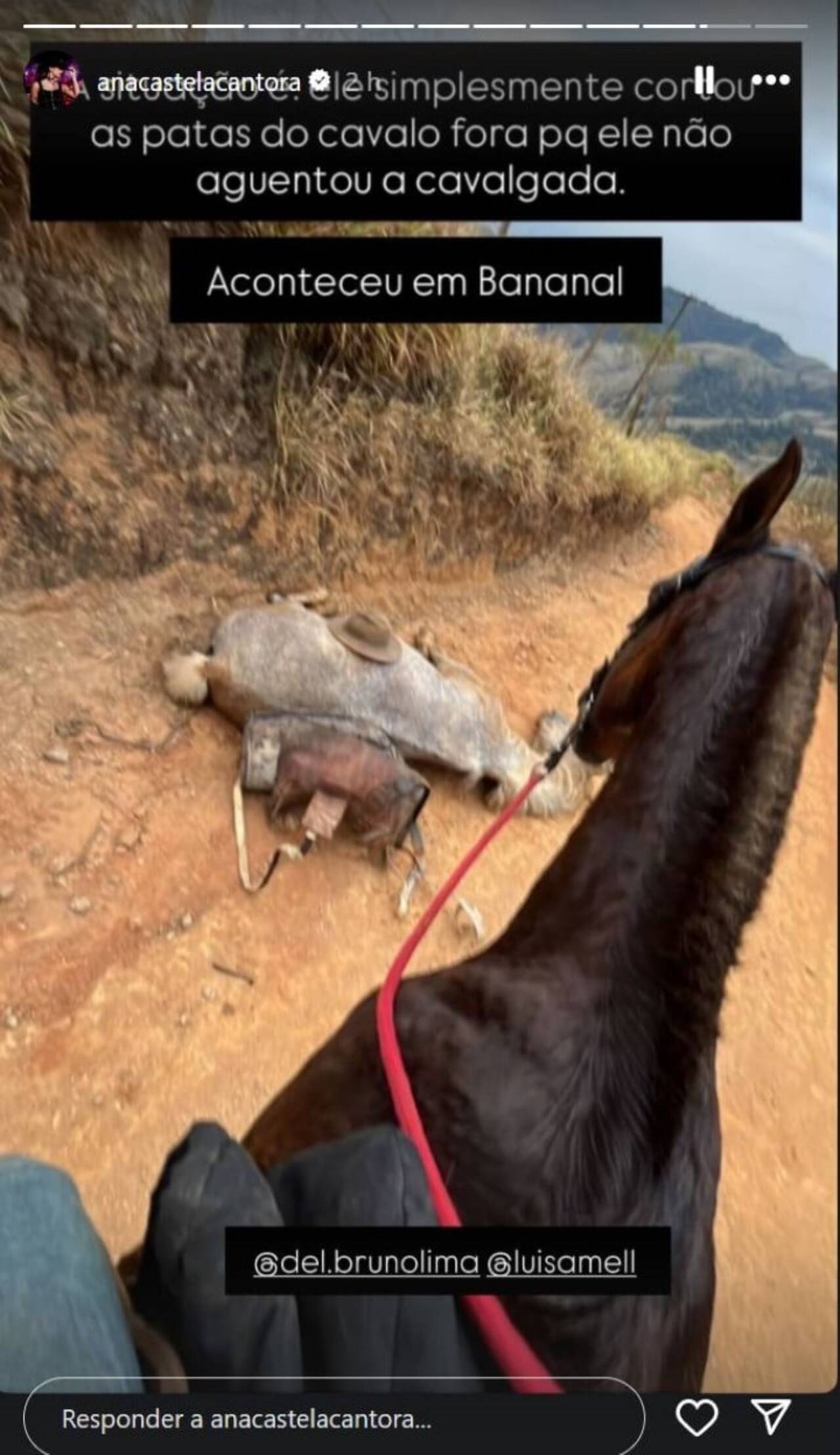
A white horse was found mutilated on a rural road in Bananal, São Paulo, after a cavalcade, in a case that shocked the region and sparked outrage on social media on the afternoon of August 18, 2025. The animal, which died during the event, had its four legs severed and abdomen pierced by machete blows, allegedly by its owner, who claimed desperation after the horse’s death. Singer Ana Castela used her social media to denounce the act, sharing images of the suffering animal and calling for justice. The incident, which occurred in Sertão do Hortelã near the border with Rio Claro (RJ), is under investigation by the Civil and Environmental Police. Bananal’s City Hall condemned the atrocity, and residents demand strict punishment. The cruelty, amplified by videos and photos, mobilized activists and authorities to investigate the facts.
The case gained attention after videos surfaced showing the suspect, apparently intoxicated, riding a horse similar to the mutilated one, holding a bottle of alcohol in one hand and a machete at his waist. The uproar reached national proportions, with the hashtag #JusticeForTheHorse trending. The suspect’s mother tried to justify the action, claiming the horse collapsed during the cavalcade and her son, in panic, cut off the legs to ease the body’s removal from the road. The explanation, however, failed to convince netizens, who labeled the act barbaric.
Reactions to the cruelty
The outrage on social media was immediate. Ana Castela, known for her love of horses, shared a video of the mutilated animal on her Facebook story, calling the perpetrator a “coward” and tagging activists like Luísa Mell and delegate Bruno Lima. “Help me make this scoundrel famous,” she wrote, rallying her followers to demand justice. Delegate Bruno Lima confirmed the suspect was identified and taken to Bananal’s police station for questioning.
- Online mobilization: Entertainment pages and animal protection profiles shared the case, amplifying its reach.
- Involved activists: Luísa Mell and other animal rights advocates called for severe punishment.
- Official statement: Bananal’s City Hall issued a note condemning the act and pledging support for the investigation.
The anger also came from local residents, who reported the emotional impact of the images. A video showed the horse abandoned near a ravine, with its severed legs beside the body, intensifying criticism of the cruelty.
Cavalcade context
The cavalcade, a traditional event in the region, had no specific date or time disclosed, but witnesses say the horse collapsed while climbing a steep stretch in Sertão do Hortelã. The owner, allegedly intoxicated, reportedly reacted violently upon realizing the animal didn’t survive the effort. The case highlights recurring issues in such events, like the lack of oversight on animal welfare.
Sertão do Hortelã, a rural area between Bananal and Rio Claro, is known for hosting cavalcades, but the absence of specific regulations for these events raises concerns. According to reports, the horse showed signs of exhaustion before collapsing, suggesting negligence by the owner. The Environmental Police is investigating whether other cases of mistreatment occurred during the same cavalcade.

Authorities’ response
Bananal’s mayor, William Landim (Republicanos), spoke on the Bom Dia Cidade program on the morning of August 18. He said he learned of the case through social media and contacted the Civil and Environmental Police to investigate. “I’m fully confident our police will investigate thoroughly,” he stated. The City Hall emphasized it lacks authority to punish directly but promised support to the authorities.
- Ongoing investigation: The Civil Police identified the suspect and collected witness statements.
- Legal framework: The case is treated as an environmental crime, with a penalty of two to five years in prison, plus a fine.
- Preventive actions: The Environmental Police is considering measures to prevent further cases in cavalcades.
- Public pressure: Social media mobilization pushes for swift investigation.
The Environmental Crimes Law (9.605/1998) classifies animal cruelty as a serious offense, and experts note the severity of the act could increase the punishment. The suspect, whose identity hasn’t been officially released, faces charges that may include animal cruelty and public disturbance.

Family’s justification
The suspect’s mother used a social media platform to try to explain her son’s actions. She claimed the horse, deeply cherished by him, fell ill during the cavalcade and died after collapsing. In shock, the young man allegedly returned to the site and severed the animal’s legs, supposedly to ease the body’s removal from the road. The justification, however, was widely criticized.
Bananal residents and activists questioned the logic of the explanation, arguing that mutilation has no plausible justification. “No one in their right mind cuts an animal’s legs out of desperation,” wrote a netizen in a local group. The suspect’s family also faces criticism for not seeking veterinary help or authorities before taking such a drastic measure.
Community impact
The case shook the small town of Bananal, known for its tranquility and rural traditions. Residents say the cruelty stunned even those accustomed to cavalcades and animal handling. The outrage spread to neighboring cities like Barra Mansa (RJ), where the case also gained attention.
- Regional impact: Local newspapers, like Folha do Aço, covered the case, broadening the debate.
- Shift in perception: Events like cavalcades now face criticism for neglecting animal welfare.
- Community engagement: Animal protection groups plan peaceful protests in the city.
The online mobilization also brought other cases of animal mistreatment in the region to light, such as exhausted horses in carts or abandoned on roads. Activists hope the Bananal case sets a precedent for stricter oversight.
Ana Castela’s role in the denunciation
Ana Castela, who has a strong bond with horses and lives on a farm in Londrina (PR), where she cares for her horse Blake, became a central voice in the denunciation. The singer used her influence to expose the case, sharing images of the mutilated animal and the suspect. “An animal’s life matters too,” she declared, urging entertainment pages to spread the word.
Castela’s engagement amplified the case’s visibility, reaching millions of followers. She tagged prominent activists like Luísa Mell, who has spoken out on similar cases, and delegate Bruno Lima, known for his animal rights advocacy. The singer’s actions were praised by netizens, who highlighted her courage in using her fame for a serious cause.
Debate on animal cruelty
The case reignites discussions about animal mistreatment in rural events. Experts note that horses used in cavalcades often suffer from overload, lack of hydration, and extreme physical exertion. The absence of veterinarians or clear regulations in many such events contributes to tragedies like Bananal’s.
- Basic care: Hydration and regular breaks can prevent horse collapses.
- Lax oversight: Many rural events lack veterinary supervision.
- Exemplary punishment: Activists advocate for harsher penalties for animal crimes.
- Education needed: Awareness campaigns are suggested to prevent future cases.
Animal protection organizations plan to push for legislative changes, including mandatory veterinary presence at cavalcades and bans on practices that endanger animals.
Next steps
Bananal authorities continue investigating, with witness statements and video analysis. The suspect, now identified, may face serious charges, depending on the investigation’s outcome. The Environmental Police is also considering inspecting other cavalcades in the region to ensure compliance with animal protection laws.
Online mobilization persists, with netizens demanding justice and sharing case updates. Ana Castela vowed to follow developments, keeping pressure for a swift resolution. The expectation is that the case will serve as a warning for the need for greater animal care in traditional events.