The cost of caring for former Formula 1 driver Michael Schumacher exceeds $600,000 per month
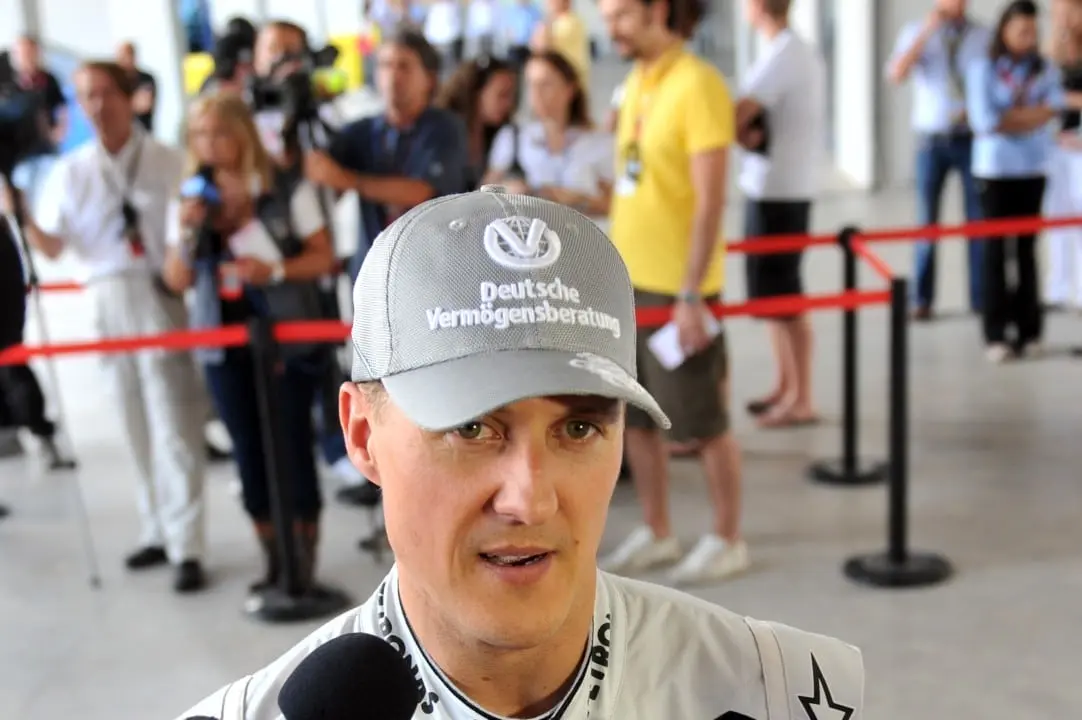
The family of Michael Schumacher, seven-time Formula 1 world champion, faces monthly costs exceeding $600,000 to maintain the ex-driver’s intensive treatment at their home in Gland, Switzerland, in September 2025. Since his severe skiing accident in December 2013, which resulted in a traumatic brain injury, Schumacher has lived in seclusion under constant medical care. His wife, Corinna, leads efforts to ensure the best treatments, involving a team of up to 15 professionals and innovative therapies. The expenses, which have surpassed $22 million since 2014, reflect the family’s dedication to preserving the health and privacy of the motorsport icon. The lack of official updates keeps the topic shrouded in mystery, while the family faces challenges like extortion attempts.
Schumacher’s care requires a complex structure adapted at his Swiss mansion. The residence has been transformed into an intensive care unit, equipped with cutting-edge medical technology and highly qualified professionals. Despite medical advancements, such as stem cell therapies, the ex-driver’s progress remains slow. The family maintains strict privacy, limiting access to a few trusted individuals.
- Weekly costs estimated at $150,000, according to international newspapers.
- Medical team includes doctors, physiotherapists, and specialized nurses.
- Sensory therapies, like engine sounds, are used to stimulate the brain.
- Gland residence was adapted with advanced hospital technology.

Medical structure and logistics of care
Schumacher’s home in Gland, Switzerland, has been adapted to function as a high-complexity medical center. Hospital-grade equipment, such as cardiac and respiratory monitors, ensures 24-hour care. The team, consisting of up to 15 professionals, includes neurologists, physiotherapists, and nurses working in shifts. Logistics involve private transport of medications and medical supplies, often by helicopter, to maintain privacy.
No mesmo tema: F1: Michael Schumacher “reappears” after more than a decade of absence
Monthly costs, around $640,000, cover team salaries, equipment maintenance, and experimental therapies. In 2019, Schumacher underwent stem cell treatment in Paris, raising hopes, but no results were disclosed. The family also uses sensory therapies, such as rides in a Mercedes sports car, to stimulate his memories.
- Team salaries account for the largest portion of expenses.
- Hospital equipment costs tens of thousands monthly.
- Experimental therapies, like stem cells, significantly increase costs.
Funding care and asset sales
To cover the treatment, which exceeds $7.6 million annually, Corinna Schumacher has sold valuable family assets. In 2024, eight of the ex-driver’s watches, including Ferrari-gifted pieces, were auctioned for nearly $4 million. Other assets, like a private jet and a chalet in the Alps, were also sold in recent years. Schumacher’s fortune, estimated at $640 million from his career, has been crucial to sustaining the care.
Selling assets reflects the family’s strategy to fund treatment while preserving privacy. Corinna, who manages the finances, faces additional pressures, such as extortion attempts. In 2025, three individuals were convicted for attempting to blackmail the family with private images, demanding $17.8 million. The family appealed the sentences, deeming them lenient.
Privacy as a family priority
The Schumacher family maintains strict secrecy about the ex-driver’s health, allowing access to only 20 trusted individuals, including doctors and close friends. This decision, led by Corinna, aims to protect Schumacher from public exposure and speculation. In 2021, the Netflix documentary “Schumacher” offered rare insights from Corinna and son Mick, highlighting the pilot’s presence in the family, but without medical details.
Mais sobre o assunto: Seven-time world champion Michael Schumacher: rumors and truths about the Formula 1 idol’s health in 2025
Veja Também
Russell larga na frente na sprint do GP da Holanda; Gabriel Bortoleto alcança nona posição
Antonelli lidera treino livre no GP da Holanda de F1; Gabriel Bortoleto encerra sessão em nono lugar
Fernando Alonso adia decisão sobre futuro na Fórmula 1 e mantém desejo de competir
The lack of official updates has fueled rumors, such as manipulated images and fake AI-generated interviews. In 2024, the family won a lawsuit against the German magazine Die Aktuelle, which published a fictitious interview, receiving $200,000 in compensation. These incidents reinforce the family’s commitment to shielding Schumacher.
- Only close friends, like Jean Todt, have regular access to the ex-driver.
- The family sues outlets that publish false information.
- Privacy protects Schumacher’s dignity and avoids media exploitation.
- The Netflix documentary was the only authorized source about his life.
Family moments and fan support
Despite the seclusion, family milestones marked 2024 and 2025. In October 2024, Schumacher attended his daughter Gina-Maria’s wedding in Mallorca, Spain, under strict privacy measures, including a cellphone ban. In March 2025, he reportedly traveled by helicopter to meet his granddaughter, Millie, Gina-Maria’s daughter. These discreet events rekindled fans’ emotions, who use the hashtag #KeepFighting on social media.
Fans celebrate Schumacher’s legacy with tributes at Formula 1 events, like a signed helmet displayed at the 2025 Bahrain GP. The family’s dedication, especially from Corinna and Mick, keeps hope alive for slow improvements.
Medical advancements and innovative therapies
Schumacher’s treatment includes innovative therapies, such as stem cell treatment started in 2019 and sensory stimulation with racecar engine sounds. Although he cannot speak, reports indicate he communicates via eye signals. The medical team, streamlined to trusted professionals, focuses on maintaining stability and stimulating the brain.
Saiba mais: Michael Schumacher’s health remains uncertain 12 years after 2013 ski accident
The lack of detailed updates reflects the complexity of recovery. In 2025, journalist Felix Gorner reported that Schumacher relies entirely on caregivers, but the family avoids sharing progress to curb speculation. The medical team and Gland’s infrastructure ensure top-tier care.
- Stem cell therapy was tested in 2019, with no confirmed results.
- Sports car rides stimulate the ex-driver’s memories.
- Eye signals are his primary form of communication.
- A reduced team ensures privacy and efficiency in care.
Schumacher’s legacy in motorsport
Michael Schumacher, with seven world titles, remains a Formula 1 icon. His record-breaking career with Ferrari and Benetton inspires drivers and fans. In 2025, tributes at races, like the Bahrain GP, highlight his influence. His son Mick, a Mercedes reserve driver, carries the family legacy, while Gina-Maria excels in equestrian sports.
Schumacher’s fight transcends sports, touching millions. The #KeepFighting hashtag reflects global support, while the family focuses on recovery and privacy. The high costs and legal challenges do not diminish Corinna’s dedication to preserving the champion’s dignity.