Powerball: how the American lottery works, how to play, draw times and prizes


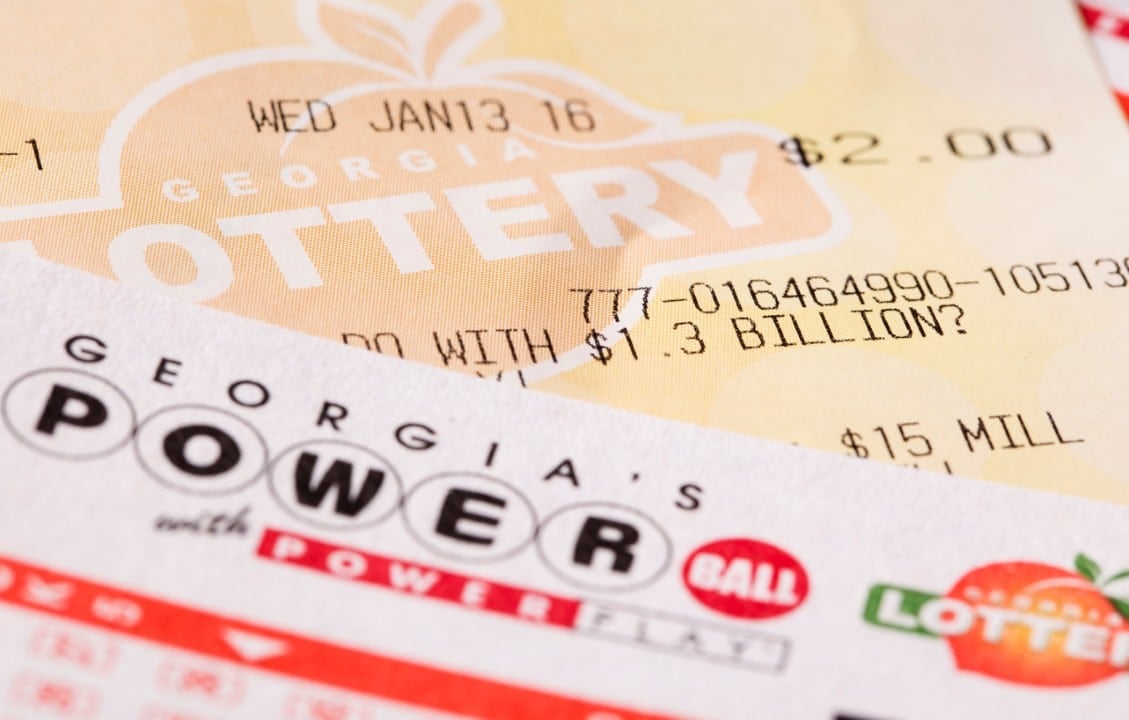
The American Powerball lottery, known worldwide for its prizes that often exceed billions of dollars, attracts the attention of players around the world, including a growing audience of non-residents. The game is played in 45 states in the United States, as well as the District of Columbia and the US Virgin Islands, and follows a format that combines the choice of five main numbers and an additional number, the Powerball. The rules allow the participation of foreigners who use licensed online platforms to purchase official tickets, bypassing the need to be physically in the country to place the bet.
The coveted jackpot, the main prize, has extremely low chances of a total hit, estimated at 1 in 292,201,338. The minimum guaranteed jackpot amount once won is $20 million, but due to high demand and popularity, it is often adjusted to $40 million.
Powerball mechanism: white balls and red Powerball
The mechanics of the Powerball game are defined by the selection of five numbers between 1 and 69, corresponding to the white balls, and an additional number that must be chosen from the spectrum of 1 to 26, the Powerball, which is the red ball. Getting the complete combination, known as 5+1, guarantees the main prize.
The secondary prize system is robust and offers eight additional winning categories, which range from small fixed amounts to substantial amounts like US$1 million.
- The draw requires the player to match the combination of five main numbers plus the extra number to win the prize.maximum emium.
- The modality is one of the largest in the world, being responsible for recording historic jackpots that surpassed the US$2 billion mark, such as the one in November 2022.

Power Play: the secondary prize multiplier
An optional feature called Power Play can be activated at the time of ticket purchase for an extra fee. This multiplier, drawn at random (2X, 3X, 4X, 5X or 10X), is designed to enhance the prizes in the secondary categories.
The addition of Power Play, although it does not multiply the jackpot, guarantees that the second prize, paid to those who match the five main numbers without the Powerball, is automatically doubled from US$1 million to US$2 million, regardless of the multiplier drawn. The 10X multiplier is restricted, being entered into the draw only when the accumulated main prize is below US$150 million.
Weekly draw schedule and prize bands
Powerball drawings are held regularly on alternating days, being conducted on Mondays, Wednesdays and Saturdays, always at 10:59 pm Eastern Time (ET). This high frequency of draws is a key factor in the rapid accumulation ofs grandes prêmios.
A loteria garante nove faixas distintas de premiação, oferecendo diferentes níveis de recompensas:
- 5 + Powerball (Jackpot)
- 5 (US$ 1 milhão)
- 4 + Powerball (US$ 50 mil)
- 4 (US$ 100)
- 3 + Powerball (US$ 100)
- 3 (US$ 7)
- 2 + Powerball (US$ 7)
- 1 + Powerball (US$ 4)
- 0 + Powerball (US$ 4)
Procedimentos de resgate e a tributação para estrangeiros
Para não-residentes, o resgate de prêmios é feito por intermédio das plataformas online licenciadas. O procedimento varia conforme o montante do ganho. Prêmios menores, geralmente até US$ 600, costumam ser creditados na conta do jogador na plataforma online intermediária.
No caso de prêmios maiores, o vencedor deve, em muitos casos, viajar aos Estados Unidos para retirar o bilhete original e resgatar o valor pessoalmente. É crucial notar que todos os prêmios, mesmo para estrangeiros, estão sujeitos à legislação de loteria americana e ao sistema tributário.
Retenção de impostos e opções de pagamento do prêmio principal
A legislação fiscal americana impõe a retenção de impostos federais e estaduais sobre lottery prizes, which significantly reduces the final net amount to be received by the winner. For non-residents, the federal tax rate at source is 30% for larger prizes, in addition to possible state taxes, which vary depending on where the ticket was purchased.
The winner of the jackpot has the choice between receiving the total amount announced in annual payments distributed over 30 years (annuities) or opting for a single amount, which is reduced compared to the total disclosed. This decision is a crucial step after the settlement, directly impacting the final net amount.