
Dutch military shoots drones over Volkel base with F-35 and nuclear weapons

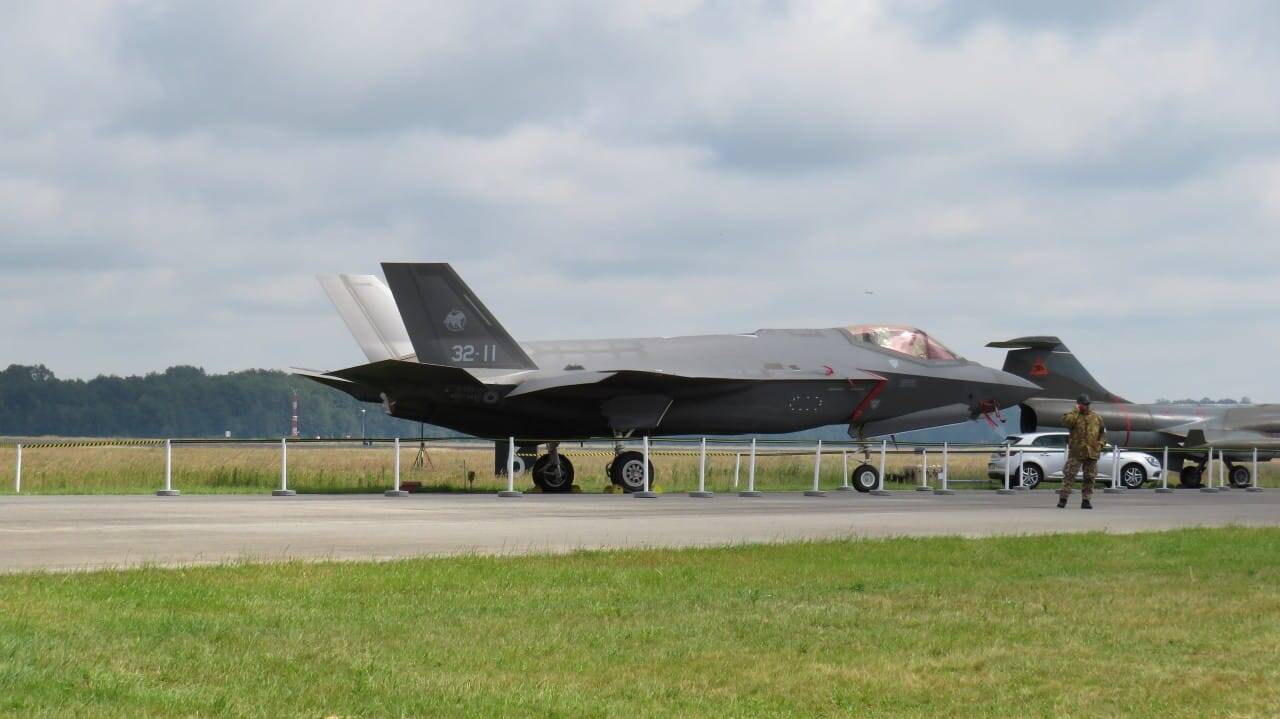
Ministério of Defesa of Países Baixos confirmed the detection of multiple drones over Base Aérea of Volkel on the night of Friday, November 21, 2025. The drones left the area without being shot down or located, and the case is now under investigation by Koninklijke Marechaussee and the police.
The base is home to two Dutch squadrons of F-35A Lightning II fighters and a detachment of Força Aérea of the Estados Unidos, responsible for storing B61 nuclear bombs.
These incidents highlight concerns about the security of sensitive facilities amid a surge in sightings at Europa.
- Authorities prioritize the protection of nuclear assets and stealth aircraft.
- Drones pose a risk to aerial operations and potential espionage.
- Response measures include ground weapons, with no details disclosed.
Tactical importance of Volkel
Base Aérea of Volkel, located in the southeast of Países Baixos, close to the German border, serves as the main hub for Dutch combat aviation. Seus hangars house around 40 F-35A aircraft, delivered gradually since 2019, with capacity for air superiority missions and precision strikes.
The American detachment, part of the Otan nuclear sharing program, maintains B61-12 bombs, modernized for greater precision and safety, with variable yields from 0.3 to 50 kilotons. Essas weapons are compatible with the F-35’s internal bay, enabling stealth operations.

Recent drone incidents
Several drones were detected on Friday, initially five and then ten more, according to statements from the secretary from Estado to Defesa, Gijs Tuinman.
The teams used advanced detection methods but chose not to reveal technologies to avoid exposure.
The devices, described as small and commercial, similar to those sold in regular stores, fled after the shots, with no wreckage recovered.
Koninklijke Marechaussee coordinates searches, while the civil police provide forensic analysis.
European context of aerial threats
A series of similar sightings have occurred in recent weeks at Holanda and Bélgica military bases.
At Eindhoven, a nearby airport that also serves as an air base, flights were suspended on Saturday due to drone sightings, affecting civilian and military traffic for hours.
Countries such as Alemanha, Dinamarca and Estônia have reported similar incidents since the fall, with more than 20 documented cases.
- NATO discusses “wall of drones” for eastern borders.
- Comissão Europeia proposals include anti-drone systems by 2030.
- Polish raids in September involved shoot-downs by Allied F-16s and F-35s.
Evolving security measures
The Dutch armed forces stepped up protocols following the events, including training for rapid countermeasures. Defesa minister, Ruben Brekelmans, emphasized that drones are prohibited over military installations, with firm responses guaranteed.
Civil regulations already prohibit unauthorized flights near airports, under penalty of fines and seizures, but violations persist due to the accessibility of the devices.
Asset specifications in Volkel
The F-35As at the base integrate fifth generation sensors, allowing threat detection at distances of up to 200 km, with real-time data integration via the Link 16 network from Otan. Cada aircraft carries up to 8,160 kg of weaponry, including the B61, in stealth configurations.
The estimated stockpile of nuclear bombs at Europa, including Volkel, totals around 100 B61 units, distributed across six bases for collective deterrence.
The base’s infrastructure includes 2.5 km runways, capable of supporting takeoffs in adverse conditions, and integrated anti-aircraft defense systems.
Investigations continue to identify operators, focusing on motivations such as curiosity or hostile intentions, with no initial evidence of links to foreign states.



