
What is the moon phase today? Check out the complete lunar calendar for November and main dates


On November 23, 2025, Lua enters phase Nova, with only 7% of its surface visible from Terra. Esse alignment occurs when the natural satellite is positioned between the Sol and the planet, making it invisible in the night sky. The transition takes place three days after the exact Lua Nova, recorded on November 20 at 3:47 am, Brasília time.
Astronomers confirm that the lunar cycle, with an average duration of 29.5 days, influences ocean tides due to gravity. No Brasil, coastal regions such as Nordeste and Sudeste record variations in water during this period. The current phase marks the restart of the synodic month, setting the stage for future observations.
The Instituto Nacional of Meteorologia monitors these events for environmental predictions. The invisibility of the Lua favors the vision of stars and constellations. Entusiastas of astronomy recommend apps for tracking daily progress.
- Low visibility: Ideal for deep sky photography without lunar interference.
- Spring tides: Atração combined with Sol raise water levels by up to 20% in some areas.
- Phase duration: Estende up until Quarto Crescente on November 28th.
Understanding the current lunar cycle
The orbital motion of Lua completes one rotation around Terra every 27.3 days, but the visible cycle takes 29.5 days due to Earth’s rotation. In November 2025, the month begins with Lua Cheia on November 5, a supermoon that brings the satellite closer to 14% of the average distance.
This proximity increases brightness by 30%, facilitating observations in cities such as São Paulo and Rio from Janeiro. A supermoon occurs when the phase coincides with perigee, the closest point in the elliptical orbit.
Data from Observatório Nacional indicate that such events are repeated three times a year, including October and December. Phase Nova on November 23rd follows Quarto Minguante on November 12th, completing the monthly sequence.
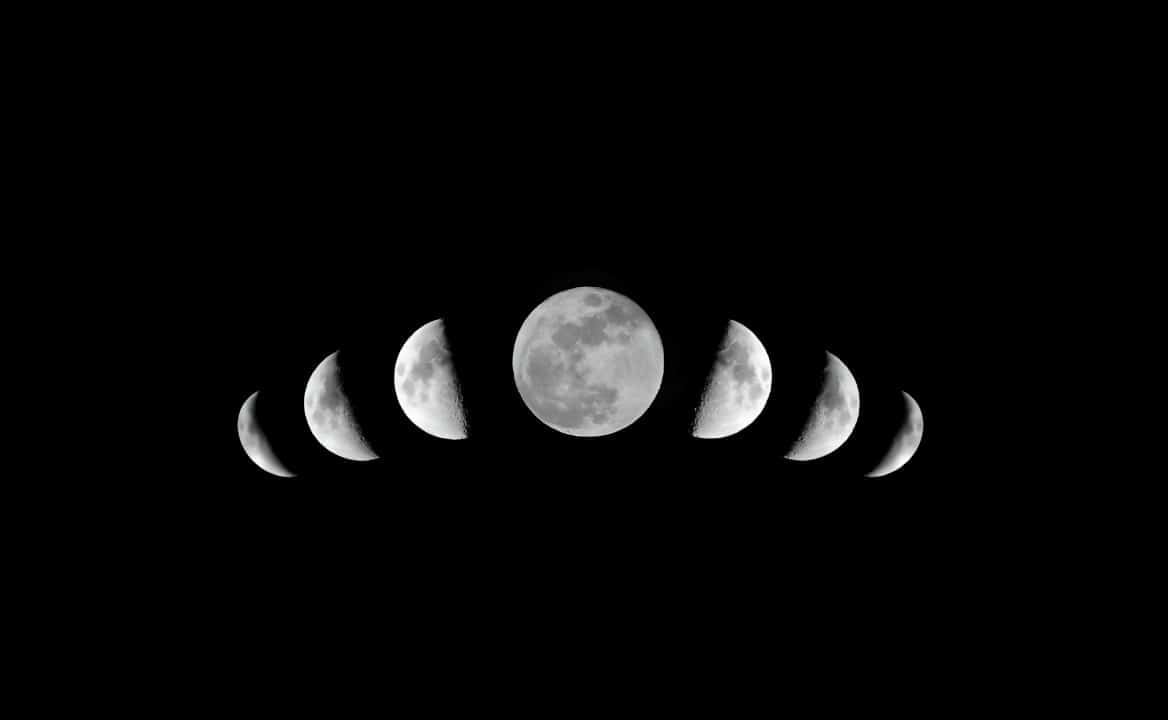
Main dates of the lunar calendar
The Lua Cheia of November 5th at 10:19 am marks the peak luminosity of the month. Pescadores and navigators adjust routes based on this date, as high tides reach maximums in Brazilian ports.
Then Quarto Minguante appears on November 12 at 2:28 am, reducing the illuminated portion by half. Essa transition affects the reproduction of marine species, such as corals on the coast of Bahia.
The Lua Nova on November 20 restarts the cycle at 3:47 am, aligning the stars for intense tides. Regiões and Amazonas observe seasonal flooding amplified by this phenomenon.
Finally, Quarto Crescente on November 28th at 3:58 am begins the crescent, with 50% visibility. Astrônomos predict clear conditions for telescopes at Minas Gerais observatories.
Gravitational influences on tides
Lunar gravity pulls on the oceans, creating two daily highs and two daily lows. Durante to phase Nova of November 23, the combination with Sol generates spring tides, raising levels by up to 2 meters in Fernando from
Studies of Marinha and Brasil record variations of 1.5 meters in Santos during these periods. Essa force affects not only salt waters but also connected rivers, such as the Tietê in São Paulo.
The opposite phase, like Cheia on November 5, repeats the effect, with nighttime peaks. Pescarias commercials increase 15% on these dates, according to IBAMA reports.
Animals like sea turtles use the darkness of the Nova for spawning, synchronizing with the cycle. Corais release gametes at subsequent low tides, ensuring annual reproduction.
November supermoon and observations
The supermoon on November 5 brings Lua closer to 356,000 kilometers from Terra. Esse event, visible throughout the national territory, lasts about three days with high brightness.
Astronomy clubs in Belo Horizonte organize free vigils. The apparent magnitude reaches -12.9, exceeding Vênus in the sky.
Compared to ordinary moons, the supermoon expands the disk by 14%, changing photographic perspectives. Aplicativos like Stellarium simulate the phenomenon for users.
In the context of 2025, this is the second supermoon, after October, preparing for December. Registros histories show that such alignments occur every 14 months on average.
Featured annual phases for 2025
The year 2025 includes four eclipses, with the total lunar eclipse on March 14 visible in Brasil. Lua acquires a reddish tone due to atmospheric refraction, lasting 1 hour and 20 minutes.
In September, a partial solar eclipse occurs on the 21st, although not visible here. Esses events temporarily interrupt lunar cycles, affecting global tides.
Supermoons in March, April and May coincide with new moons, expanding influences. The full calendar lists 12 full phases, distributed monthly.
Meteor showers, like Leónidas in November, benefit from Lua Nova for maximum visibility. Até 100 meteors per hour cross the sky in peaks on November 17th.
Preparation for night observations
Basic equipment includes 10×50 binoculars for crater details. Locais with low light pollution, like the interior of Goiás, offer ideal views.
Phase Nova on November 23 allows you to track artificial satellites without distractions. Apps from INMET provide cloud alerts for clear nights.
Farmers use the calendar for planting, aligning with growing crops for germination. Tradições indigenous people in Norte associate phases with seasonal rituals.
Digital records grow 20% during supermoons, according to citizen science platforms.
Complete lunar calendar for November 2025
The synodic month begins with Cheia on 11/5 at 10:19 am, supermoon at Touro. Segue o Minguante on 11/12 at 2:28 am, with decreasing lit half.
Nova arrives on 11/20 at 3:47 am, invisible and aligned. Crescente closes on 11/28 at 3:58 am, starting growth for December.
- 5/11: Cheia – Marés high, maximum brightness.
- 12/11: Quarto Minguante – Transição for decline.
- 11/20: Nova – Reinício of the cycle, night darkness.
- 11/28: Quarto Crescente – Metade visible crescent.
These dates guide environmental and tourist planning.
Scientific aspects of the synodic month
The synodic month measures 29 days, 12 hours and 44 minutes, varying by year. In 2025, November aligns with the autumnal equinox at Hemisfério Sul, influencing seasons.
The elliptical orbit causes variations of 363 to 405 thousand kilometers. Perigeu on November 5 explains the supermoon.
NASA research confirms that Lua stabilizes the Earth’s axis, maintaining moderate climates. Sem her, days would last 6 hours.
Marine biodiversity synchronizes 70% of reproductive cycles with phases, according to USP studies.



